


ISLAMABAD: Pakistan will reduce or eliminate tariffs on imports used by the logistics, construction and pharmaceutical sectors under its National Tariff Policy 2025-30, as the government seeks to boost exports and transition from economic stabilization to growth, the Prime Minister’s Office said on Thursday.
The measures include abolishing duties on reefer containers and semi-trailers to support logistics services, reducing customs duties on specialized vehicles and machinery used in construction, and eliminating customs duties on raw materials used in pharmaceuticals, particularly those required for cancer medicines.
The National Tariff Policy 2025-30 is a five-year framework introduced by the Ministry of Commerce last year to simplify Pakistan’s tariff structure, reduce import duties on industrial inputs and improve export competitiveness.
The policy forms part of broader economic reforms aimed at encouraging investment, lowering production costs and integrating Pakistan more deeply into global value chains.
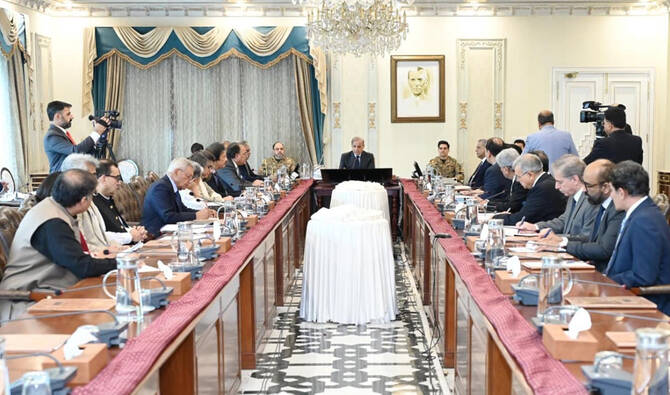
“Achieving export-led growth targets is our top priority,” Sharif said, according to a statement issued by his office after he chaired a meeting to review the implementation of the tariff policy.
“The National Tariff Commission’s efficient and transparent functioning is indispensable for the promotion of industry, trade and investment in the country,” he said, adding it should play an active role in facilitating investors and industrialists.
The commission is the country’s principal trade-remedy body, responsible for tariff-related investigations and measures, including anti-dumping, countervailing and safeguard actions, as well as supporting implementation of the government’s tariff policies.
Pakistan has spent the past two years pursuing economic stabilization under an International Monetary Fund-supported reform program after narrowly avoiding a sovereign debt default in 2023.
With inflation easing and foreign exchange reserves recovering, policymakers have increasingly shifted their focus toward reviving industrial activity, attracting investment and increasing exports.


