

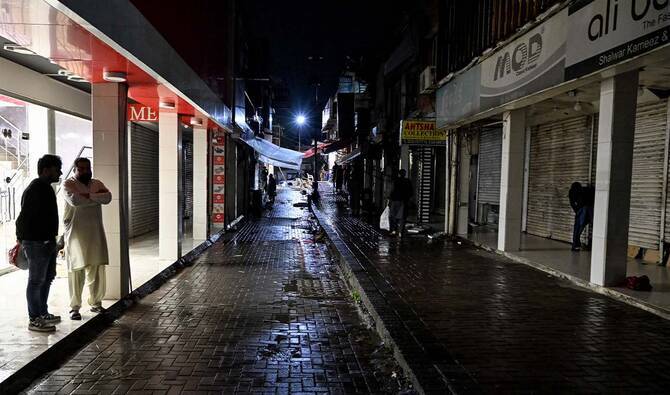

ISLAMABAD: Pakistan on Tuesday relaxed market closing times imposed under an energy-conservation plan introduced due to the Iran conflict leading to major oil price hikes, allowing shops and shopping malls to remain open an extra hour as summer temperatures rise and daylight hours lengthen.
The revised timings, approved by a government committee chaired by Deputy Prime Minister and Foreign Minister Ishaq Dar, permit shops, markets, malls and general retailers to operate until 9 p.m., while restaurants, cafés and eateries can remain open until 11 p.m.
Marriage halls and event venues will continue to close at 10 p.m.
Pakistan introduced mandatory early market closures in April as part of a broader austerity and energy-saving drive after the outbreak of the United States-Iran conflict raised concerns about fuel prices and the country's energy import bill. The measures, which drew criticism from traders, required most markets to close by 8 p.m., though the government temporarily eased restrictions ahead of Eid Al-Adha.
"The Committee reviewed ongoing austerity measures in the context of market closing hours and in view of extended daylight and higher summer temperatures, decided to extend the closing hours," said an official statement circulated after the meeting.
Under the revised schedule, pharmacies, hospitals, fuel stations and information technology and telecommunications-related services will remain exempt from the restrictions.
The government said provincial administrations had been directed to ensure implementation of the revised guidelines in coordination with federal authorities.
The government did not indicate whether the revised timings would remain in place permanently or be reviewed again in the coming months.


