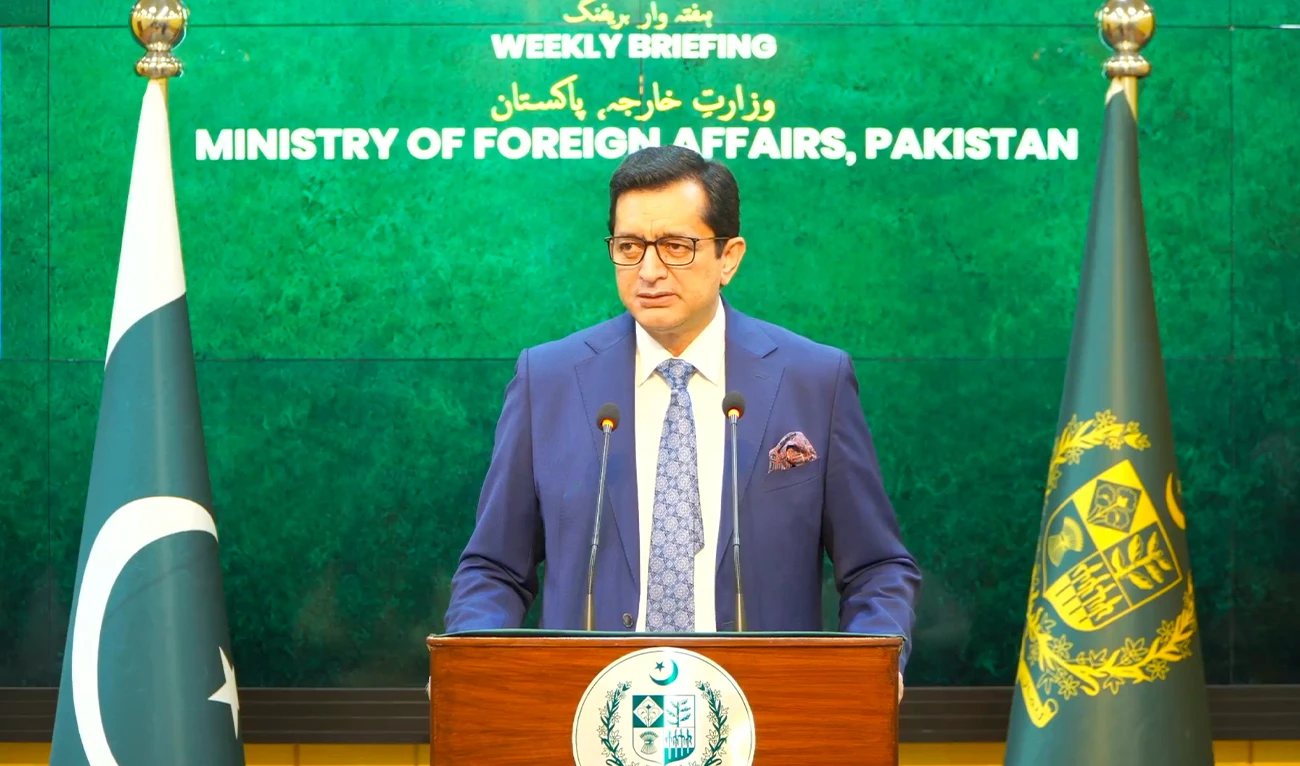
- The Pakistan PM arrived in China on Saturday aiming to deepen economic and technological cooperation between the two countries
- Pakistan eyes $10 billion increase in agri-products trade with China in next 5-7 years, Sharif tells an investment summit in Hangzhou
ISLAMABAD: Prime Minister Shehbaz Sharif on Sunday invited Chinese companies to expand investment in Pakistan’s renewable energy and electric vehicle sectors, his office said, following the prime minister’s meetings with leading corporate executives in Hangzhou.
The meetings, which came during Sharif’s official visit to China that began on Saturday, focused on renewable energy, energy storage and solar-linked solutions, electric vehicle charging infrastructure and smart mobility systems, and pharmaceutical manufacturing.
Sharif and representatives of leading Chinese firms discussed the potential of increasing investment, establishment of manufacturing facilities and expansion of the existing facilities in Pakistan in detail, according to the prime minister’s office.
“The Prime Minister highlighted the policies of the government for ease of doing business in Pakistan and also shed light on the investment centric steps taken by the government,” Sharif’s office said.
“He emphasized the importance of Business-to-Business cooperation between Pakistani and Chinese companies to further strengthen the existing fraternal ties between Pakistan and China.”
China is a major ally and investor in Pakistan and has pledged over $65 billion in investment in road, infrastructure and development projects, besides several Chinese private sector manufacturers undertaking joint ventures in the South Asian country.
Pakistan, currently bolstered by a $7 billion International Monetary Fund (IMF) program, offers investors attractive incentives, a strategic geographic location connecting South Asia, Central Asia and the Middle East, and a large consumer market of over 240 million people.
Sharif’s visit is aimed at deepening economic and technological cooperation between the two countries and takes place as Pakistan and China celebrate 75 years of their diplomatic relations.
Speaking at the Pakistan-China B2B Investment Conference in Hangzhou earlier, Sharif said his country hoped to increase its trade of agri-products with China by $10 billion in the next five to seven years.
“And this is not a big task, it can be done. It is possible. But we need your support,” he said, adding that Islamabad had sent 1,000 Pakistani agricultural graduates to China last year for higher education and training in agriculture and food security areas.
He called for both countries to speed up cooperation in other sectors, noting that 30 percent of Pakistan and China’s bilateral memorandums of understanding had been converted into agreements.