- Reuse of all syringe sizes banned after outbreaks linked to unsafe injections
- Health minister says some 20,000 registered HIV patients unaccounted for
ISLAMABAD: Pakistan is rolling out a series of measures to curb the spread of human immunodeficiency virus HIV, including a nationwide ban on the reuse of all types of syringes and the screening of deportees at entry points, Health Minister
Mustafa Kamal said on Tuesday, following reports that have raised concern about the disease’s spread in parts of the country.
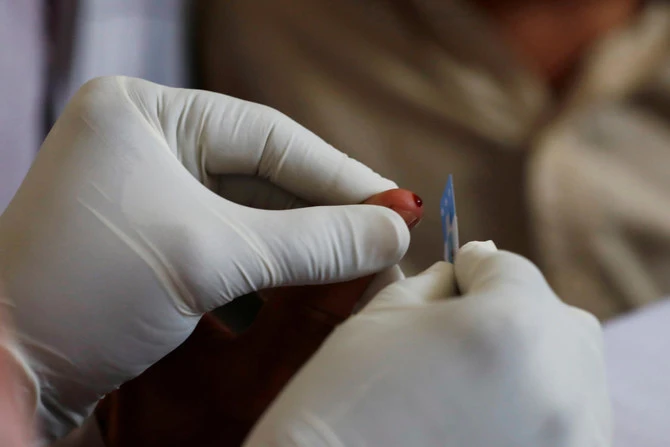
The reuse of syringes remains a critical driver of HIV transmission in Pakistan, with a recent BBC report revealing that as many as 331 children tested positive for the disease in Taunsa, a city in southern Punjab, between November 2024 and October 2025 due to reused syringes.
The report pointed to systemic malpractice at the Tehsil Headquarters (THQ) Hospital Taunsa, where medical staff were filmed reusing syringe bodies and drawing medication from contaminated multi-dose vials.
The minister said Pakistan had banned the reuse of 2.5cc and 3cc syringes in 2021, but 10cc syringes continued to be reused in some areas as they were not covered under the ban.
“After recent reports that the virus spread in Karachi through 10cc syringes, the prime minister has directed a ban on the reuse of all sizes of syringes across Pakistan,” Kamal told the National Assembly’s Standing Committee on Health.
He added deported Pakistanis could also pose a risk in the spread of HIV, particularly if infections go undiagnosed or undisclosed.
“Sometimes foreign countries deport Pakistanis because they have HIV infection, but this reason is not disclosed,” he said. “These infected individuals can then contribute to further spread of the disease in the country.”
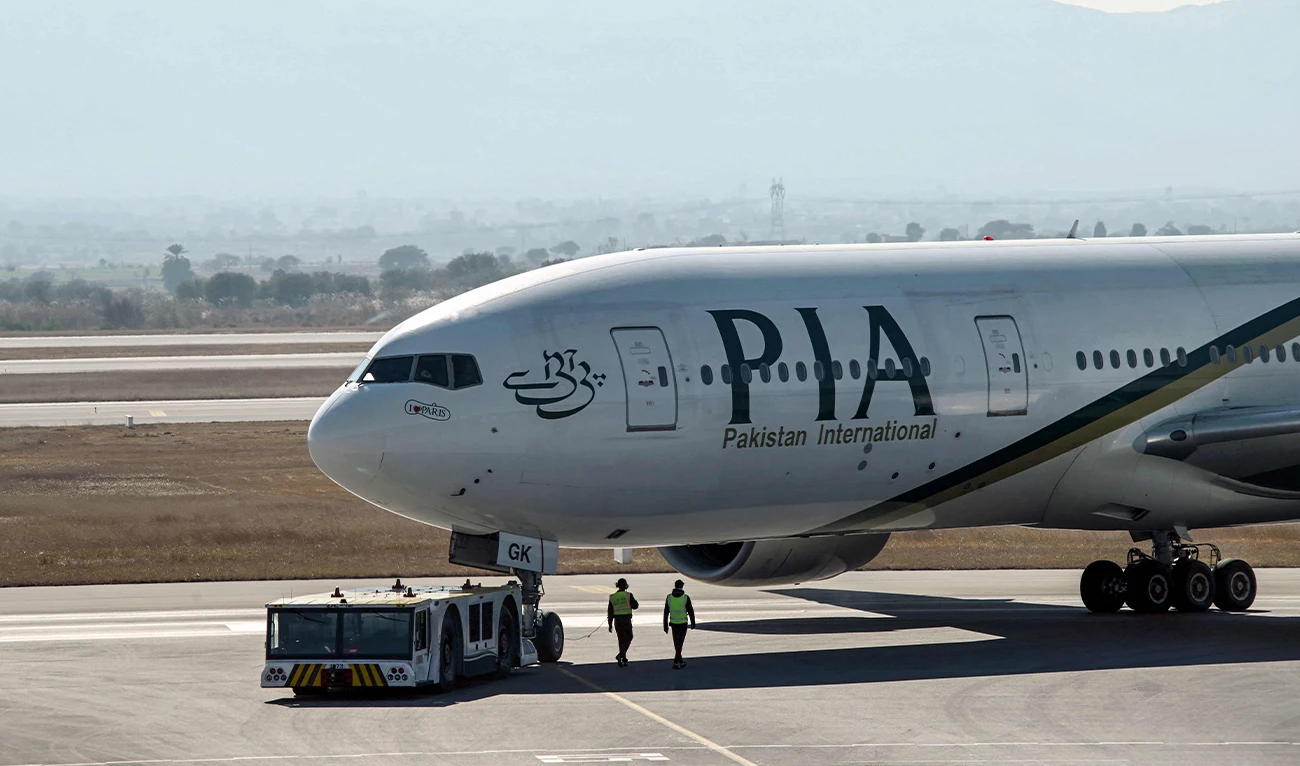
“That’s why the government has decided to screen all those deported for any reason at the country’s borders and airports,” he added.
Pakistan’s HIV epidemic remains relatively small in absolute numbers compared with global hotspots, but it is among the fastest growing in Asia.
UNAIDS, the Joint United Nations Programme on HIV/AIDS, has repeatedly warned that Pakistan is one of the few countries where new HIV infections continue to rise, largely due to low testing rates and infections concentrated among marginalized communities.
Providing updated figures, the minister said that this year 14,182 people tested positive for HIV out of 374,126 screened at 97 centers.
“In 2020, the positivity ratio was much higher, with 8,416 people testing positive out of 49,906 screened at ART centers,” he said, referring to antiretroviral therapy centers, which provide testing, treatment and long-term care for people living with HIV.
However, he expressed concern that out of 84,400 registered HIV patients in Pakistan, only about 61,000 are currently receiving treatment at ART centers, while around 20,000 remain unaccounted for.
“These missing patients have either died or are not reporting to treatment centers, which is a matter of concern,” he said.
LIMITED FUNDING
Kamal said limited funding remained a major challenge in the country’s fight against the disease.
According to the minister, Pakistan receives only 6.5 percent — or nearly $3.9 million — of Global Fund financing for HIV directly, while the remaining $61.1 million is channeled through the United Nations Development Programme (UNDP) and NGOs such as Nai Zindagi.
“The NGOs and other recipients of this financing do not share data with the government,” he added. “So, we are financially constrained, but the government is working to allocate its own funds to fight HIV and AIDS.”
The Global Fund to Fight AIDS, Tuberculosis and Malaria is an international financing and partnership organization established in 2002 to help end the world’s three deadliest infectious disease epidemics.
Kamal said Pakistan had been placed under the Global Fund’s Additional Safeguard Policy (ASP) a few years ago following complaints of irregularities in the use of funds.
Sharing details, he said medicated mosquito nets worth around $10 million provided by the fund went missing in Pakistan a few years ago.
“The government has registered an FIR in this case and will compensate for the loss,” he added.
The minister said the government was expanding HIV testing and treatment facilities across the country. He noted Pakistan had only 49 ART centers in 2020, adding this number had now increased to 97, with plans to raise it to 166.