- Jadoon says changes risk civilian protection amid worsening security situation
- UN renews mission to 2027 with Russia and China abstaining on resolution
ISLAMABAD: Pakistan voted in favor of renewing the United Nations peacekeeping mission in South Sudan (UNMISS) on Thursday but warned that proposed troop reductions could undermine civilian protection and stability in the conflict-hit country.
The United Nations Security Council adopted a resolution extending the mission until Apr. 30, 2027, while lowering the authorized troop ceiling to 12,500 from 17,000, despite objections from several member states including Pakistan, China and African countries.
The move comes amid renewed fighting in recent weeks between forces loyal to President Salva Kiir and opposition groups aligned with Riek Machar.
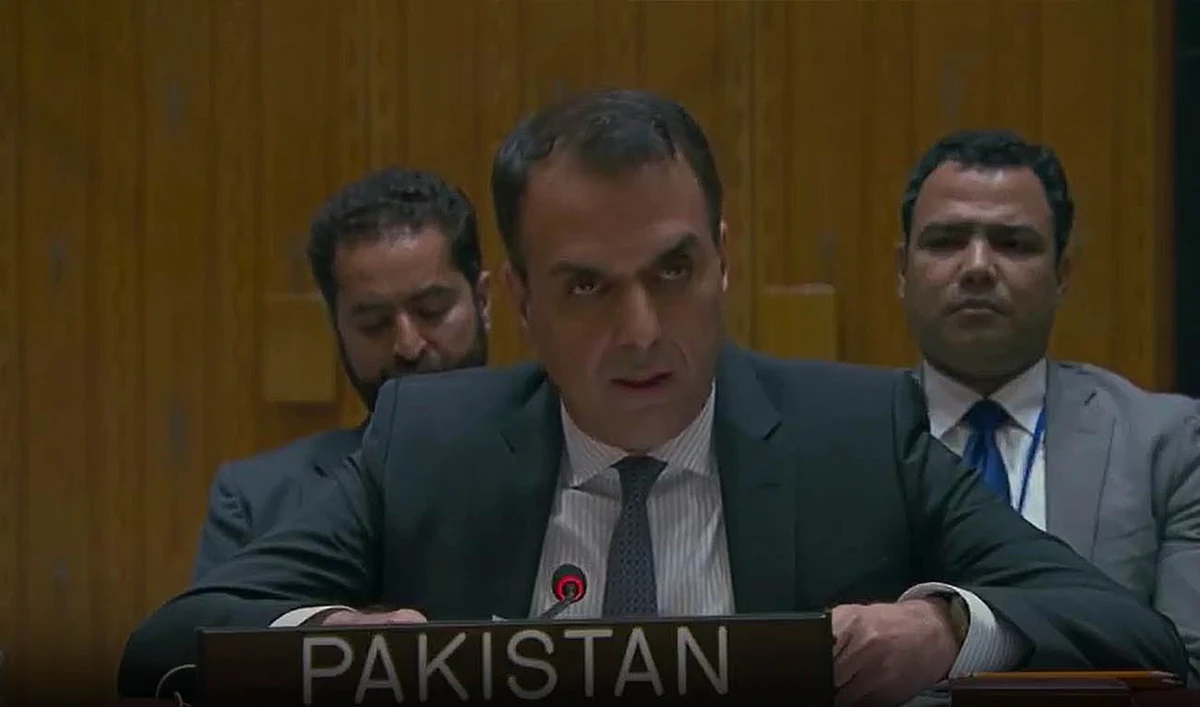
“Pakistan has voted in favor of the UNMISS mandate renewal resolution primarily to express our support for the peacekeeping mission,” Pakistan’s Deputy Permanent Representative to the United Nations, Ambassador Usman Jadoon, said in an explanation of vote. “However, we share many of the concerns expressed by our African colleagues, China and others.”
“The proposed reduction of the troop ceiling to 12,500 is not justified by the deteriorating political and security situation in South Sudan,” he continued. “This reduction could negatively affect the implementation of the protection of civilians’ mandate and the safety and security of peacekeepers.”
Jadoon also raised concerns about the mission’s shifting priorities, saying the resolution “significantly curtails the Mission’s political role” at a time when progress on South Sudan’s peace process had “stalled or reversed.”
“At a time when progress on key benchmarks has stalled or reversed, the Mission’s political engagement should remain central rather than peripheral,” he said, pointing out that political engagement “plays an important role in the protection of civilians.”
Jadoon further criticized the removal of language on consultations with troop- and police-contributing countries in the context of the military and police capability study.
“Pakistan has consistently advocated meaningful consultations with those who implement the mandates of the Council on the ground, and have better understanding of the challenges in field,” he added.
The Pakistani diplomat cautioned against linking future changes in the mission’s structure solely to cooperation from South Sudan’s government, stressing that peacekeeping operations “require sustained and predictable political and financial support from this Council, particularly in fragile environments where continuity of presence contributes directly to stability.”
The resolution was adopted with 13 votes in favor and abstentions from Russia and China.
The mission, established in 2011 after South Sudan gained independence, has already seen troop levels decline due to budget constraints, with around 9,000 soldiers currently deployed, down from nearly 14,000 a year ago.