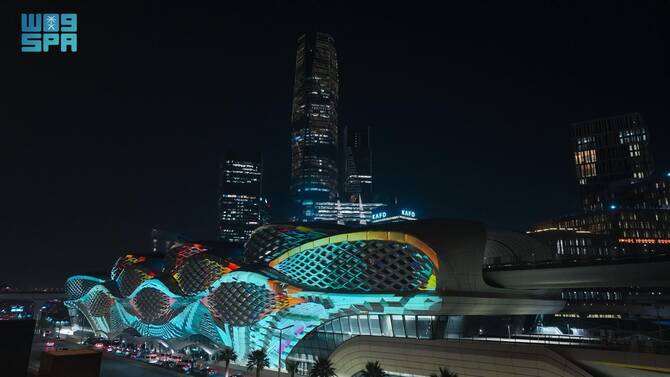


RIYADH: Riyadh’s public spaces have been turned into colorful, creative canvases to celebrate World Art Day.
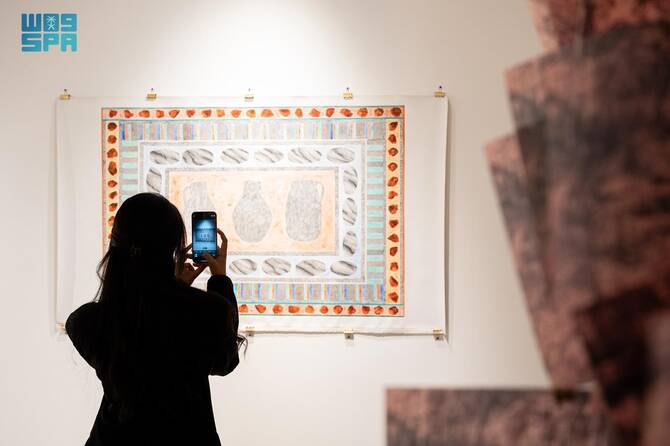
Under the Riyadh Art program, the city’s roads, transport hubs, squares and other public spaces have been transformed into open‑air galleries, Saudi Press Agency said in a report.
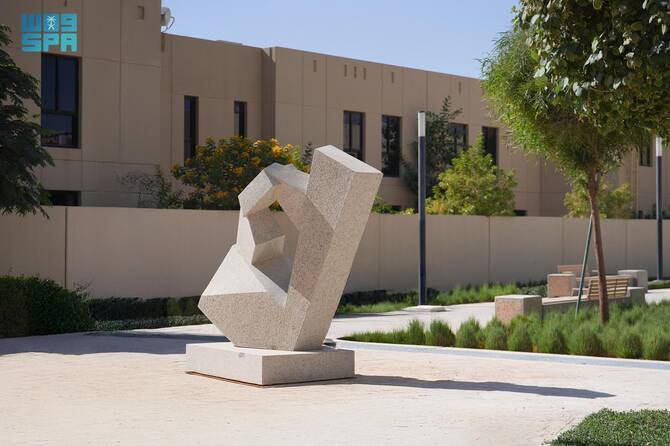
The initiative comprises a host of collections and installations, including Noor Riyadh, the Tuwaiq Sculpture Symposium and a permanent art collection.
It has also created opportunities for local and international artists to present works that enable people to engage with creative concepts and ideas as part of their daily lives and routines.
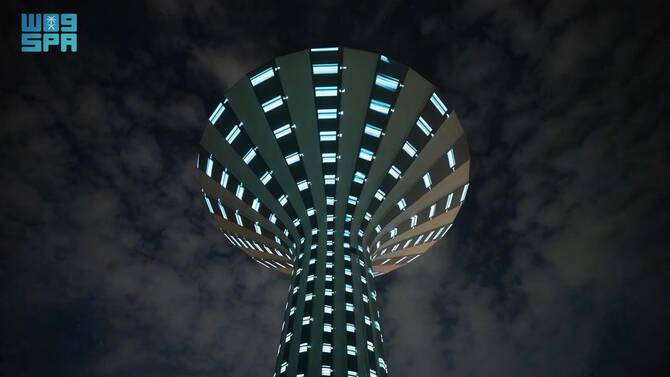
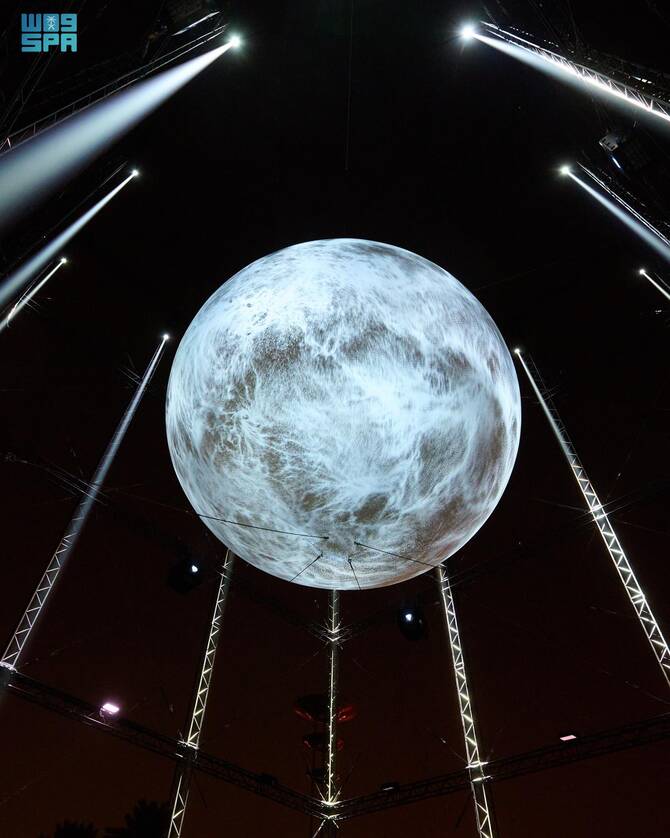
Noor Riyadh alone has attracted 9.6 million visitors and showcased more than 450 artworks by 365 international artists.
Its latest program featured 60 light‑based installations by 59 artists from 24 countries, displayed across six sites in the capital. The festival has helped turn lighting and projections into part of the city’s visual language.
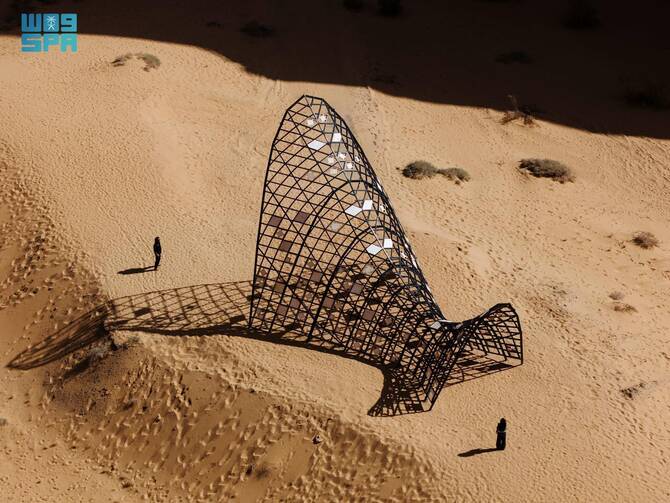
The Tuwaiq Sculpture Symposium has also contributed to expanding the public art scene. About 25 large‑scale sculptures created during its seventh edition are set to join Riyadh Art’s permanent collection and will be positioned throughout the capital as part of a broader effort to integrate art into everyday life.
Over the past decade, Saudi Arabia has built up a network of art institutions and festivals, including Riyadh Art, Misk Art, the Islamic Arts festival in Jeddah and the Diriyah Contemporary Art Biennale, the SPA noted.
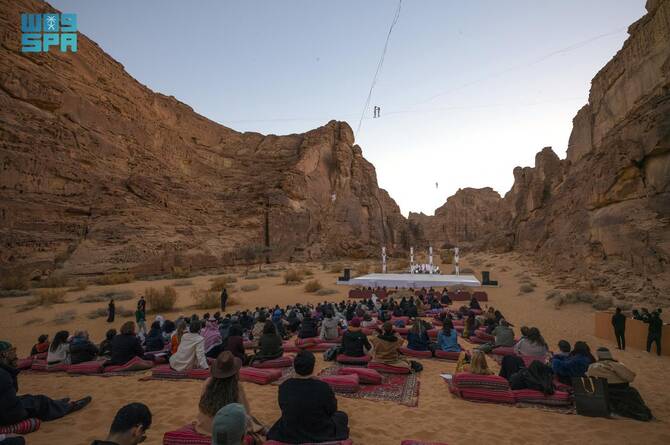
In AlUla, the Royal Commission has supported a wide range of initiatives, including the AlUla Arts Festival, which features exhibitions, outdoor installations and public programs.
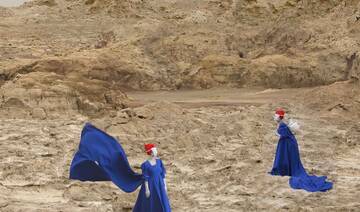
One of its flagship projects is Desert X AlUla, which uses the desert landscape as a canvas on which contemporary art engages directly with nature.
Madrasat Addeera in AlUla is a center for arts and design that focuses on reviving traditional crafts while supporting artists and artisans in adapting heritage practices for contemporary audiences.
All of these initiatives reflect a major shift in Saudi Arabia toward a more structured cultural art ecosystem, moving beyond one‑off events to sustained programming and institutional development.
This dedication to raising art’s profile is not only bearing fruit at home. The world is also noticing. In January, a painting by Saudi artist Safeya Binzagr sold for $2.1 million at a Sotheby’s auction in Riyadh.
As part of Vision 2030, the government aims to grow the cultural sector to about 3 percent of its gross domestic product by the end of this decade, or about SR180 billion ($48 billion), up from SR60 billion in 2023.