

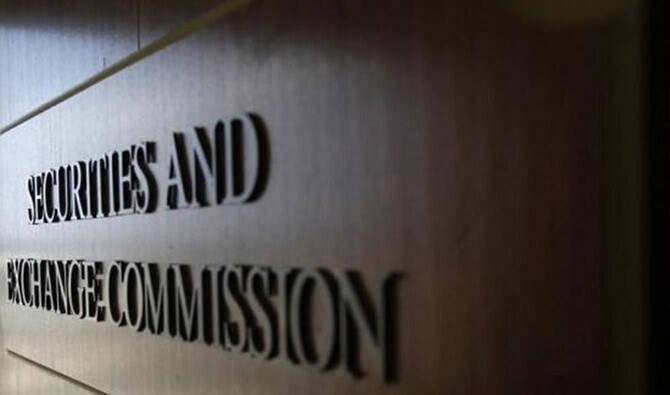

KARACHI: Pakistan’s securities regulator has issued new guidelines to help non-bank finance companies offer Islamic, or interest-free, loans, aiming to expand access to credit for consumers who avoid conventional banking on religious grounds, an official statement said on Wednesday.
The Securities and Exchange Commission of Pakistan (SECP) said the guidebook would enable lending non-banking finance companies (NBFCs), or financial institutions that provide loans outside the traditional banking system, to design Shariah-compliant products based on Islamic principles that prohibit interest, or “riba.”
Islamic finance, widely used across the Middle East and parts of Asia, relies on risk-sharing and asset-backed transactions rather than interest-based lending. Pakistan has been seeking to expand this segment as part of broader efforts to align its financial system with religious and legal directives, including rulings by the Federal Shariat Court.
“Aimed at making loans accessible to people who avoid interest (riba), the Securities and Exchange Commission of Pakistan has issued a practical guidebook to help lending Non-Banking Finance Companies (NBFCs) structure Shariah-compliant financing products,” the regulator said in a statement.
The SECP said the guidelines would help firms develop products such as installment plans, micro-loans and housing finance, allowing consumers to access credit without relying on conventional bank loans.
It added that digital Shariah-compliant financing could expand access for underserved groups, including low-income households, small businesses, farmers, freelancers and gig workers, particularly those without formal credit histories.
The regulator said Islamic lending models promote “responsible and ethical finance” by emphasizing risk-sharing and asset-backed structures, reducing the likelihood of exploitation and hidden charges.
Demand for Islamic financial services has been rising in Pakistan, with the SECP saying the initiative could increase competition in the non-bank financial sector and improve pricing, transparency and service standards.
According to the regulator, five lending NBFCs are currently fully Shariah-certified, offering products such as buy-now-pay-later services, nano-lending, housing finance and microfinance, while several other firms have approached the SECP for guidance.
An analysis of 265 products offered by 89 lending NBFCs found that around 16–17 percent are already Shariah-compliant, indicating growing momentum in the sector.
The SECP said the guidebook is part of its broader strategy to support Pakistan’s transition toward a Shariah-compliant financial system.
Pakistan has been steadily expanding its Islamic banking sector over the past two decades, with Shariah-compliant finance now forming a significant share of the financial system. Islamic banking accounts for roughly one-fifth of total banking assets and deposits, while its physical footprint has grown rapidly, with nearly 42 percent of the country’s banking branch network now offering Islamic services through dedicated banks or Islamic windows of conventional lenders. 
The shift is being driven in part by a landmark ruling by the Federal Shariat Court, which in 2022 declared interest-based banking un-Islamic and directed the government to eliminate “riba” from the financial system.
Authorities have since set a target to transition the entire banking sector to Shariah-compliant finance by around 2027–2028.


