

RIYADH: As the world of vintage continues to evolve in the Kingdom, a space has been bustling with storytelling, sustainability and investment: vintage bags.
Driven by Generation Z’s appreciation for pieces that standout, the Y2K aesthetic and sustainable fashion, vintage bags have been on a consistent rise since the early 2020s.
The trend has found its audience in the Kingdom, a place where designer and luxury pieces have long been appreciated.
The vintage scene has become a sect of luxury that requires a defined sense of taste, a want for eccentric pieces, all while supporting sustainable shopping. The experience is one that separates the average luxury buyer from niche collectors.
Vintage bags in the Kingdom have invited a variety of sellers, from local shops in Jeddah and Riyadh, to online sellers like Ounnass and international sellers who visit the Kingdom for pop-up events.
The diversity in the vintage bag scene is reflective of the industry as a whole — diverse, colorful and story-driven.
Gabriel Rylka is CEO and founder of London-based Break Archive, which sells in the Kingdom at pop-up events and online through Ounnass.
“There’s a clear shift from occasional purchases to intentional buying … Saudi Arabia in particular is an incredibly exciting market because there’s both appetite and education,” he told Arab News.
“Clients are highly aware of global trends but also confident in their own taste, which creates demand for pieces that feel distinctive rather than mass.”
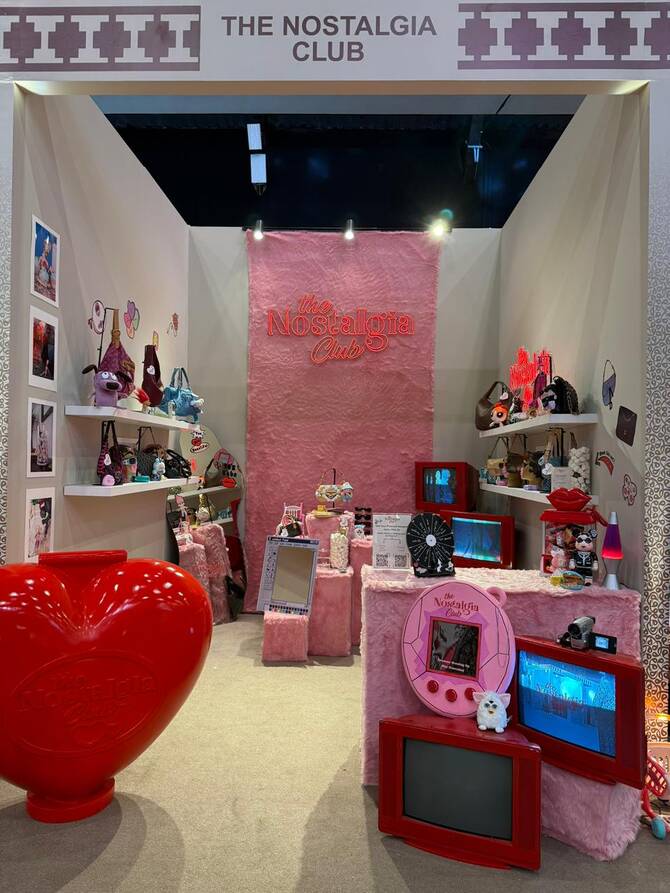
Hatoon Abdullatif, owner of The Nostalgia Club store, which sells luxury vintage bags, said: “In Saudi Arabia, we are seeing a highly sophisticated customer emerge, one who is globally aware, digitally fluent and deeply confident in their personal style.
“There is also a growing appreciation in the Kingdom for curated fashion that feels personal. Rather than owning the same seasonal pieces as everyone else, many clients want something distinctive that reflects taste, identity and discernment.”
Sara Teymoor, owner of Amused, a vintage reseller based in Jeddah, estimated the value of the secondhand luxury bag market at about $966 million.
It was “driven by e-commerce growth, rising disposable income and Vision 2030’s focus on sustainability,” she said.
Amused was seeing revenue growth of more than 50 percent a year, while its average order value had risen by 46 percent to about SR5,000 ($1,300), she said.
Rylka said that many buyers now saw vintage bags as an investment.
“These pieces are no longer being produced, so availability is finite,” he said.
“When demand increases, which it often does as trends cycle, prices can follow. Certain bags, particularly from Hermes and Chanel, have historically shown strong value retention and in some cases appreciation.”
Abdullatif said that bags often had both an emotional and monetary value.
“The best ones combine emotional value with market resilience,” she said.
“A well-chosen vintage bag can offer long-term wear, strong resale potential and a level of exclusivity that many current retail pieces do not.”
Also, the stigma once attached to buying secondhand was also fading, she said.
“In Saudi Arabia especially, the conversation around luxury is becoming more mature … Once a client understands authenticity, condition and curation, they see secondhand in a completely different light.”
Teymoor said that this shift in perception had been aided by the advent of artificial intelligence and better expert verification.
“This (destigmatization) has been driven by authentication technology,” she said.
Rylka said he had witnessed the change in attitude among his own customers.
“A few times I have overheard customers in Riyadh say, ‘Oh, these are used,’ and a friend reply to them, ‘No, they are vintage, rare pieces.’ It’s nice to see this shift.”
There had also been a cultural shift in terms of the way vintage bags were being matched with traditional Saudi outfits, he said.
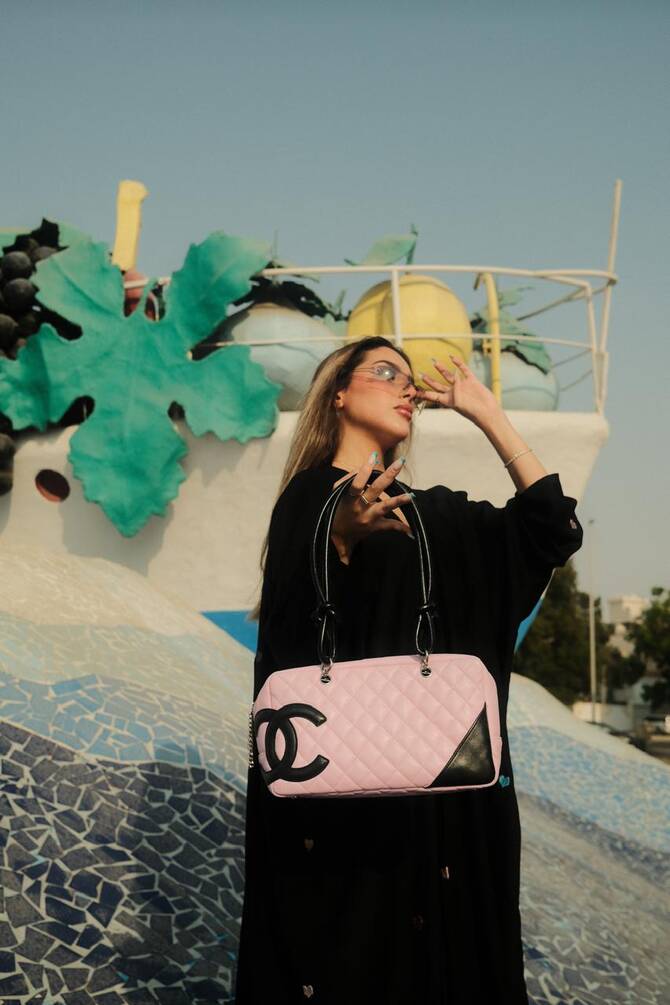
“There’s a strong preference for statement bags that can elevate more understated looks, particularly when paired with abayas (the traditional robe-like outer garment worn by Muslim women),” he said.
“We often see demand for structured shapes, rich materials and standout colors or hardware that add contrast and presence.”
Abdullatif said she had seen a similar trend.
“Some clients prefer timeless neutrals that seamlessly elevate an abaya, while others use the bag as a statement piece through texture, hardware or bold but elegant colors.”
With their mix of character, storylines and sustainability — and the potential to be a long-term investment — it seems that vintage bags are definitely here to stay.