

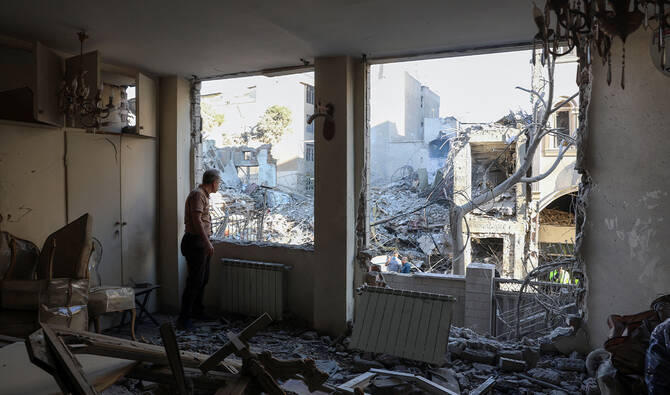

ISLAMABAD: World leaders, the European Union member states and international institutions on Wednesday thanked Pakistan for helping facilitate a two-week ceasefire between the United States and Iran, urging active engagement to safeguard regional stability.
The ceasefire, which followed weeks of war in Iran and threats to global energy supplies, has opened a narrow window for negotiations, with Pakistan emerging as a key intermediary after engaging both Washington and Tehran.
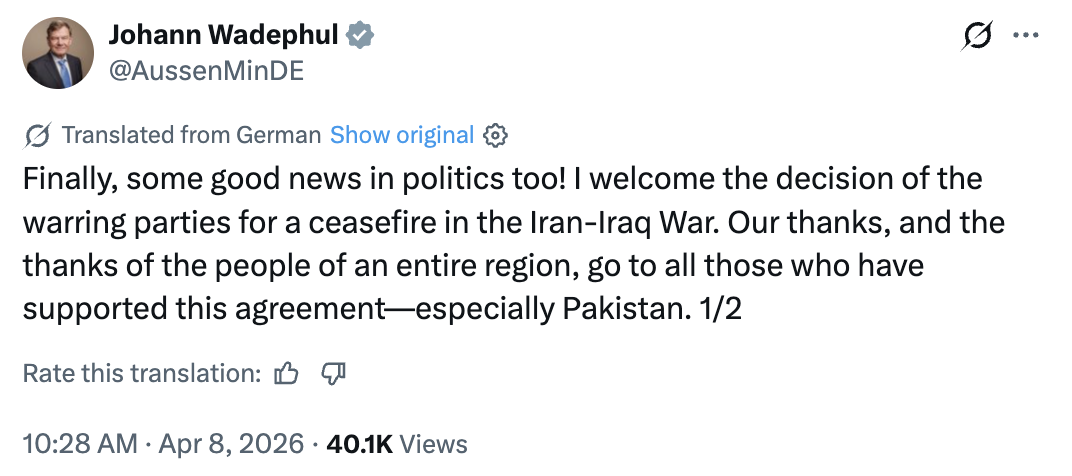
“We thank Pakistan and all partners involved for facilitating this important agreement,” a joint statement by the leaders of the Netherlands, Germany, France, Italy, UK, Canada, Denmark, Spain and the EU Council and the EU Commission, stated.
“The focus now must be on urgent diplomacy to secure a lasting peace, protect civilians, and safeguard regional stability,” it added. “We urge full implementation by all sides and remain actively engaged to support a negotiated settlement.”
The statement said the ceasefire would be “crucial” to protect Iranian civilians, ensure security and avert a global energy crisis.
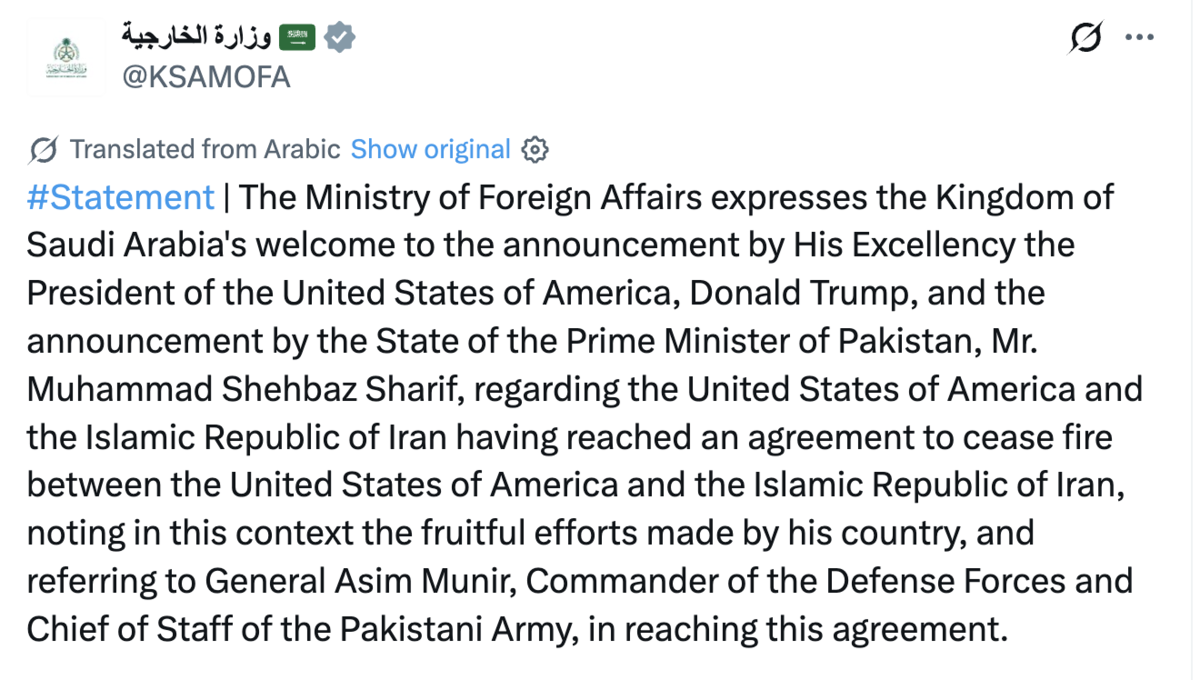
Saudi Arabia welcomed the ceasefire and acknowledged Pakistan’s role in helping secure the agreement, noting the “fruitful efforts” made by Islamabad in facilitating the deal, according to a statement by the Kingdom’s foreign ministry.
The Foreign Ministry of Oman also welcomed the ceasefire, calling it an “initial step toward de-escalation” in a statement.
“The Ministry ... stresses the importance of ensuring the security of maritime passages and the freedom of international navigation and trade in accordance with the rules of international law, contributing to the preservation of regional stability and global supply chains,” it added.
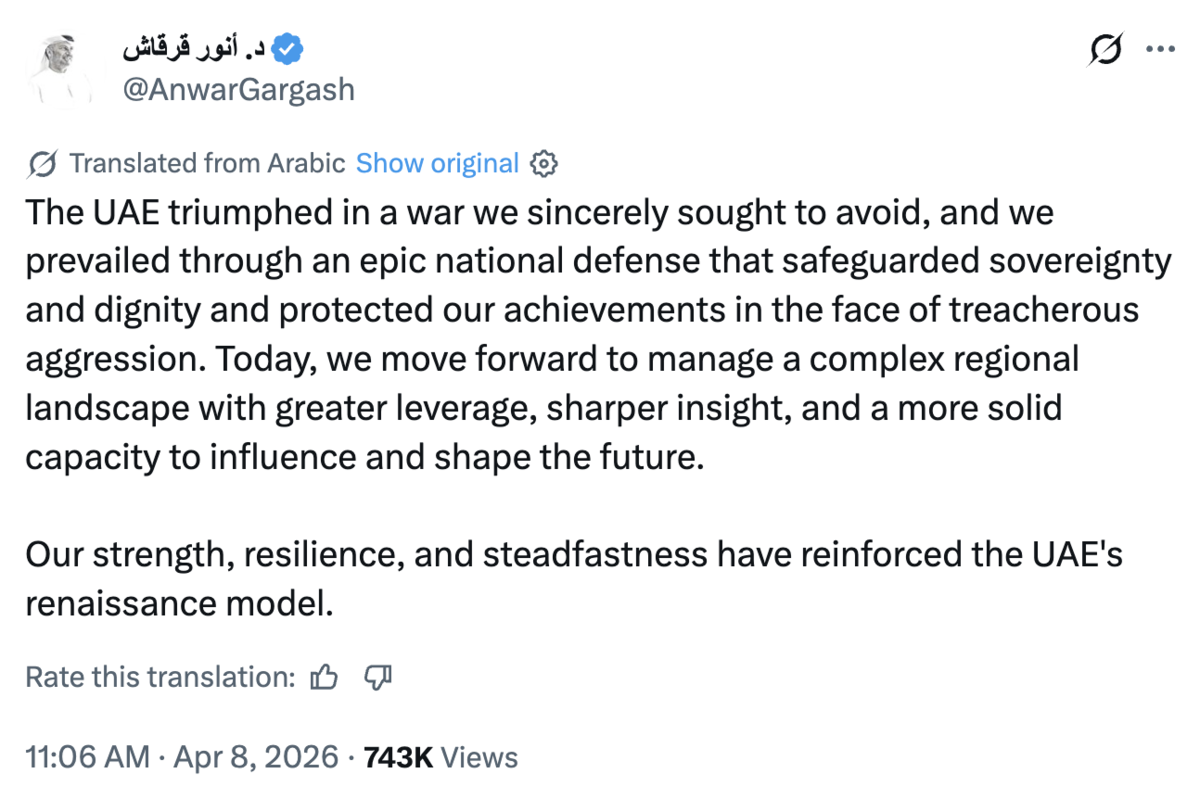
Anwar Gargash, the diplomatic adviser to the president of the United Arab Emirates, said his country had won the war.
“The UAE triumphed in a war we sincerely sought to avoid, and we prevailed through an epic national defense that safeguarded sovereignty and dignity and protected our achievements in the face of treacherous aggression,” he said. “Today, we move forward to manage a complex regional landscape with greater leverage, sharper insight, and a more solid capacity to influence and shape the future.”
Other countries outside the region lavishly praised Pakistan for its diplomatic efforts for peace.
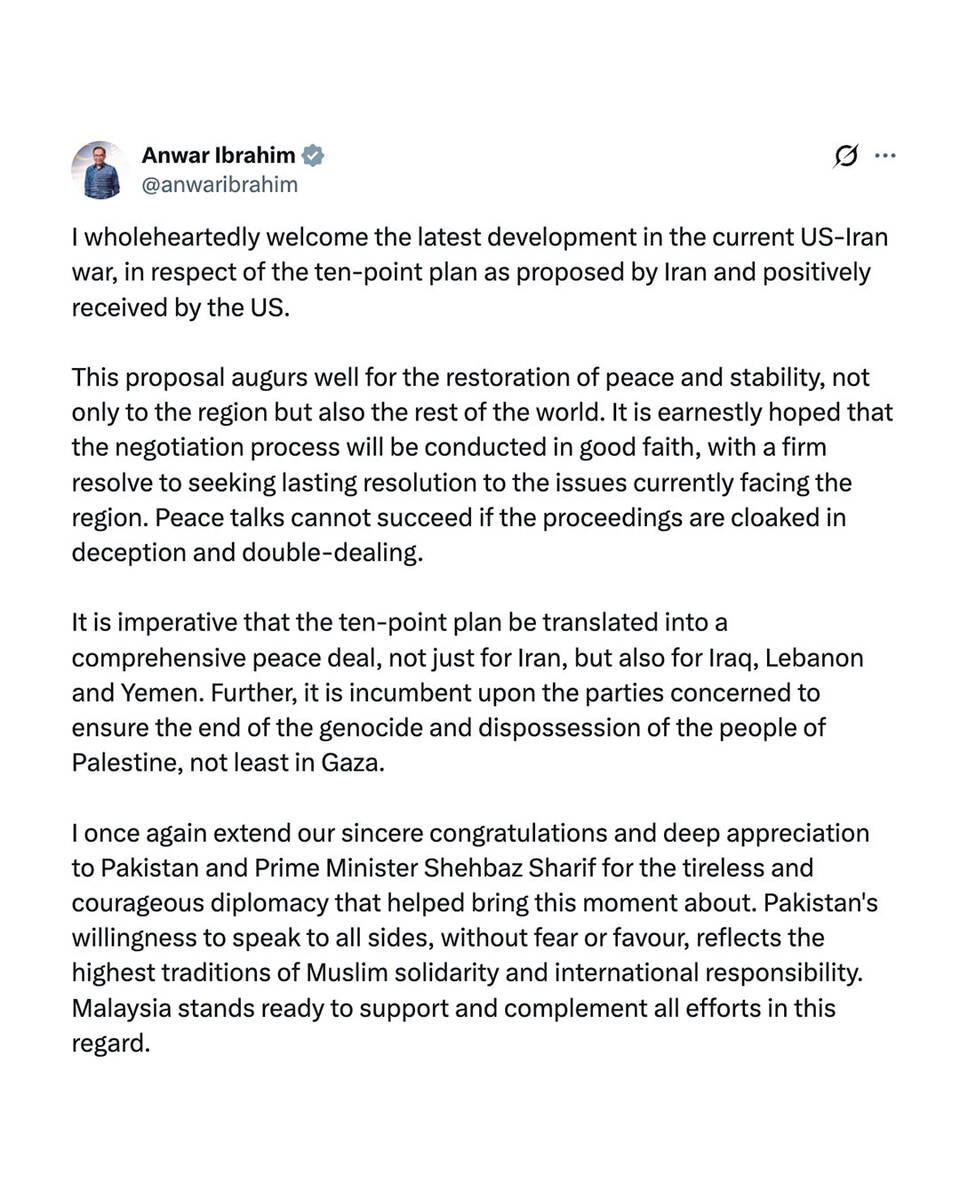
“Pakistan’s willingness to speak to all sides, without fear or favor, reflects the highest traditions of Muslim solidarity and international responsibility,” Malaysian Prime Minister Anwar Ibrahim said in a social media post on X, congratulating Islamabad for its “tireless and courageous diplomacy.”
The United Nations welcomed the ceasefire and expressed “sincere appreciation” for Pakistan and other countries involved, urging all sides to comply with international law and use the pause to move toward a comprehensive settlement.
Diplomatic missions in Islamabad echoed similar sentiments, with British High Commissioner Jane Marriott thanking Pakistan for its “quiet, effective” role and Australia’s envoy Timothy Kane congratulating Islamabad for its efforts to bring peace.
Analysts said Pakistan’s role marked a significant diplomatic moment, with Michael Kugelman of the Atlantic Council calling it “one of its biggest diplomatic wins in years” for Islamabad that helped avert a potential catastrophe.
India also welcomed the ceasefire and reiterated the need for de-escalation, dialogue and diplomacy, while emphasizing the importance of maintaining freedom of navigation and the global flow of commerce through the Strait of Hormuz.
The ceasefire has raised hopes of broader talks, potentially involving regional players, but leaders warned that underlying tensions remain unresolved and stressed the need for sustained diplomacy to prevent further escalation.


