PARIS: The current oil and gas crisis triggered by the blockade of the Strait of Hormuz is “more serious than the ones in 1973, 1979 and 2002 together,” Fatih Birol, the head of the International Energy Agency (IEA), told Le Figaro newspaper.
“The world has never experienced a disruption to energy supply of such magnitude,” he said in an interview with the French newspaper released in its Tuesday edition.
He said the European countries, as well Japan, Australia and others will suffer, but the countries most at risk were developing nations which will suffer from higher oil and gas prices, higher food prices and a general acceleration of inflation.
The IEA member countries agreed last month to release part of their strategic reserves. Some of this had already been released and the process continues, said Birol.
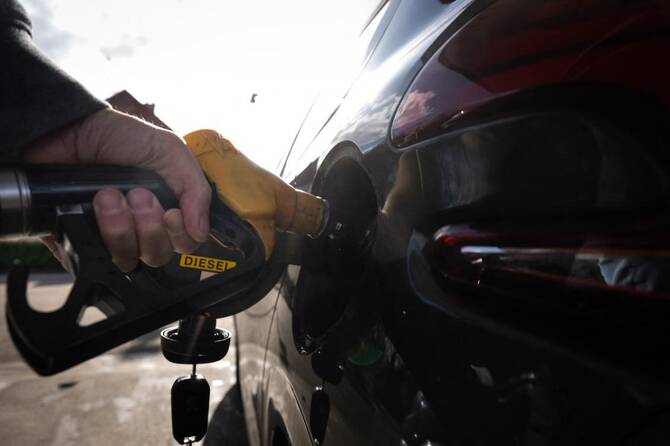
In reaction to the strikes by Israel and the US, Iran has almost entirely blocked the traffic in the Strait of Hormuz, through which about 20 percent of world oil and gas regularly flows, creating a surge in energy prices.


![]()

IEA chief: current oil and gas crisis worse than 1973, 1979, 2002 together
Short Url
https://arab.news/689ys
IEA chief: current oil and gas crisis worse than 1973, 1979, 2002 together
- The IEA member countries agreed last month to release part of their strategic reserves
Latest updates


Recommended


© 2026 SAUDI RESEARCH & PUBLISHING COMPANY, All Rights Reserved And subject to Terms of Use Agreement.