
DUBAI/TEL AVIV/WASHINGTON: US President Donald Trump warned Iran on Thursday to “get serious” about a deal to end nearly four weeks of fighting, after its foreign minister said Tehran was reviewing the US proposal but that there were no talks on winding down the war.
Trump’s comments came as the economic and humanitarian toll of the conflict mounted, with fuel shortages spreading worldwide, sending companies and countries scrambling to contain the fallout.
“Indirect talks” between the US and Iran are taking place through messages relayed by Pakistan, with other states including Turkiye and Egypt also supporting mediation efforts, Pakistan’s foreign minister said.
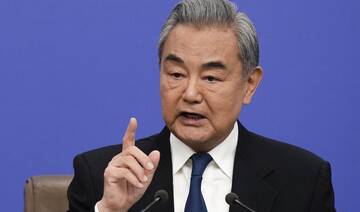
But Iranian Foreign Minister Abbas Araghchi said this did not amount to negotiation. “Messages being conveyed through our friendly countries and us responding by stating our positions or issuing the necessary warnings is not called negotiation or dialogue,” Araghchi said in comments broadcast late on Wednesday.
“At present, our policy is to continue resistance and defend the country, and we have no intention of negotiating,” he added.
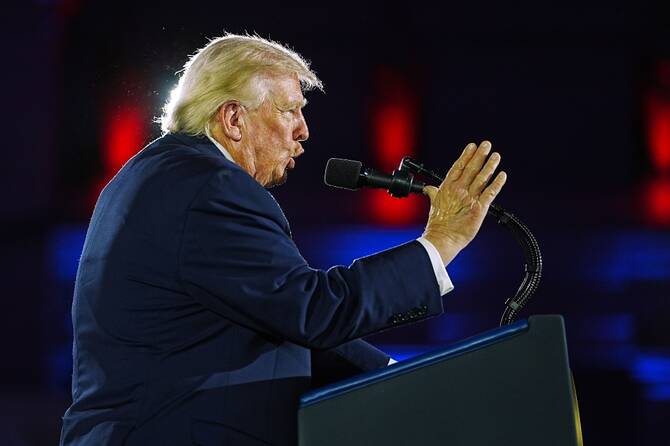
Trump said in a post on Truth Social on Thursday that Iran had been “militarily obliterated, with zero chance of a comeback,” and was “begging” for a deal.
Calling Iranian negotiators “very different and ‘strange’,” he added: “They better get serious soon, before it is too late, because once that happens, there is NO TURNING BACK, and it won’t be pretty.”
Trump later told a Cabinet meeting at the White House that the Iranians are "great negotiators" but added that he was not sure he was "willing to make a deal with them to end the war."
"They now have the chance, that is Iran, to permanently abandon their nuclear ambitions and to join a new path forward," Trump said .
"We'll see if they want to do it. If they don't, we're their worst nightmare. In the meantime, we'll just keep blowing them away."
Trump suggested that Iran let 10 oil tankers transit the Strait of Hormuz as a goodwill gesture in negotiations, including some Pakistan-flagged vessels, elaborating on what he had described as a "present" from Iran.
Maximalist positions
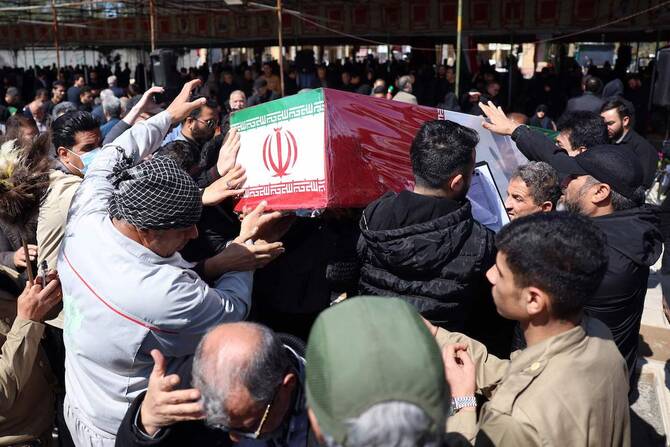
Trump has not identified who the US is negotiating with in Iran, with many high-ranking officials among the thousands of people killed across the Middle East since the US and Israel attacked Iran on February 28. Iran has since launched strikes against Israel, US bases and Gulf states.
Though Araghchi’s comments suggested some willingness by Tehran to negotiate an end to the war if Iranian demands were met, any such talks would likely prove very difficult given the positions laid out by both sides.
A 15-point US proposal to end the conflict includes demands ranging from dismantling Iran’s nuclear program and curbing its missiles to effectively handing over control of the Strait of Hormuz, according to sources and reports.
Iran has hardened its stance since the war began, demanding guarantees against future military action, compensation for losses, and formal control of the Strait, Iranian sources say. It also told intermediaries that Lebanon must be included in any ceasefire deal, regional sources said. An Iranian embassy official in Islamabad said talks in Islamabad were still on the table and Pakistan was the preferred venue for Tehran.
A Western diplomat said the US had taken a “maximalist” position and there were doubts about whether Washington was genuinely seeking to end the war or instead buying time to calm markets as it prepares for a potential ground operation.
Waves of missiles
On Thursday, Iran launched multiple waves of missiles at Israel, triggering air raid sirens in Tel Aviv and other areas and injuring at least five people.
In Iran, strikes hit a residential zone in the southern city of Bandar Abbas and a village on the outskirts of the southern city of Shiraz, where two teenage brothers were killed, Iran’s Tasnim news agency said. A university building in Isfahan was reported to have been hit.
Israeli officials said Israel had killed the naval commander of Iran’s Revolutionary Guards, and that it had many more targets left as it degraded Iranian capabilities. Still, Israel took Araghchi and Iranian Parliament Speaker Mohammad Baqer Qalibaf off its hit-list after Pakistan urged Washington to press Israel not to target people who could be negotiating partners, a Pakistani source with knowledge of the discussion told Reuters. An Israeli military spokesperson declined to comment.
Stock rally fades, oil prices resume rise
Hopes of a resolution to the conflict that had boosted global stock markets in the previous session dimmed on Thursday, with oil prices resuming their surge.
The fallout from the conflict, which has caused the worst energy shock in history, has spread far beyond the region.
With the Strait of Hormuz, a conduit for a fifth of the world’s oil and liquefied natural gas, effectively closed, the impact is rippling through sectorsfrom plastics and airlines to technology, retail and tourism. Some governments are weighing support measures last used during the COVID pandemic. Farmers are struggling to source diesel for their tractors and tens of millions more people will face acute hunger if the war continues into June, the World Food Programme estimates.
Sultan Al Jaber, the CEO of Abu Dhabi state oil company ADNOC, accused Iran of “economic terrorism.”
“No country can be allowed to destabilize the global economy in this way. Not now. Not ever,” Al Jaber said in a speech in the US on Wednesday.
Exchanges of missiles and drones across the Gulf continued on Thursday.
In Abu Dhabi, two people were killed and three others injured by debris from an intercepted ballistic missile, the government said.
Impacts of conflict spread far and wide
With stock markets weak, gas prices high and his approval ratings at an all-time low, Trump has strong incentives to find a solution before the conflict escalates further beyond his control, and ahead of November mid-term elections for Congress.
A Reuters/Ipsos poll conducted March 20-23 found 61 percent of Americans disapproving of US military strikes in Iran, while 35 percent approved.
Admiral Brad Cooper, the Central Command chief leading US forces in the Middle East, said the US had hit over 10,000 targets inside Iran and was on track to limit Iran’s ability to project power outside its borders.
Cooper said in a video briefing on Wednesday that 92 percent of Iran’s largest naval vessels had been destroyed and that its drone and missile launch rates were down by more than 90 percent. The US and Israel have damaged or destroyed two-thirds of Iran’s missile, drone and naval production facilities and shipyards, Cooper said. The Pentagon is meanwhile planning to send thousands of airborne troops to the Gulf to give Trump more options to order a ground assault, sources have told Reuters, adding to two contingents of Marines already on their way. The first Marine unit, aboard a huge amphibious assault ship, could arrive around the end of the month. UN Secretary-General Antonio Guterres on Wednesday warned: The “world is staring down the barrel of a wider war” in the region.
“It is time to stop climbing the escalation ladder – and start climbing the diplomatic ladder,” he said at the UN headquarters in New York.