


RIYADH: The jambiya remains one of the most prominent symbols of folk heritage in the Najran region, embodying the symbolism of masculinity and dignity.
It holds particular importance during Eid celebrations, as men are keen to wear it as an integral component of their traditional attire, reflecting their cultural identity and reinforcing social bonds within the community.
The craft of producing the jambiya dates back to ancient times and has evolved into a symbol of adornment and pride.
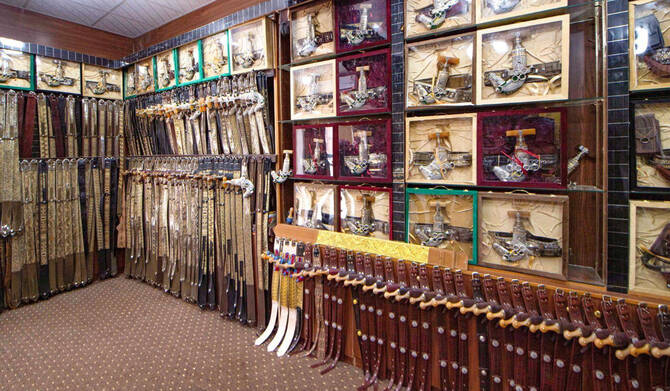
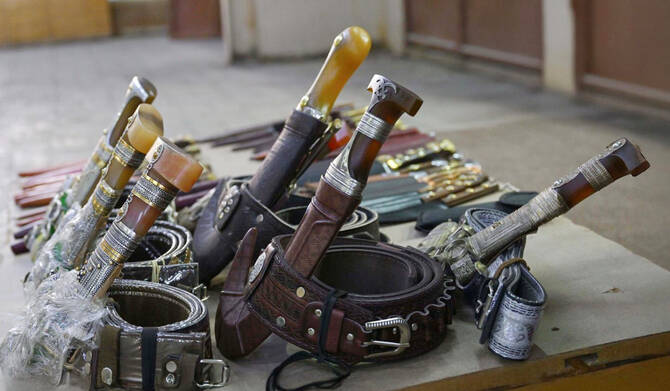
It is distinguished by its design, which features a curved dagger and a hilt adorned with inscriptions that reflect the cultural heritage.
Typically crafted from steel or copper, it is complemented by colorful belts, either ornately decorated or inlaid with precious stones, adding a distinct aesthetic dimension to men’s attire.
Locals affirmed that the jambiya remains as an enduring symbol of Najran’s heritage, embodying values of masculinity and dignity.
It is regarded as an integral part of celebrations and special occasions, where wearing it signifies respect and appreciation, as it represents authenticity and stands as an emblem of joy, pride and belonging.
It further attests to a rich cultural heritage that is renewed with each Eid, as individuals of all ages wear it during the communal festivities of Eid Al-Fitr.


