NEW YORK: The UN human rights chief on Thursday condemned escalating attacks on major oil and gas facilities alongside strikes on densely populated areas, warning that the widening regional conflict is exacting a growing toll on civilians.
“Almost three weeks since the US-Israel strikes on Iran commenced, the conflict continues to spread, with its toll disproportionately impacting civilians across the Middle East region and beyond,” UN High Commissioner for Human Rights Volker Turk said in a statement.
Turk said the targeting of critical energy infrastructure, including South Pars in Iran and Ras Laffan in Qatar, marked a dangerous escalation.
“Attacks on energy infrastructure … will only compound hardship. Disastrous humanitarian, economic and environmental consequences will be triggered if such attacks continue, resulting in deep harm to civilians — potentially for years to come,” he said.
He warned that hostilities were increasingly shifting toward densely populated areas as well as vital infrastructure.
“The human cost of this reckless war is alarming. Hostilities are being waged without regard to the immediate and long-term consequences for civilians across the entire region,” he said.
Turk called for urgent diplomatic efforts to halt the escalation.
“To pull the region back from the brink and prevent the further loss of civilian life and destruction of vital public infrastructure, renewed diplomatic efforts are critical,” he said.
US and Israeli strikes have killed people across Iran and damaged a wide range of civilian sites, including housing complexes, medical facilities, schools, shops, courthouses, UNESCO World Heritage sites and energy installations. The Iranian Red Crescent reported that 67,414 civilian sites had been struck, including 498 schools and 236 health facilities.
The cumulative impact of the hostilities has disrupted electricity supplies and contributed to shortages of essential goods such as medicine, infant formula, and fuel.
Israeli strikes in Lebanon have also caused significant civilian casualties, widespread infrastructure damage and displaced more than 1 million people, while Iranian strikes and Hezbollah rocket fire into Israel have hit residential areas, causing further casualties and damage.
Turk condemned attacks targeting civilian objects and infrastructure indispensable to the civilian population, saying such actions may constitute serious violations of international humanitarian law and amount to war crimes.
“All parties to this conflict are bound by their obligations – irrespective of the conduct of any other party — and must take all feasible measures to avoid harm to civilians and damage to civilian objects,” he said.
He also condemned the impact of sustained Iranian strikes across the wider region, including in Bahrain, Iraq, Jordan, Kuwait, Oman, Qatar, Saudi Arabia, and the UAE, which he said had kept populations on high alert and instilled fear and anxiety.
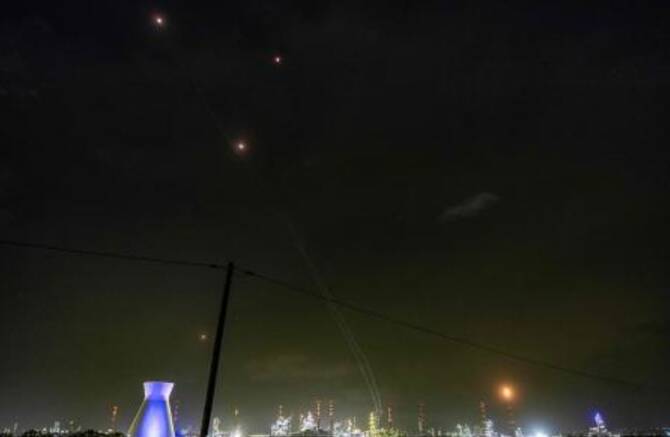
Iranian drones and missiles have struck or been intercepted near hotels, airports, diplomatic premises, ports, tankers, and energy facilities, causing deaths, injuries, and disruption to aviation and shipping.
Turk also condemned the deteriorating situation inside Iran, citing reports of repression, waves of arrests and Internet shutdowns. He said political prisoners faced limited access to food and risks of enforced disappearance and execution, with four executions reported, three linked to nationwide protests in January 2026.
Across the region, civic space has been restricted, with arrests reported on charges including espionage, treason or sharing conflict-related content.
“In times of war, the rule of law, due process and other human rights obligations continue to apply. The ugly reality of war is not a carte blanche to violate human rights,” Turk said.
He noted that many in the region would observe the upcoming Eid Al-Fitr this weekend in circumstances of hardship, uncertainty, and fear.
“I extend my Eid wishes to all those who observe it, and my heartfelt solidarity to all those enduring the hardships of conflict and instability,” he added.


![]()

UN rights chief condemns attacks on Gulf states, energy sites as civilian toll mounts
Short Url
https://arab.news/bqf4g
UN rights chief condemns attacks on Gulf states, energy sites as civilian toll mounts
- Volker Turk calls for renewed diplomatic efforts after hostilities shift toward densely populated areas
- ‘Human cost of this reckless war is alarming,’ Turk says, adding that strikes ‘may amount to war crimes’


Latest updates


© 2026 SAUDI RESEARCH & PUBLISHING COMPANY, All Rights Reserved And subject to Terms of Use Agreement.