

JEDDAH: Muslims around the world eagerly await the holy month of Ramadan, a time when worship increases, families grow closer and long-held traditions come to life. The month concludes with one of the most joyful moments of the year — the Eid prayer.
After the prayer, people exchange greetings of “Eid Mubarak” before returning home, where families gather for one of the most meaningful meals of the year: the Eid breakfast.
After a month of fasting from dawn to sunset, the first morning meal of Eid carries special meaning. Tables are filled with dishes prepared especially for the occasion, reflecting the generosity, hospitality and culinary traditions of each region.
Across Saudi Arabia, Eid breakfast traditions vary from one region to another. In the Hijaz region — home to Makkah, Madinah and Jeddah — the meal reflects a rich culinary heritage and a strong emphasis on family gatherings.
One well-known Hijazi tradition is “tatema,” a light and comforting meal commonly enjoyed on the first day of Eid Al-Fitr and sometimes as a simple evening meal throughout the year.
The mezze-style spread often includes labneh with mint, olives, pickles, foul, breads and other small dishes, sometimes presented with a modern touch.
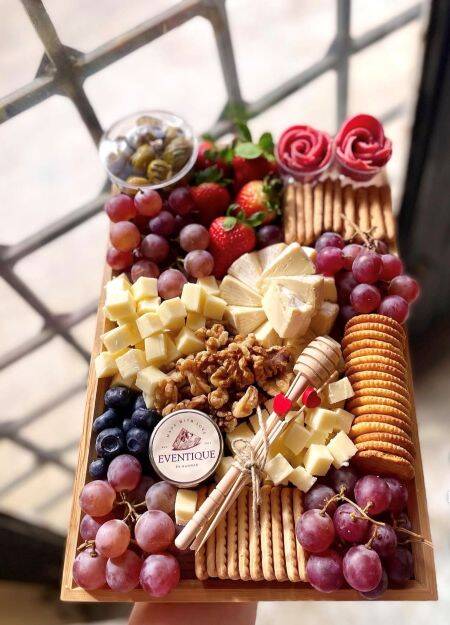
Hijazi families also pay close attention to the presentation of the table. In recent years, items inspired by Western cuisine — such as cheese platters — have begun appearing alongside traditional dishes.
Household host Samiah Qadi told Arab News: “Despite our efforts to keep Eid breakfast authentic, new and interesting trends continue to grow every year.
“This year the cheese platter and charcuterie is a must on my table. It includes many tatema items and allows for creative presentation, and I am sure guests will love it.”
Abir Abu Sulayman, CEO of the Aloula Nonprofit Organization and a specialist in Hijazi traditions, said Eid breakfast is both joyful and deeply meaningful.
“Eid breakfast is a rich and festive meal. There is cheese, many kinds of bread, jam and often shakshuka eggs, making it a true morning feast,” she told Arab News. “Families gather around the table to celebrate and exchange warm wishes.”
She added that the morning holds special meaning for younger family members.
“It is a special moment for grandchildren who come to greet their grandparents. For children, one of the most exciting traditions is receiving small gifts, usually money along with bags of candy,” she said.
Sulayman added that the meal also carries a spiritual significance after the completion of Ramadan.
“People gather with the hope that their prayers and good deeds during the holy month have been accepted. It is a celebration of gratitude and togetherness,” she said.
“The food is different from what families eat during Ramadan, and the table is filled with generous dishes. But beyond the food, Eid breakfast is truly an opportunity for families to reconnect and celebrate.”
Among the traditional dishes served in the Hijaz is debyazah, a sweet dish that is considered a staple of the Eid breakfast table.
Prepared days in advance, it features qamar Al-Din — a thick apricot nectar — mixed with nuts such as almonds, pistachios and pine nuts, along with dried fruits including figs, apricots, dates and raisins.
Mohammed Qari, a tour guide from Jeddah who is knowledgeable about Madinah’s traditions, told Arab News that the city has its own distinctive Eid morning customs.
“Madinah is unique because many residents perform the Eid prayer at the Prophet’s Mosque, which marks the beginning of the city’s Eid morning celebrations,” he said.
The city’s long history as a destination for pilgrims has also shaped its culinary traditions.
“Madinah is a multicultural city influenced by many Islamic cultures, and this is reflected in its Eid breakfast, which features a wide variety of dishes not commonly found in other Saudi cities,” Qari said.
Eid morning typically continues with families gathering at the home of the family elder — often the grandfather, grandmother or father — to share breakfast together.
“In the past, these traditions extended across entire neighborhoods,” he said. “Modern lifestyles and work in other cities have slightly reduced this closeness, but many families still return to Madinah for Eid to maintain these customs.”
According to Qari, the Eid breakfast table in Madinah often includes cheeses, olives, sweets and the well-known Medinan bread fatout Al-saman, along with baked goods such as shrik.
Some dishes and pickles are prepared days in advance, although many preparations are now simplified thanks to modern markets.
“Madinah is also known for distinctive flavors and ingredients,” he said, including the local duggah spice blend, special bread spices, zalabiya fritters and tea flavored with herbs such as mint and Madinah rose.
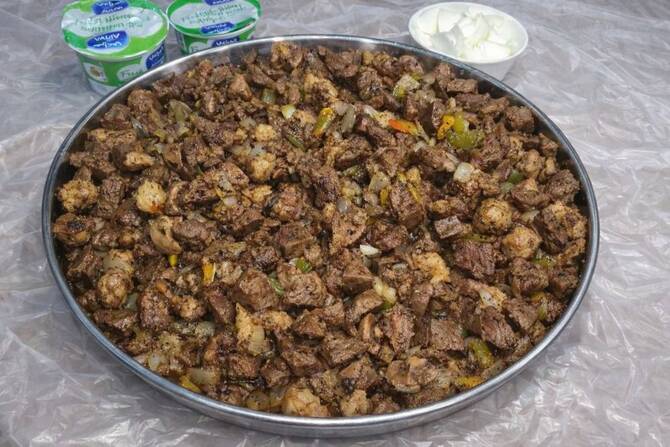
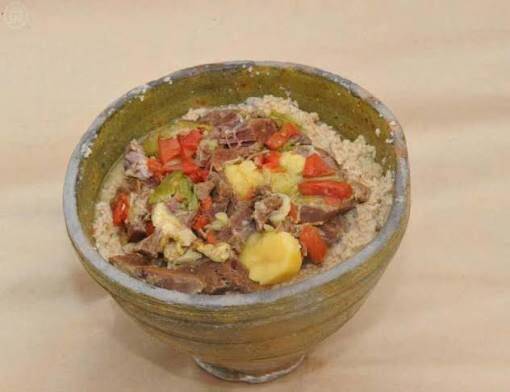
In the Kingdom’s central region and parts of Najd, families often prepare mufattah, a traditional meat dish typically reserved for special occasions such as weddings or the Eid holiday. Although eaten only once or twice a year, it remains one of Saudi Arabia’s most popular celebratory meals and is usually prepared with lamb.
Haneen Al-Rashid, a resident of Riyadh, told Arab News that Eid breakfast tables in the region are known for their variety of traditional Najdi dishes.
“The Eid breakfast table is characterized by dishes such as jareesh, qursan and haneeni, usually accompanied by Saudi coffee and sweets,” she said.
The gathering is also marked by the exchange of festive greetings and the giving of Eidiya to children, creating an atmosphere of warmth and celebration.
In Saudi Arabia’s Eastern Province, Eid Al-Fitr also begins with the Eid prayer, followed by family breakfasts featuring traditional dishes such as balaleet, aseeda, fatit and liver.
The day is filled with visits to relatives and neighbors, exchanging greetings, giving Eidiya to children, and perfuming homes with incense.
Ghadeer Al-Sughair, a teacher from Dhahran, told Arab News that families often gather at the home of the family matriarch after morning greetings.
“After the men complete their rounds of greetings at neighboring homes, families usually reunite at the house of the family matriarch, where a hearty breakfast awaits,” she said.
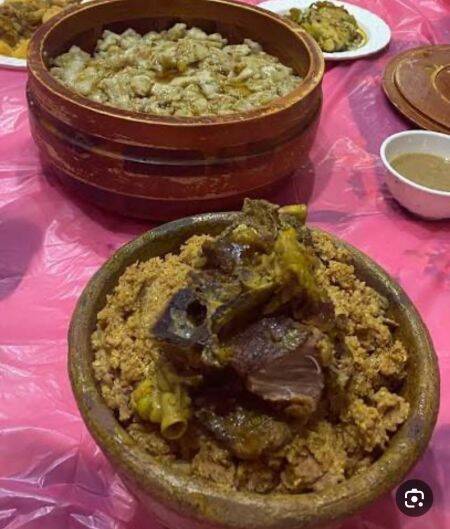
“One of the beloved dishes is a comforting stew of mashed wheat and barley with fresh lamb, traditionally cooked in a clay pot, bringing everyone together around a meal that reflects the region’s rich heritage.”
Abdulrahman Al-Sharari, a member of the Tabarjal Family Association in Al-Jouf, told Arab News that Eid mornings in the region are marked by a calm and closely connected social atmosphere.
“After performing the Eid prayer in mosques or open prayer grounds, people exchange greetings in the streets and between homes,” he said. “Each family then heads to the house of the family elder — whether the father, the eldest uncle or the grandfather.”
There, extended families gather in a scene that reflects the strong family bonds within Joufi society. The family elder typically prepares the hospitality, offering Arabic coffee and breakfast to welcome children and grandchildren on the festive day.
Eid breakfast in Al-Jouf is more than a morning meal; it is an important family gathering where kinship ties are renewed. Hospitality usually begins with Arabic coffee and dates, followed by traditional dishes the region is known for.
“One of the most prominent dishes served during Eid Al-Fitr in Al-Jouf is hameesah, a well-known traditional dish in the region,” Al-Sharari said.
“Hameesah consists of meat sauteed with fat, onions and selected spices until fully cooked and rich in flavor. It is usually served with traditional local bread,” he added, highlighting that the dish has long been a staple of Eid morning in the region.
Another traditional dish often served alongside it is bakeelah, a heritage food closely tied to the natural produce of Al-Jouf.
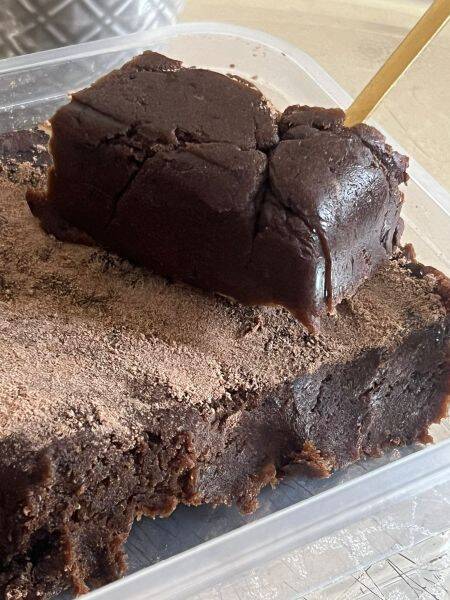
“Bakeelah is made from date paste prepared from the famous Hilwah Al-Jouf dates, mixed with ground roasted samah grain and ghee or olive oil,” Al-Sharari said. “These ingredients create a dish rich in energy and flavor, reflecting the people’s connection to the produce of their land.”
After breakfast, another key Eid tradition begins: social visits. Families set out to visit relatives — especially maternal uncles and aunts, cousins and respected elders in the community.
During these gatherings, Eid greetings are exchanged, Arabic coffee and sweets are served, and children receive Eidiyah, gifts of money.
“These traditions reflect the character of Joufi society, which places great importance on maintaining family ties, respecting elders and preserving cultural heritage,” Al-Sharari said.
“Despite changes in modern lifestyles, these customs remain alive. The morning of Eid Al-Fitr in Al-Jouf still begins with prayer, followed by family gatherings around a traditional breakfast table before social visits begin.”
In the Kingdom’s southern regions, Eid celebrations often extend beyond the family home. In many neighborhoods, residents prepare a collective meal served on long tables stretching along the streets, filled with regional favorites.
Ingredients such as ghee, honey, fish, flour, barley, dates, lamb and locally grown vegetables are essential components of the savory stews that define the festive spread.
Mohammed Al-Malki, a writer and knowledgeable observer of Jazani traditions, told Arab News that Eid festivities in Jazan are often accompanied by traditional dances performed by local men, with celebrations of song and movement taking place before families gather for breakfast.
Eid breakfast remains one of the most cherished traditions in the region. After completing the Eid prayer, families and neighbors gather to share the meal together, meeting in neighborhood courtyards and inside homes.
“Breakfast tables often stretch several meters, lined with dishes filled with the region’s well-known traditional foods,” Al-Malki said. “Each person typically brings a prepared dish featuring local specialties.”
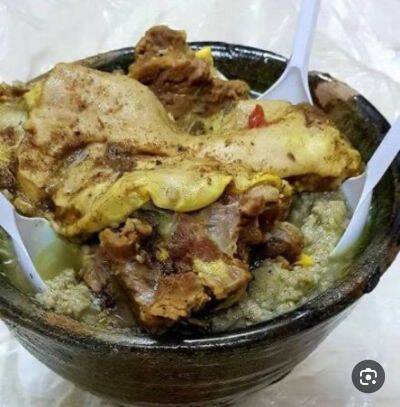
Among the most prominent dishes is haisiyah, which can be served sweet or savory. “The sweet version is made from corn or millet mixed with yogurt and ghee and sweetened with sugar or honey,” Al-Malki added. “Others prefer a savory version prepared with broth, khameer bread and lahoh, served with meat or chicken.”
The Jazan-style haisiyah is traditionally served in a clay vessel made specifically for preparing the dish. The handmade earthenware pot reflects local craftsmanship and helps preserve the dish’s authentic flavor.
Fish is also sometimes included in Jazan’s haisiyah. One variation, known as Haisiyat Al-Furqa, combines salted fish with yogurt.
The Jazan breakfast spread also includes marsah, made by mashing flour with banana, honey and ghee. Other popular dishes include mofalt, marshoosh, various stews and rice.