Published by Hannibal Books
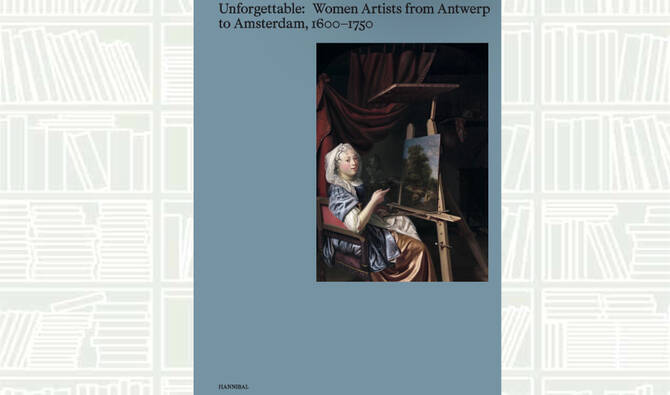
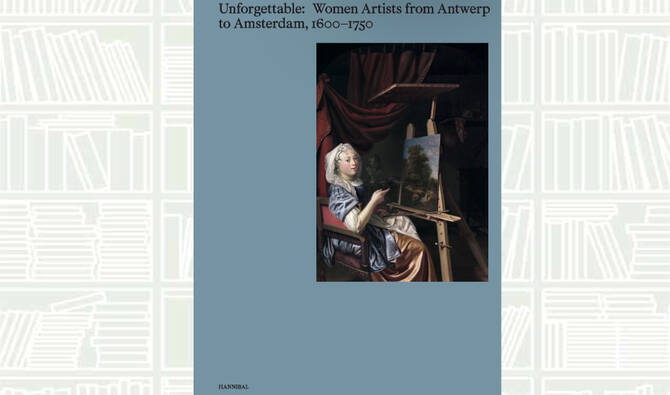
March marks Women’s History Month and if you are an art historian looking to peek back into history to emancipate some of the creative women of an era long gone, the 2025 publication “Unforgettable: Women Artists from Antwerp to Amsterdam, 1600-1750” might be worth a look.
Published by Hannibal Books, the volume highlights over 40 women artists whose diverse contributions to painting, sculpture, embroidery, and glass etching challenged societal expectations and shaped the artistic world of their time. And now ours.
The book accompanies major exhibitions at the National Museum of Women in the Arts, in Washington, and Museum voor Schone Kunsten, also known as the Museum of Fine Arts Ghent, in Belgium. The book and those art spaces restore long-overdue recognition to women who have creatively shaped that dusty corner of art history.
The work is edited by Virginia Treanor, senior curator at NMWA, and MSK researcher Frederica Van Dam, both of whom also contributed to the text in the 300-page presentation.
It boasts additional context and contributions from notable experts such as curators Katie Altizer Takata and Inez De Prekel; Prof. Frima Fox Hofrichter; lacemaker and textile historian Elena Kanagy-Loux; author Catherine Powell-Warren; researcher Marleen Puyenbroek; and art historian Oana Stan.
For centuries the contributions of women artists in the Low Countries in the 17th century — an area defined as present-day Belgium and the Netherlands — were overshadowed by those of artists who were men. Despite their central role in creating the artistic landscape that is still celebrated today, the works by women are scarcely known, yet many of us can recognize at least one or two paintings by men from that time.
Why should we care about women artists from Antwerp to Amsterdam between 1600-1750 today? It is because giving women their flowers does not have an expiry date. They deserve their place in the spotlight, even if it is merely within this space.
This beautifully illustrated volume provides much-needed color and texture, allowing these women — many of whom I had never heard about, despite my extensive art history education — to not only exist on the page but to be side-by-side with their peers from the era. A true celebratory and empowering selection.
Despite the book’s title, many of these women artists from Antwerp to Amsterdam between 1600-1750 were, in fact, forgettable. But hopefully not anymore.
A good resource for art historians and collectors, the text can be somewhat dense for casual reading but definitely worth a flip or scroll.