


JEDDAH: Ramadan in Saudi Arabia has its own rhythm, with quiet, slow days and lively, busier nights. For non-Muslims living in the Kingdom the month is an immersive experience as they gracefully adapt to the changing lifestyle based on social and cultural understanding.
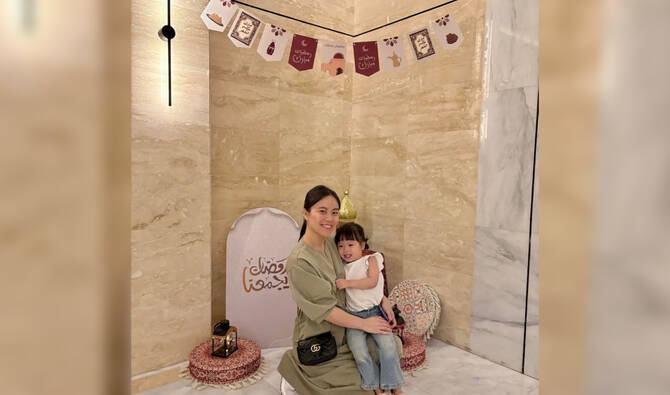
Trang Phan, a Vietnamese national who has lived with her family in Jeddah for five years, says Ramadan has become a defining cultural experience.
“Many shops and restaurants close during the day, so as non-Muslims, we naturally adjust … it makes you more aware of eating times, energy levels and the spiritual atmosphere around you. Over time, this adjustment feels very natural and respectful,” she told Arab News.
“Evenings become the most important part of the day. As a family, we really enjoy going out after sunset to experience the city at night — it feels lively, joyful and full of warmth. We also sleep later than usual, as nights become more social and meaningful.”
Ramadan comes alive as iftar preparations begin, with home cooks and restaurant chefs in a race against time to ensure meals are ready for everyone to break their fast at the call of Maghrib prayer. In the midst of the chaos, there is also a sense of calm and serenity that sets the tone for the evening.
Kimberly Eyles from New Zealand, observing her third Ramadan in the Kingdom, told Arab News. “During Ramadan I plan my evenings more carefully so I can be at a restaurant right at iftar time. That way I get to enjoy the full experience alongside everyone else.”
She has enthusiastically shared her favorite things about Ramadan on her Instagram account, such as the iftars and suhoors, as well as showing how preparations are made at a Riyadh hotel.
She has also been invited to enjoy iftar in Saudi homes. Eyles said: “Saudis are already incredibly hospitable, but during Ramadan that hospitality is taken to another level. It becomes a season of generosity in every sense with more food, more gatherings, more invitations and more kindness.
“What stands out to me the most is the way people come together. There’s a real focus on connection — families and friends sitting together, talking, laughing and enjoying the moment. It is rare to see people distracted by phones or devices; instead everyone is engaged with each other. That sense of unity and shared celebration is what makes iftar so meaningful.”
While some longer-term non-Muslim expatriates look forward to Ramadan every year, others are experiencing it for the first time and take the opportunity to learn about Islam and the holy month’s traditions.
“Speaking with people during Ramadan has helped me understand that it is a deeply spiritual time focused on reflection, gratitude and inner peace. I’ve learned that it’s a time for people to look inward and let go of negativity and strengthen their values of kindness and compassion,” said Eyles.
Canadian national Carly Overman, who came to Saudi Arabia in August last year with her family, said she was she was “bit nervous but excited” about experiencing Ramadan in the Kingdom.
“Ramadan has definitely sparked me to learn about Islam more and understand what is expected and respectful during Ramadan,” she said. “I’ve been reading about them (iftar) in a children’s book I purchased for my daughter so we can learn about Ramadan together.”
To anyone planning to visit Saudi Arabia in the near future or wanting to understand the spirit of Ramadan, Phan concluded: “Come with an open heart and an open mind. Respect the culture, observe quietly, slow down, and embrace the experience. Ramadan in Saudi Arabia is not restrictive — it is warm, reflective and deeply human. If you allow yourself to experience it, Saudi truly starts to feel like a second home.”


