




JEDDAH: As Ramadan transforms dining tables and hotel buffets across Saudi Arabia, the conversation around generosity is being matched with a growing sense of responsibility.
During a month defined by abundance, often concentrated within iftar and sahoor, businesses are rethinking how to reduce waste while preserving the spirit of hospitality that defines the holy month.
For Saudi food-tech platform Barakah, sustainability is not a seasonal campaign but a year-round mission.
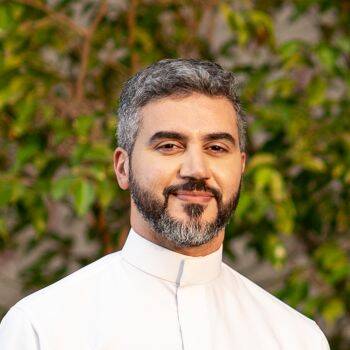
Rabah Habiss, its co-founder and chief product and technology officer, said: “Our mission at Barakah is to help F&B (food and beverage) businesses become more sustainable by giving them a last-resort channel to sell their surplus products and, on the other hand, give people access to food while raising awareness on sustainable food practices.
“Ramadan is when the principle of preserving blessings is utmost. That’s core to what Barakah does year-round, but Ramadan is specifically where awareness messages resonate most.”
This year Barakah has partnered with Letadom — one of the programs of the General Food Security Authority — and aims to unify efforts to reduce food loss and waste in the Kingdom. The collaboration centers on two key initiatives: broadcasting targeted awareness messages related to sustainable food practices across its channels throughout the month; and introducing interactive Ramadan-themed trivia within the app, revolving around food preservation and sustainability practices rooted in Islamic teachings.
The company launched its Eat it From Your Hands initiative earlier this year, inviting its community to plant something they would later use in preparing a meal.
Habiss said: “The idea was inspired by a simpler way of living: you grow something, you cook it, you waste less.”
With more than 3 million users on the platform, he stressed that incremental change mattered, and added: “Even small shifts in behavior (can) add up fast.”
Ramadan, however, presents a particular operational challenge, and Habiss said: “Our vendors — restaurants, bakeries, supermarkets — prepare significantly more during Ramadan, in two condensed eating windows.
“That’s the reality of the season. What Barakah does is give them a reliable channel to move surplus the same day, at up to 70 percent off, instead of throwing it away.”
Since its launch Barakah has prevented more than 8 million meals from going to waste, empowering more than 4,000 restaurant, grocery, and retail partners across 32 cities in Saudi Arabia to monetize surplus inventory.
Technology played a critical role during high-consumption periods, and he added: “The biggest problem with food surplus is timing. A bakery with 30 unsold boxes at 9 p.m. can’t run a marketing campaign, but our platform can match that supply to nearby consumers in minutes. Technology compresses the gap between surplus and demand to nearly zero.
“The cultural foundation is already there and it is something every family in Saudi understands. Technology just makes acting on it easier.”
His advice to consumers reflects a generational shift, and he said: “We grew up hearing always more, never less. There’s love in that tradition, but also a lot of waste. This generation can keep the generosity and lose the excess. Cook with intention, not anxiety.”
Similar thinking is shaping Ramadan operations in the hospitality sector. At Rixos Obhur Jeddah, sustainability is embedded into daily practice rather than introduced as a seasonal initiative.
Hadeel Fakeeha, its hotel quality and sustainability manager, said: “Ramadan represents generosity and abundance, and at Rixos we ensure that this abundance is delivered with precision and responsibility.
“Our food waste reduction strategy is built on operational discipline and data-driven decision making. By closely analyzing occupancy levels and historic Ramadan consumption patterns, we avoid overproduction and rely on controlled batch cooking to maintain freshness while minimizing surplus.”
Live cooking stations play a central role in reducing leftovers while enhancing the guest experience. Buffet replenishment is conducted in smaller, more frequent quantities to preserve quality and limit end-of-service waste. Strict HACCP (hazard analysis and critical control point) standards, reinforced FIFO (first in, first out) control and daily waste monitoring ensure operational discipline throughout the holy month.
Beyond Ramadan, the resort enforces a strict policy on single-use plastics, using wooden key cards and eco-friendly laundry bags, while supporting operations with on-site water treatment, gray water recycling, energy monitoring systems, and environmentally friendly cleaning solutions.
Fakeeha said: “In alignment with the spiritual essence of Ramadan, we reinforce messages that encourage moderation and mindful consumption. Ramadan is about balancing generosity with sustainability.”
Responsible hospitality similarly shapes Ramadan planning at Movenpick Hotel Tahlia Jeddah. Monther Abou Alssil, its general manager, said: “Reducing food waste is an essential part of our Ramadan operations and reflects our commitment to responsible hospitality.
“Our culinary team carefully plans iftar and sahoor menus based on reservation forecasts, historic dining patterns, and real-time guest flow to ensure thoughtful abundance without unnecessary excess.
“Live cooking stations allow dishes to be prepared fresh and in controlled quantities, which significantly reduces overproduction while enhancing quality and guest experience.”
Buffet replenishment is managed with precision to maintain freshness while minimizing waste and, when appropriate, surplus food is redirected through approved charitable initiatives to honor the spirit of generosity that defines Ramadan.
Sustainability extends beyond the kitchen, and the general manager added: “We prioritize digital menus, reservations, and guest communications to reduce paper usage, while also limiting single-use plastics across our operations.
“Our culinary team places strong emphasis on sourcing ingredients locally whenever possible, supporting regional producers and reducing environmental impact. We also optimize energy usage throughout our venues, ensuring efficient and responsible operations.”
He added that Ramadan was also about cultivating awareness among people, and said: “Our staff are trained to implement responsible practices in daily operations, including efficient resource management and thoughtful service. At the same time, we encourage guests to embrace mindful dining.”
Dr. Ahmed Al-Qahtani, a sustainability researcher, said: “Ramadan offers a unique opportunity to reshape consumption habits because routines change almost overnight.
“Much of the food waste comes from overbuying and cooking too much. Simple steps, like planning meals ahead, storing food properly, and using leftovers, can make a big difference. However, for businesses, tracking what is thrown away and adjusting production can quickly reduce waste.
“Ramadan is not just a spiritual reset; it can also be a chance to build smarter, more sustainable habits.”


