

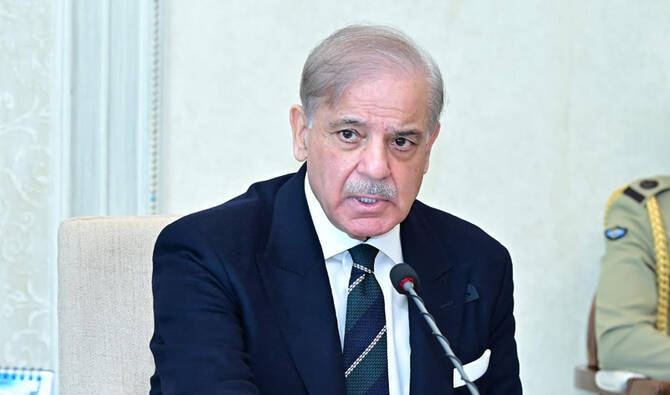

ISLAMABAD: Prime Minister Shehbaz Sharif has asked his administration to formulate a strategy for fuel conservation and austerity in government affairs within 48 hours after a sharp rise in global oil prices pushed the country to increase domestic fuel rates, a senior minister said on Saturday.
The directive comes a day after the government raised petrol and diesel prices by Rs55 ($0.20) per liter, citing a surge in international energy prices triggered by escalating conflict in the Middle East after Israel and the United States launched attacks on Iran. The situation has rattled global oil markets and threatened key shipping routes.
Pakistan’s Information Minister Ataullah Tarar said Sharif had instructed officials to urgently prepare a practical plan aimed at reducing fuel consumption and promoting austerity across government institutions.
“The prime minister has given 48 hours to formulate an actionable strategy on savings, austerity and simplicity in government affairs,” he said in a social media post on X.
Tarar said Finance Minister Muhammad Aurangzeb and Petroleum Minister Ali Pervaiz Malik had also been tasked with consulting the country’s four provincial chief ministers to coordinate measures against fuel hoarding and ensure strict enforcement of government directives.
He informed the ministers had been asked to ensure that speculation and profiteering in fuel markets were prevented, adding that authorities would take strict action against violators.
“The prime minister has directed that no leniency be shown to elements involved in exploiting the public,” he said, warning that licenses of those petrol pumps violating government orders could be revoked.
Tarar also urged the public not to pay attention to rumors regarding petroleum supplies or pricing, saying the government and relevant ministries would continue to release verified information as the situation evolves.
He said Pakistan was not alone in facing rising energy costs, noting that many countries were grappling with similar pressures due to volatility in global oil markets.
Pakistan relies heavily on imported fuel to meet its energy needs and is particularly vulnerable to global price shocks, which can quickly push up inflation and strain the country’s fragile external accounts.




