


RIYADH: For many expatriates, Saudi Arabia has become a second home. Ramadan in the Kingdom offers a spiritual experience that they say is difficult to match elsewhere.
“Staying here during Ramadan means you can visit the holy cities, perform Umrah and practice Ramadan rituals in an unmatched spiritual atmosphere. The Ramadan vibes here are amazing,” said Ayman Hassan, an Egyptian national working in Riyadh for several decades.
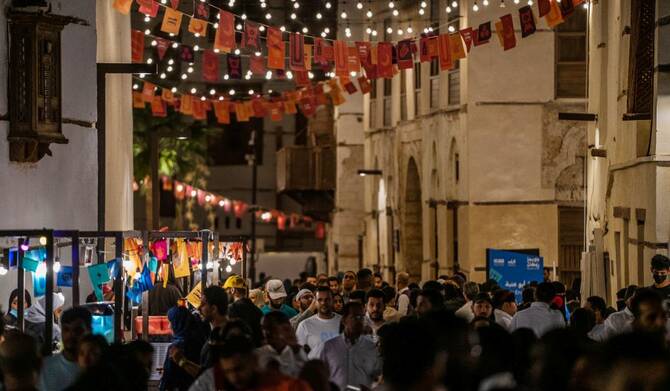
Reduced working hours, bustling night markets and community iftars add to the appeal, he said, making it preferable to remain in what he calls the “homeland of Islam” rather than travel back during the holy month.
Rumana Shahid, an Indian homemaker in Riyadh, echoed that sentiment.
“I can say from my experiences of over a decade here that there is no other place better than Saudi Arabia to spend time in Ramadan and celebrate its purity,” she said. “You can sense the Ramadan spirit here everywhere. The streets at night are packed and everything that is dull during the day comes to life in the night.”
For many, the ability to pray Taraweeh in congregation and travel to Makkah and Madinah during the month deepens the experience.
“For those who are new to the Kingdom, there is a lot to look forward to, for a whole new spiritual experience,” Shahid said.
“Markets are open till sahoor, there is the crowd bustling in the streets keeping the night alive and those that are shopping to prepare themselves for the culmination of the month-long celebration with the Eid Al-Fitr,” she added.
Syed Faiz Ahmad, a Pakistani expat working here for three decades, said that Ramadan was not just a religious observance but a cultural phenomenon, reflected in acts of spirituality and social bonding.
“Every Muslim anxiously waits for the advent of the holy month of Ramadan,” he told Arab News. “I am also very excited when Ramadan begins to knock on the door.”
Dr. Kifaya Ifthikar, a Sri Lankan working in Riyadh, said that her family’s iftar spread was a mix of Saudi and Sri Lankan flavors.
“A customary dish on Sri Lankan iftar tables is a porridge made with rice and coconut, often complemented by the addition of beef or chicken, along with a spicy chili sauce. Bringing it to our iftar table here with dates, and some Saudi delicacies, is a must,” she said.
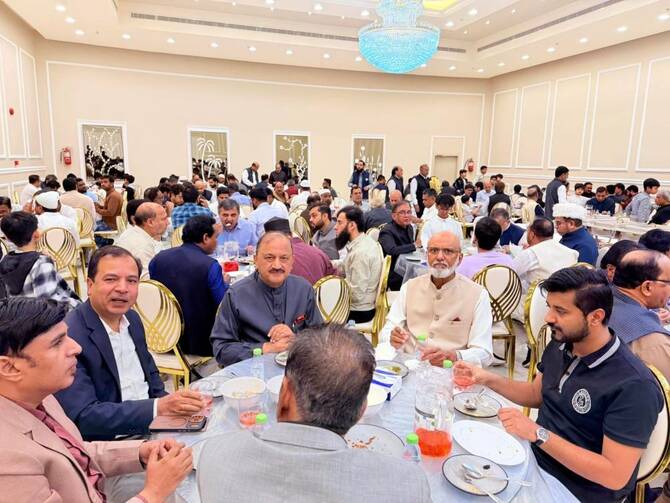
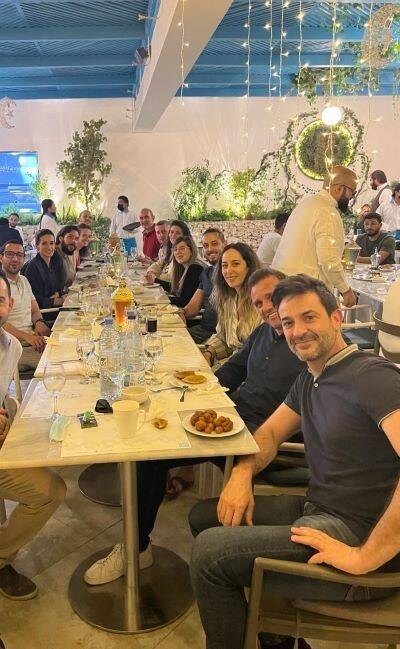
Many community organizations also organize iftar parties, enhancing community dining experiences.
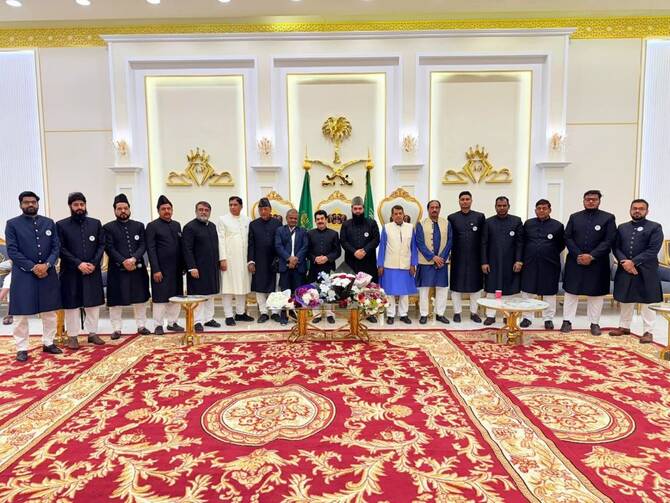
AMUOBA Riyadh, a nonprofit organization of the alumni of Aligarh Muslim University (India), organizes annual iftar parties.
Dr. Inamullah Baig, president of the organization in Riyadh, told Arab News, “It is a beautiful opportunity for all of us to come together in the spirit of unity, gratitude and brotherhood.”
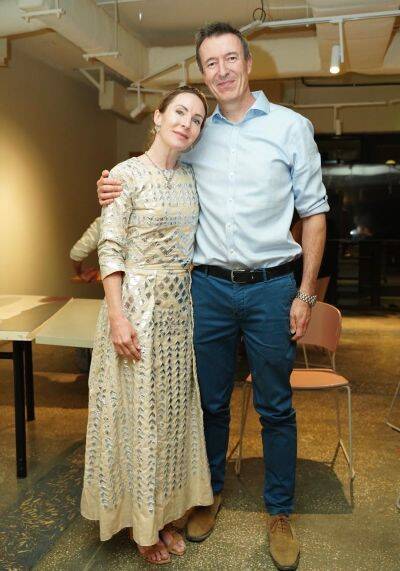
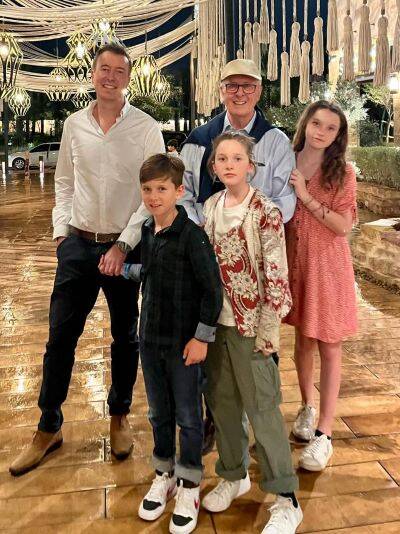
Ramadan in the Kingdom carries deep significance for non-Muslim residents as well. Ciara Phillips, a UK expat who has lived in Riyadh for five years, strings her house with lights, lanterns and Ramadan-themed decorations in preparation for a month that she has come to look forward to every year.
“There’s something about the rhythm of the season that draws you in, whether you’re fasting or not,” she said.
This year, Easter decorations are hung alongside them as there is a rare calendar overlap between Ramadan, the Lunar New Year and Lent, which all promote renewal, reflection and new beginnings— not to mention the distinctive atmospheres, rituals and traditional foods.
“Growing up Catholic, Lent was always about slowing down, giving something up, and paying more attention to the people around you,” Phillips said. “Ramadan, I’ve come to understand during my years in the Gulf, asks something remarkably similar. Both seasons were never really about what you give up. They’re about what you notice when you do. Both ask us to be a little more present. A little more human.”
As the schedule shifts during Ramadan, Phillips believes that this creates even more time during the day. “I walk the dogs, spend unhurried time with my husband and children, and somehow still manage to fit in iftar dinners and late-night art exhibitions,” she said. “It’s a wonderfully contradictory month — incredibly social, yet with this beautiful, quiet hush running underneath it all.”
“When an entire city is collectively pausing and reflecting, you can’t help but absorb some of that, regardless of your own faith,” she added.
What truly ties the holy month together is the sense of community. Families gather at the iftar table while friends catch up later for sahoor, creating more purposeful meetings that treasure the present.
Phillips says that she and her family often receive invitations for iftar from friends, colleagues and the communities she is part of here.
“There’s something about gathering around a table at that particular moment, after a day of fasting, just as the city holds its breath at sunset, that breaks down every barrier,” she said.
She recalls an iftar organized by Kingdom Creatives at Al-Mashtal last year: “Everyone brought a dish with them, and food became the conversation starter. It sparked so many introductions and new friendships.
“My children receive wonderful invitations, too, from their school friends. And their local international school has an annual iftar for the whole family with prayer, poetry and performance, and Ramadan-related crafts, activities and stalls. It makes the month feel very alive for our whole family.”


