UAE bourses slide as markets reopen after 2-day halt following Iran attacks  

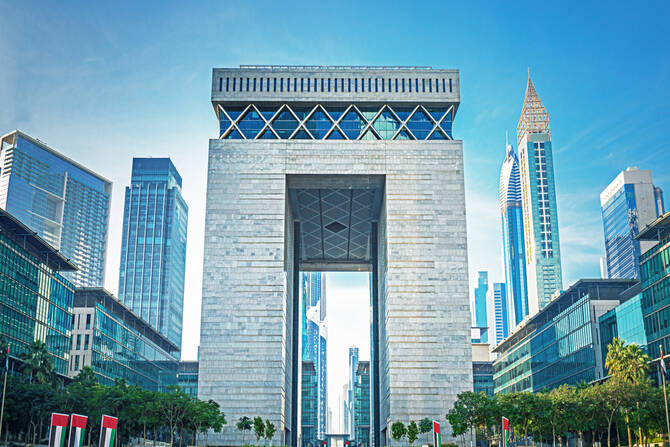
Dubai’s main share index slid 4.7 percent, its biggest intraday drop since May 2022. Shutterstock
Short Url
Updated 04 March 2026
Follow

UAE bourses slide as markets reopen after 2-day halt following Iran attacks  

BENGALURU: Dubai and ‌Abu Dhabi stocks tumbled on Wednesday as they reopened after a two-day ​halt following Iran’s unprecedented wave of missile and drone attacks on the Gulf nation on Sunday.

The closure froze trading in billions of dollars’ worth of listed assets as investors awaited ‌clarity on the ‌scale of damage ​from ‌the ⁠weekend ​strikes, which ⁠hit airports, ports and residential areas across both emirates.

Dubai’s main share index slid 4.7 percent, its biggest intraday drop since May 2022, in broad-based declines led ⁠by blue-chip developer Emaar Properties 4.9 percent, ‌while budget airliner ‌Air Arabia retreated ​5 percent.

In Abu ‌Dhabi, the index fell 3.6 percent, ‌also the steepest decline since May 2022, with the country’s biggest lender First Abu Dhabi Bank losing 5 percent.

Both exchanges ‌said they will temporarily set the lower price limit ⁠for ⁠securities at -5 percent.

In a separate statement, the Dubai Financial Services Authority said that Nasdaq Dubai would also resume trading on the day.

The Abu Dhabi Securities Exchange has instructed all listed companies to immediately assess their financial and operational exposure and promptly disclose ​any material ​information that could influence investor decisions.


Lloyd’s market engaging with US government over Gulf maritime plan, officials say

Updated 5 sec ago
Follow

Lloyd’s market engaging with US government over Gulf maritime plan, officials say

LONDON: The Lloyd’s of London market is engaging with the US government’s International Development Finance Corporation ​over a plan to provide political risk insurance and guarantees for maritime trade in the Gulf, Lloyd’s market officials said on Thursday.

“Lloyd’s is engaging constructively with the US Development Finance Corporation and relevant stakeholders, with a clear focus on ensuring that the Lloyd’s market continues to lead ‌as the global ‌center of excellence for ​war ‌risk ⁠insurance,” a ​Lloyd’s spokesperson ⁠said.

The Lloyd’s Market Association, which represents the interests of all underwriting businesses in the Lloyd’s market, welcomed the engagement of US President Donald Trump, its CEO Sheila Cameron said separately in a statement on Thursday.

“Since Sunday 1 March, there ⁠have been at least 40 transits of ‌vessels through the ‌Strait of Hormuz. There remain approximately ​1,000 vessels, approximately half of ‌which are oil and gas tankers, with ‌an aggregate hull value exceeding $25 billion in the Persian/Arabian Gulf and surrounding waters,” Cameron said, citing data.

Cameron added that the vast majority of these vessels were insured ‌in the London market and insurance “currently remains in place.”

Insurance broker Marsh said on ⁠Wednesday ⁠it had met with US officials to explore solutions for restoring maritime trade.

The US Navy could begin escorting oil tankers through the Strait of Hormuz if necessary, Trump said on Tuesday, adding he had ordered the International Development Finance Corporation to provide political risk insurance guarantees for maritime trade in the Gulf.

Earlier this week, London’s marine insurance market widened the area in the Gulf ​it deems as ​high risk as the conflict in the Middle East escalates.