- Kingdom runs on reversed clock for almost 30 days
- Commerce is following culture in cities
ALKHOBAR: The economy does not slow down in Saudi Arabia during Ramadan; it shifts almost entirely to the night.
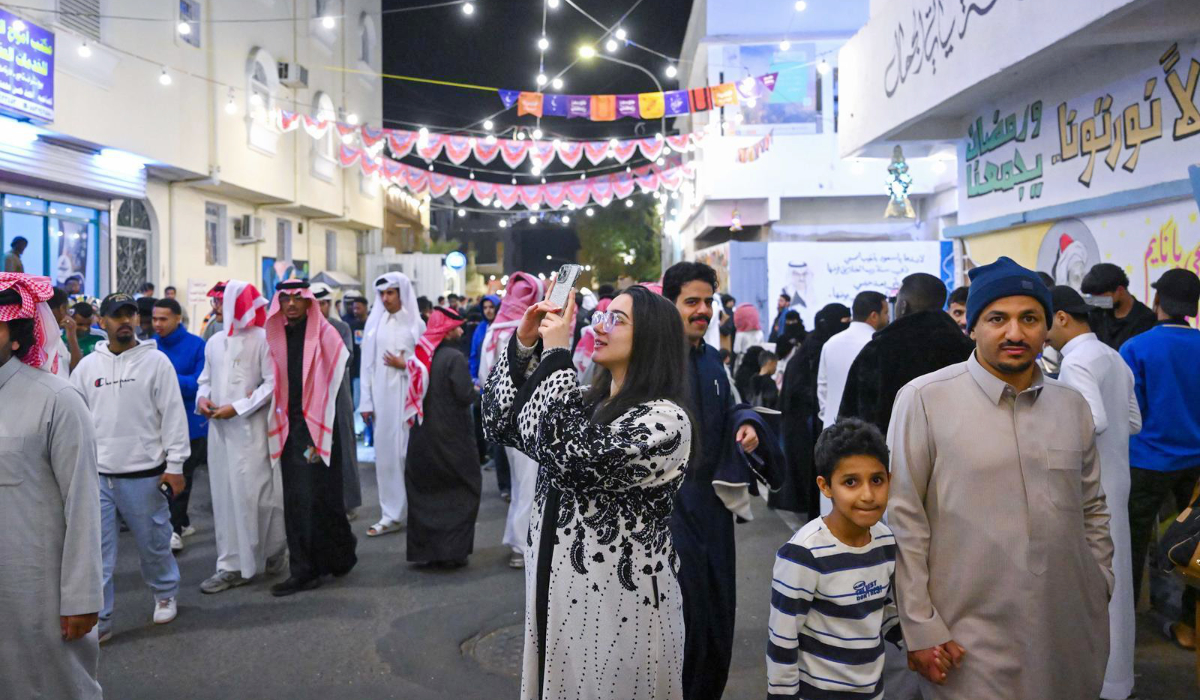
Between Taraweeh prayers and sahoor, commercial activity surges across major cities. Retail peaks at night; restaurants operate until dawn. Food delivery, dessert trucks and cafes report their highest footfall after midnight. For nearly 30 days the Kingdom runs on a reversed clock.
This is not anecdotal. A previous Arab News report on Ramadan consumer behavior showed a consistent rise in spending during the holy month, particularly across food, retail and hospitality sectors.
Another Arab News analysis of e-commerce trends described Ramadan as a “peak season” for digital platforms, with higher transaction volumes and increased late-night activity.
Across Riyadh, Jeddah and Dammam, streets that appear subdued before maghrib fill rapidly after evening prayers. Shopping malls extend hours; waterfront areas remain active well past midnight; Ramadan markets combine commerce and community.
The sectors that benefit most are food and beverage operators, seasonal vendors and small entrepreneurs.
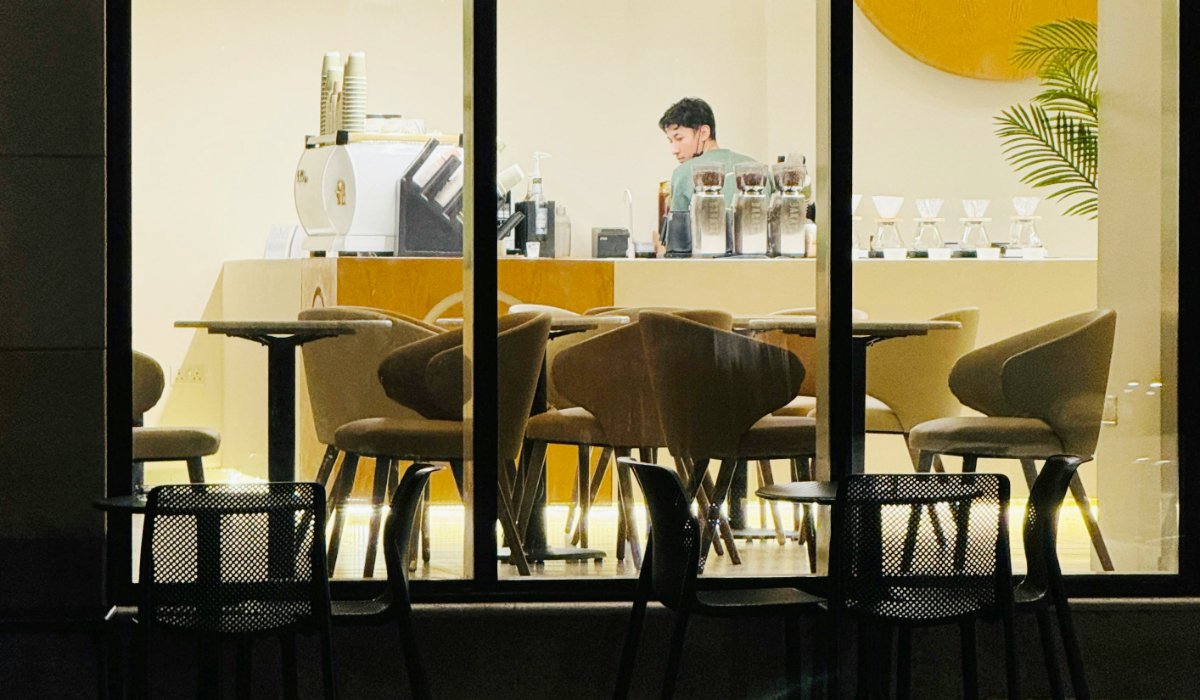
“After Taraweeh is when our real day begins,” said Fahad Al-Qahtani, who owns a specialty coffee shop in Alkhobar. “From 10 p.m. to 2 a.m. we see more traffic than during an entire weekday outside Ramadan. Customers stay longer and treat it as social time.”
The shift is rooted in energy patterns. Fasting slows movement during the afternoon. After iftar, energy returns — and with it, consumption.
“I don’t plan shopping during the day in Ramadan,” said Noura Al-Salem, a social media manager. “After iftar and prayers, I feel productive. That’s when I shop for Eid, meet friends or run errands.”
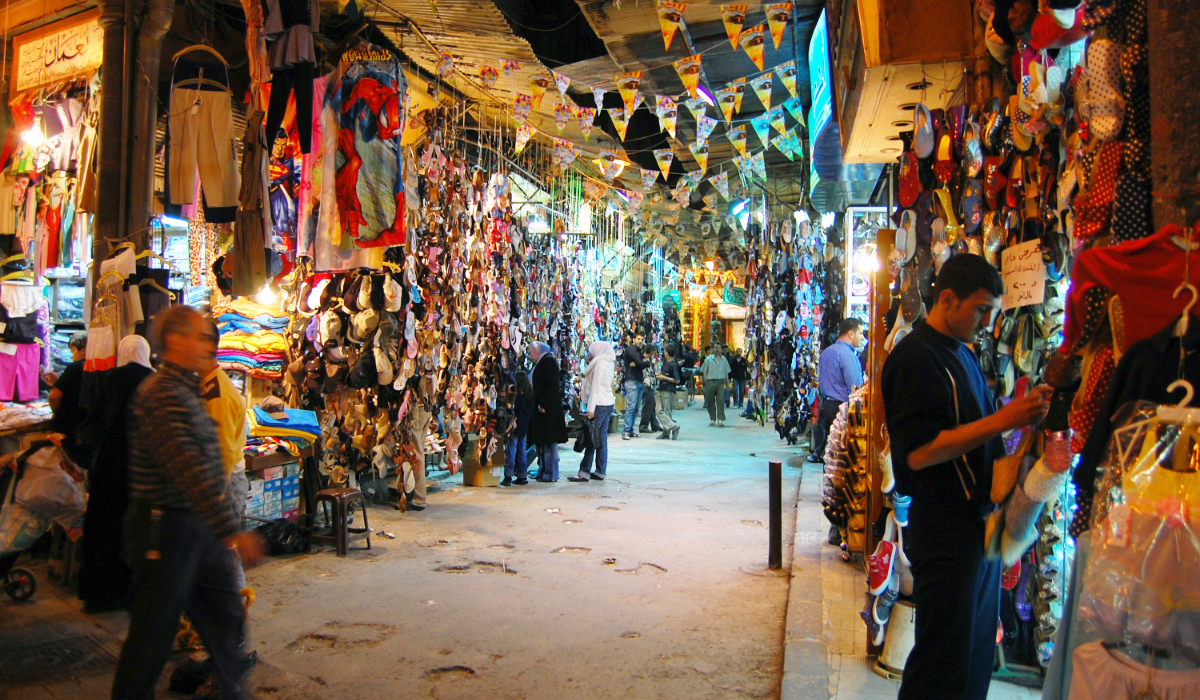
Retailers structure operations around this behavioral reset. Night shifts expand; promotions are timed after prayer hours. Seasonal inventory — lanterns, sweets, decor and gift sets — dominates window displays.
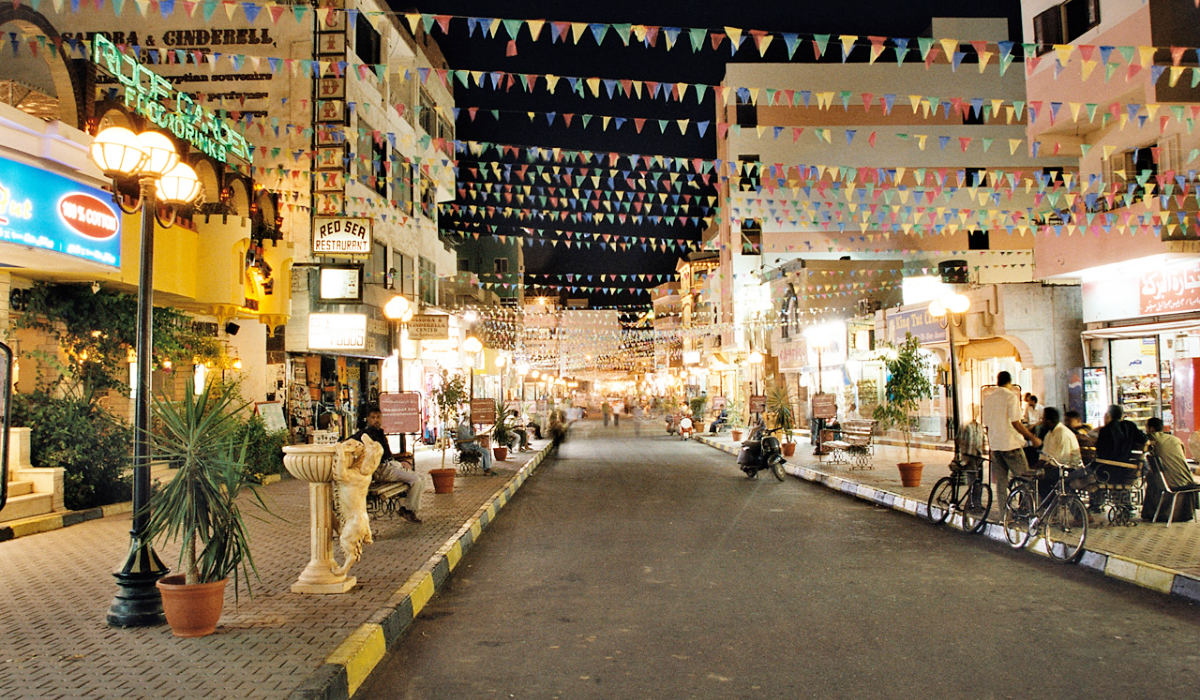
Ramadan is also the peak discount season across sectors. Banks introduce financing campaigns; clothing retailers launch seasonal collections alongside limited-time discounts; supermarkets compete aggressively on staple pricing, often releasing weekly Ramadan bundles.
For many retailers, Ramadan is not a spiritual slowdown: It is the most important commercial month of the year. Nowhere is the shift clearer than among small businesses and seasonal vendors. In the Kingdom’s cities, food trucks stationed near mosques and corniche areas report peak demand close to midnight.
“Families and friends come after prayers and stay,” said Rashed Al-Harbi, who operates a food truck along the waterfront. “Midnight feels like peak hour.”
Hessah Al-Dossari, who runs a home-style street food truck, said demand increasingly reflects demographic shifts. “Many people live alone,” she said. “During Ramadan they look for food that reminds them of home. That’s why we sell out faster.”
Digital behavior reinforces the pattern. A previous Arab News report on Ramadan spending highlighted steady growth in digital payments and mobile transactions during the holy month. Food delivery apps and online retail platforms see stronger late-night activity as daily routines reorganize around fasting.
In many countries night-time economies are driven by entertainment districts or tourism. In Saudi Arabia during Ramadan, they are driven by ritual. Prayer schedules define movement; family gatherings define spending. Cultural rhythm dictates commercial timing.
The question is whether this seasonal transformation signals something broader. As Saudi cities expand mixed-use districts and extended-hour retail under Vision 2030, Ramadan offers a live demonstration of how flexible urban economies can operate beyond traditional 9-to-5 models. Businesses that adapt quickly can benefit; those that do not can struggle.
Ramadan after dark is not simply atmosphere: It is a concentrated case study in behavioral economics. Energy shifts. Time shifts. Spending shifts.
The Kingdom is demonstrating how deeply commerce follows culture.