

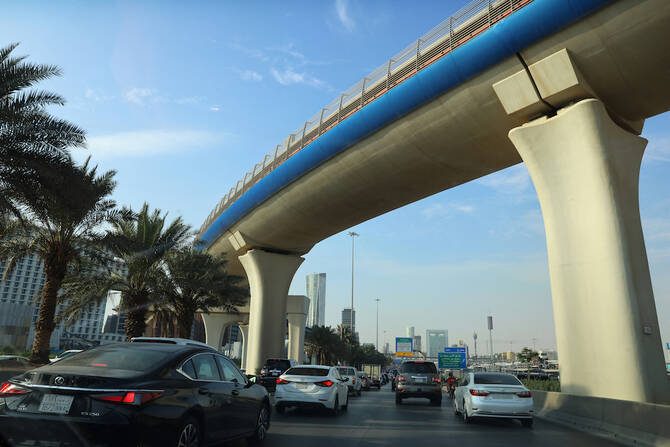

JEDDAH: Motorists are being urged to stay calm on the roads during Ramadan, with Saudi Arabia’s Roads General Authority warning that rushing during peak times before iftar means more serious traffic accidents.
The call was part of the authority’s iftar initiative to enhance road safety and reduce incidents, which also involved a large-scale volunteer effort to distribute thousands of meals to fasting motorists and pedestrians.
This takes place while vehicles are stopped, helping drivers avoid dangerous behaviors associated with hunger and fatigue.
Minutes before iftar, the streets become a race against time, with a constant blare of horns, increased speeds and palpable tension as drivers rush to get home and break their fast.
During this hour, accident rates rise significantly due to fatigue, haste and decreased concentration.
Arab News spoke with citizens, residents and experts about the phenomenon of road rage before iftar.
Nasser Al-Mutbagani, aged 52, a former Saudi Airlines employee, said it happened each year during Ramadan, especially shortly before sunset.
“I don’t understand why they behave like that because fasting is supposed to make them self-disciplined and not act rudely,” he said. “Hunger and the desire to arrive home quickly are the reason of this behind behavior but this is not justifiable.”
He stressed excessive speeding and reckless maneuvers endangers not only the drivers themselves, but also all road users.
Jordanian Imad Al- Salahba, who has lived in Jeddah for 12 years, said: “This happens not only here but everywhere. It’s unbelievable how people really lose control of their temper. I have seen fights on the road and among people waiting in lines in supermarkets, bakeries, restaurants and foul shops. It is wild out there in the afternoon and I really try to avoid going out immediately before iftar.”
He added: “It is better to avoid driving before iftar. It is dangerous out there; smokers especially get angry easily due to the depletion of nicotine in blood.”
Adnan Al-Jabri, aged 28, agreed reckless driving and road rage were common everywhere. He said: “Ramadan is a month of patience and tranquility, and that spirit should be reflected in our conduct on the road. Arriving a few minutes late for iftar is much better than causing an accident or hurting people.”
Clinical psychologist Dr. Fahmy Abduljawad said people developed anger issues because of a lack of sleep, hunger, traffic jams, low nicotine levels and, above all, working while fasting.
“Controlling temper becomes a problem in the minutes leading up to iftar,” he said. “People are hungry, tired, sleepy, dehydrated and on the run. The combined effects of all these are anger bouts and fights.”


