

 On Saudi Founding Day: A legacy of unity and intercultural dialogue shaping a shared global future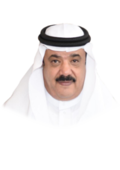

Intercultural dialogue serves as the foundation for forging resilient human connections rooted in profound understanding and mutual esteem. Today’s world is experiencing a level of cultural exchange never seen before, propelled by the forces of rapid globalization, massive technological breakthroughs that have created a global village, and simplified travel that has bridged the gap between nations. These combined elements make the enhancement of communication and dialogue between diverse civilizations an absolute imperative. Such engagement is vital for fostering peaceful coexistence and human integration— both of which are now essential for navigating the complexities of our era.
It is essential to recognize that cultural exchange does not, by any means, imply abandoning one’s cultural identity or merging into another culture. Every civilization has its own unique characteristics and deeply rooted identity that sets it apart. Rather, it is essentially a positive and constructive interaction that allows for the exchange of noble values, rich experiences, and accumulated wisdom across generations. This exchange is not limited to abstract knowledge but extends to arts and literature, sciences and innovations, and even different lifestyles. This interactive process directly contributes to enhancing opportunities for the comprehensive development of our societies, while simultaneously significantly reducing conflicts and disputes that often arise from misunderstandings, prejudices not based on genuine knowledge, or even negative stereotypes.
Valuing diverse cultures and comprehending their historical, religious, and social contexts forms the foundation for establishing trust between nations. By understanding the motivations behind different mindsets and traditions, we gain a broader perspective that transcends superficial engagement. This mutual insight significantly bolsters global peace and international stability by dismantling the barriers of ignorance and creating fresh opportunities for collaboration.
In this context, a range of parties and institutions play an essential role in promoting this type of communication.
Cultural and educational institutions serve as the fundamental incubators for developing the consciousness of future generations. By implementing curricula that explore diverse civilizations, facilitating exchange programs for students and educators, and maintaining cultural centers that host global events, the principles of tolerance and openness are established early in life. The instruction of foreign languages, for instance, provides a direct portal for comprehending and engaging more profoundly with other cultures.
The media has immense influence in shaping public opinion. When the media presents positive and objective images of different cultures and highlights shared human values, it contributes to breaking down stereotypes and promoting acceptance of others. Even social media platforms can be powerful tools for spreading cultural awareness.
International events, such as conferences, intellectual forums, cultural and artistic exhibitions, and international festivals, serve as vibrant platforms for bringing people together. These events not only showcase the artistic or scientific achievements of each culture but also provide opportunities for direct interaction between individuals from diverse backgrounds, highlighting their commonalities and promoting values of tolerance, openness, and broad cooperation. They also contribute to building human networks that transcend geographical boundaries.
The Kingdom of Saudi Arabia has recognized the importance of this vital communication, and based on its firm belief in its civilizational role as a center of cultural influence, it established the King Abdulaziz Center for Cultural Communication. This center, along with other initiatives, reflects a deep conviction about the importance of enhancing the positive image of the Kingdom and its people, and building strong cultural ties with the peoples of the world. These efforts are perfectly aligned with Saudi Vision 2030, which emphasizes cultural openness, diversity, and the integration of the Kingdom’s civilizational roles on the global stage. The Kingdom’s hosting of major international events, its promotion of cultural tourism, and its investment in knowledge exchange are all practical steps toward achieving this goal.
The world today is in urgent need of strengthening intercultural communication, not only to enhance mutual understanding but also to confront shared challenges that transcend borders and cultures. Issues such as climate change, global pandemics, poverty, terrorism, and refugee crises can only be resolved through concerted humanitarian efforts and coordination and cooperation at both the regional and international levels. Intercultural communication is not merely a cultural luxury; it is an essential tool for understanding, a vital platform for exchanging knowledge and experiences, and a powerful means of promoting the shared human values that unite people despite their different languages, colors, and cultural backgrounds. It allows us to learn from each other’s experiences and benefit from best practices to achieve collective progress.
The creation of a more compassionate and equitable world — where peace and prosperity are shared by all — starts with a profound conviction in the value of intercultural dialogue and mutual respect. This vision demands that we learn from diverse cultures, appreciate the richness that diversity brings to the human experience, and, above all, collaborate effectively toward a sustainable, common future. Ultimately, investing in intercultural dialogue is a direct investment in the future of all humanity.
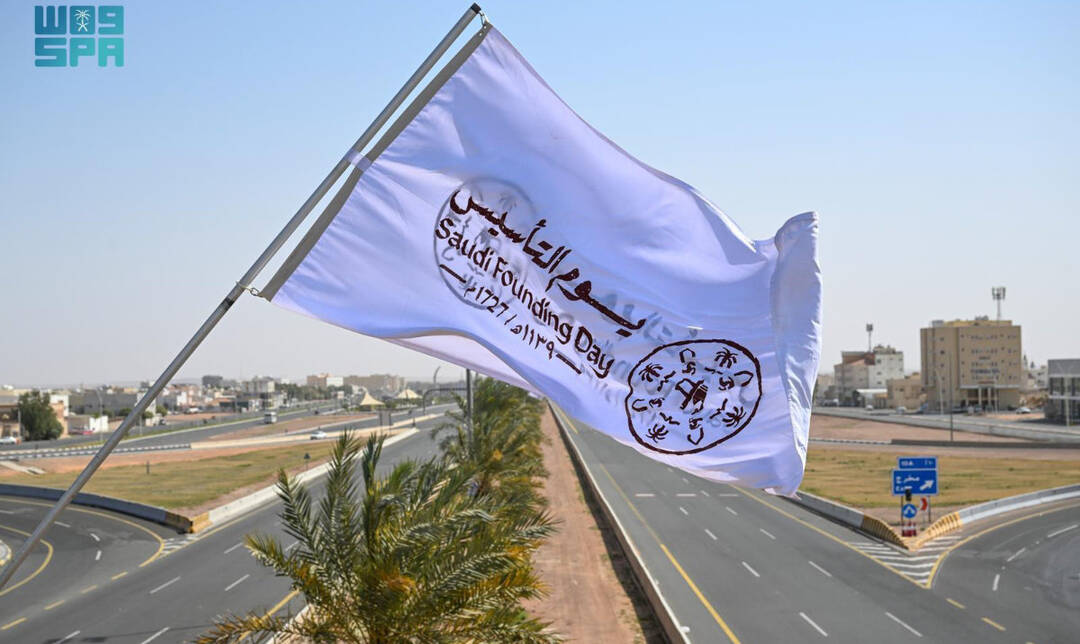
In conclusion, as the Kingdom of Saudi Arabia celebrates its Founding Day, this historic milestone stands not only as a moment of national pride but as a testament to a civilizational vision built on unity, dialogue, and mutual respect. From its earliest foundations, the Saudi state fostered coexistence among diverse communities, laying the groundwork for stability, progress, and cultural openness. Today, this enduring legacy continues to shape the Kingdom’s leadership in promoting intercultural communication, strengthening global partnerships, and advancing shared human values in alignment with Vision 2030. By honoring its roots while actively engaging the world, Saudi Arabia reaffirms its role as a bridge between civilizations and a driving force for peace, understanding, and sustainable global cooperation.
• Professor Abdullah bin Mohammed Al-Fawzan is the secretary general of King Abdulaziz Center for Cultural Communication.


