Pakistan increases Reko Diq investment to $244 million as Barrick reviews project

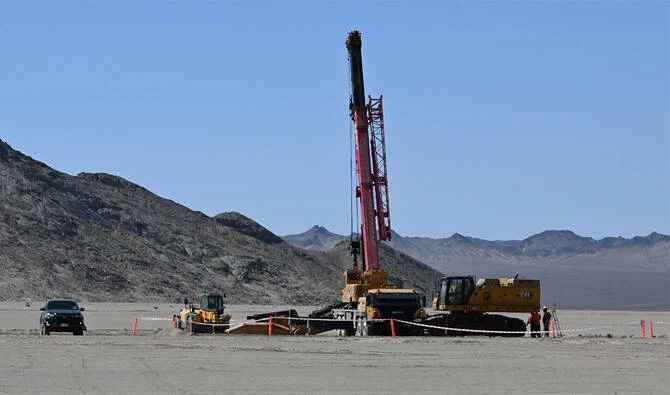
Heavy machinery operates at Reko Diq site in Balochistan on April 8, 2025. (Barrick Mining Cooperation)
Short Url
Updated 19 February 2026
Follow

Pakistan increases Reko Diq investment to $244 million as Barrick reviews project

  • State-owned PPL injects $50.2 million more in special purpose vehicle formed to manage Islamabad’s 25 percent stake in copper-gold mine
  • Canadian operator Barrick Mining Corporation this month ordered project’s review following deadly separatist attacks in Balochistan province

KARACHI: The state-run Pakistan Petroleum Limited (PPL) has invested an additional Rs14 billion ($50.2 million) equity in the multi-billion-dollar Reko Diq copper-gold mine, the company said in its latest financial report on Thursday, as the project’s Canadian operator reviews the project following recently deadly attacks. 

Canada’s Barrick Mining Corporation owns a 50 percent share in Reko Diq in the southwestern Balochistan province, along with three Pakistani federal state-owned enterprises including PPL that own 25 percent, while the Balochistan government has the remaining 25 percent share in the project.

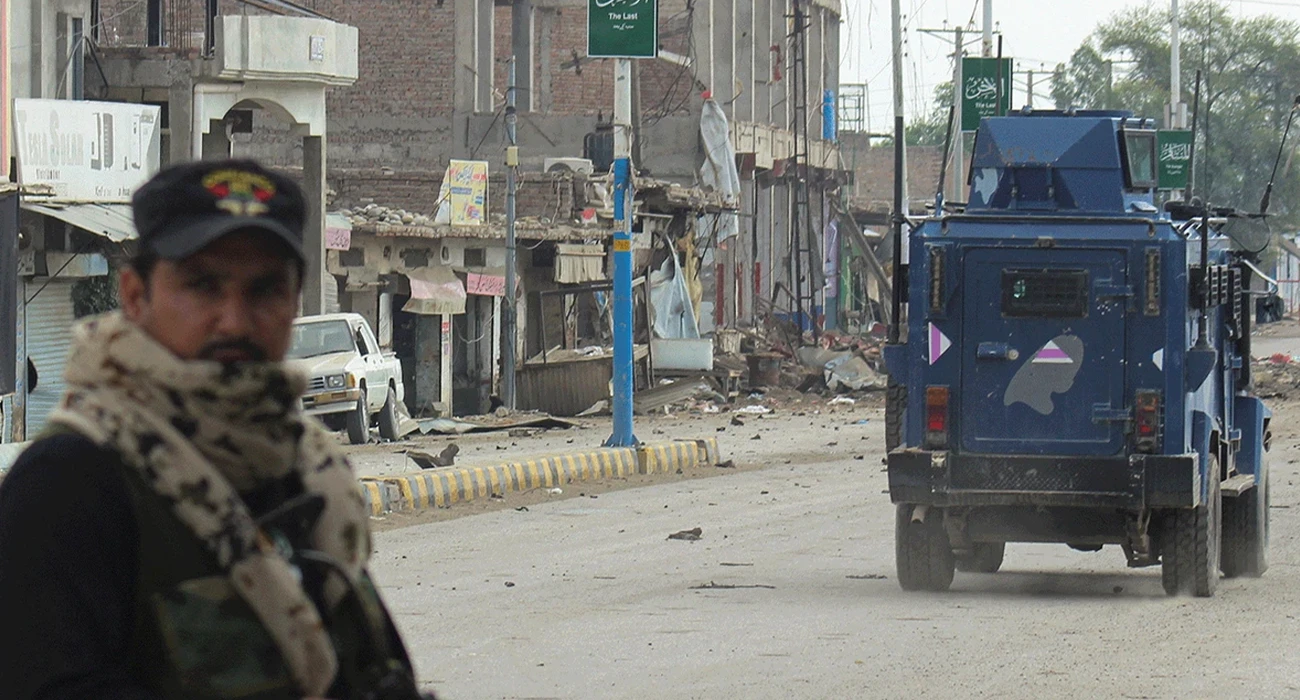
The Canadian company announced earlier this month it planned to “immediately” begin a comprehensive review of all aspects of the Reko Diq project following coordinated attacks in Balochistan on Jan. 30-31 that killed 36 civilians and 22 security forces personnel. 

“With respect to the Reko Diq project, the company has made further equity investment in Pakistan Minerals Private Limited (PMPL) during the period amounting to Rs14,025 million ($50.2m),” PPL told its shareholders in its financial statement for the half year ending at Dec. 31.

The additional equity has increased PPL’s total cost of investment in the PMPL to Rs68.1 billion ($243.6 million), it added. 

The PMPL is a special purpose vehicle formed to manage the federal government’s 25 percent stake in the Reko Diq project. It is a consortium of three state-owned enterprises (SOEs) namely the PPL, the Oil & Gas Development Company Limited (OGDCL) and Government Holdings (Private) Limited (GHPL) which is responsible for handling financing, equity contributions and strategic, legal or technical dealings with partners like Barrick.

“The project continued to advance site works during the period (July-December FY26),” the PPL said. “The operator (Barrick) is undertaking a review of all aspects of the project, including with respect to the project’s security arrangements, development timetable and capital budget.” 

This week, Balochistan Chief Minister Sarfraz Bugti assured investors that Pakistan has the “capacity and capability” to secure the Reko Diq project amid surging militancy. 

The PPL explores, drills, and produces oil and natural gas. Its current portfolio, together with its subsidiaries and associates, consists of 47 exploratory blocks that include one offshore Block-5 in Abu Dhabi and one onshore block in Yemen.

In December, PPL signed a strategic Deed of Assignment under which it assigned 25 percent of its participating interest (PI) and operatorship of Eastern Offshore Indus C block to Turkish Petroleum Overseas Company, a unit of state-owned Türkiye Petrolleri Anonim Ortaklığı.

Assigning 20 percent PI each to OGDCL and Mari Energies Limited, the company has retained the remaining 35 percent PI to play a key role in the block’s development. 

At least 13 civilians killed in Pakistan strikes in Afghanistan, UN says

Updated 23 February 2026
Follow

At least 13 civilians killed in Pakistan strikes in Afghanistan, UN says

  • Pakistan said it launched the strikes after blaming recent suicide attacks on militants operating from Afghan territory
  • The reported toll adds to fears of a renewed cycle of retaliation between the neighbors, threatening a fragile ceasefire

ISLAMABAD/KABUL: At least 13 civilians ‌were killed and seven injured in Pakistani airstrikes in eastern Afghanistan, the United Nations said on Monday, as cross-border tensions escalated following a string ​of suicide bombings in Pakistan.

The reported toll adds to fears of a renewed cycle of retaliation between the neighbors, threatening a fragile ceasefire along their 2,600-km (1,600-mile) frontier and further straining ties as both sides trade blame over militant violence.

The United Nations Assistance Mission in Afghanistan (UNAMA) said it had received “credible reports” that overnight Pakistani airstrikes on February 21–22 killed at least 13 ‌civilians and injured ‌seven in the Behsud and Khogyani ​districts ‌of ⁠Nangarhar province.

Taliban ​spokesman Zabihullah ⁠Mujahid earlier reported dozens killed or wounded in the strikes, which also hit locations in Paktika province. Reuters could not independently verify the reported toll.

Pakistan said it launched the strikes after blaming recent suicide attacks, including during Ramadan, on militants operating from Afghan territory.

Pakistan’s information ministry in a post on X said ⁠the “intelligence-based” operation struck seven camps of the Pakistani Taliban ‌and Daesh (Islamic State) Khorasan Province ‌and that it had “conclusive evidence” the militant ​assaults on Pakistan were directed ‌by “Afghanistan-based leadership and handlers.”

Kabul has repeatedly denied allowing militants ‌to use Afghan territory to launch attacks in Pakistan.

The strikes took place days after Kabul released three Pakistani soldiers in a Saudi-mediated exchange aimed at easing months of tensions along the border.

Afghanistan’s defense ministry condemned ‌the strikes and called them a violation of sovereignty and international law, saying an “appropriate and measured ⁠response will ⁠be taken at a suitable time.” The Afghan foreign ministry said it had summoned Pakistan’s ambassador.

In a statement on the February 21-22 strikes, Afghanistan’s education ministry said eight school students; five boys and three girls, were killed in Behsud in Nangarhar province, and one madrasa student injured in Barmal in Paktika province, adding that dozens of other civilians were killed or wounded and educational centers destroyed. Reuters could not independently verify the information.

The latest strikes follow months of clashes and repeated border closures ​that have disrupted trade ​and movement along the rugged frontier.