

 Milan’s Winter Olympics: snow, speeches and the promise of peace
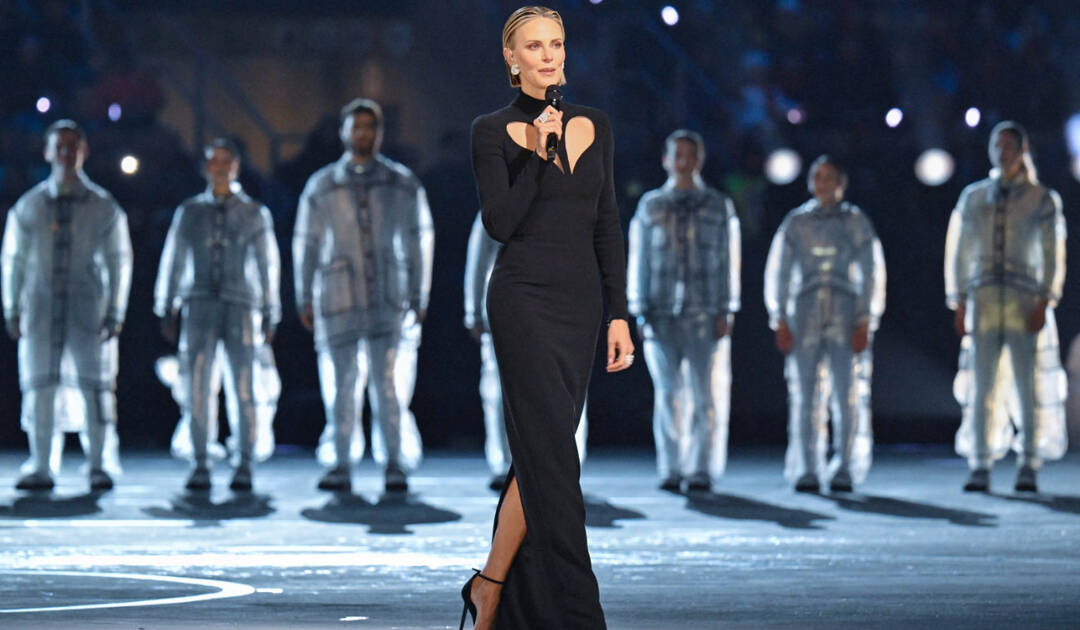

As I watched the 2026 Winter Olympics opening ceremony unfold in Milan’s San Siro Stadium, I was struck not just by the athletic pageantry, but by the resonance of a message that seemed written for our moment: that sport can be a canvas for peace.
At the ceremony, Oscar‑winning actress and UN Messenger of Peace Charlize Theron delivered an impassioned reflection on peace and unity, quoting South African leader Nelson Mandela to remind the world that “peace is not just the absence of conflict, it is the creation of an environment where all can flourish, regardless of race, creed, gender or belief.”
I would also add that peace is justice in action, understanding over judgment, and compassion that lights the way through darkness.
This starts with you first, then spreads in a ripple effect to the world, to humanity, to all species, and to our beloved planet.
Theron’s words, elegant and timely, echoed across the stadium and around the globe, serving as a radiant prelude to a narrative many of us are telling today: that the Olympic movement’s value extends far beyond medals.
The Olympics espouse the core values of excellence, respect and friendship, and through the modern Olympic Truce, they invite us to reimagine sport as a bridge between nations, cultures and generations.
No Winter Olympics has ever been hosted in the Arabian Peninsula, the broader Middle East, or North Africa, but the day will come when the Asian Winter Olympics are hosted in Saudi Arabia, and it will align beautifully with Olympic values
Among those present at this moment were voices that speak to the deeper promise of peace, including young leaders from Africa.
One of the most beautiful images was that of Maryam Bukar Hassan, the Nigerian spoken-word artist who is the United Nations’ Global Advocate for Peace, bearing the Olympic peace flag.
Her presence was not just symbolic but generational: here was a young African woman using poetry and performance to champion peace, inclusion and mutual respect, a reminder that the Olympic ideal thrives when young people lead with creativity and courage.
Hassan’s work, grounded in lived experience and global engagement, reminds us that peacebuilding is not just a diplomatic mission but a cultural and artistic one, blending artistry with advocacy, and illuminating the role of youth and women in shaping a more peaceful world.
As this year’s Winter Olympics unfold, they also highlight the inspiring story of Saudi Arabia’s team.
The Kingdom, a nation not traditionally associated with snow or ice, made its debut in Beijing 2022 with alpine skier Fayik Rifat Abdi, and returned at Milan‑Cortina 2026 with Abdi in alpine skiing and Rakan Alireza in cross‑country skiing.
These appearances are historic milestones for the Gulf region, demonstrating that courage and vision can create opportunities for athletes from all climates.
No Winter Olympics has ever been hosted in the Arabian Peninsula, the broader Middle East, or North Africa, but the day will come when the Asian Winter Olympics are hosted in Saudi Arabia, and it will align beautifully with Olympic values.
Hosting the Games in the region would celebrate excellence in preparing and performing, respect for diverse cultures and environments, and friendship by welcoming athletes and spectators from every corner of the world to a new winter stage.
This brings us to Almaty’s landmark role as host of the 2029 Asian Winter Games. Originally awarded to Saudi Arabia’s Trojena in Neom, which would have been the first such event in the Arabian Peninsula, the hosting contract for 2029 ultimately moved to Almaty, Kazakhstan.
The city, nestled among snow-capped mountains and home to unique ecosystems, offers an extraordinary stage for winter sport and an opportunity to connect competition with environmental peacebuilding.
Almaty’s mountains are home to the elusive snow leopard, a majestic creature often called the “ghost of the mountains.”
Across cultures in Central Asia, snow leopards are seen as symbols of peace, resilience and harmony with nature.
Connecting the Games to awareness about snow leopards is a poetic, living reminder that peace and inclusivity extend to all species, linking environmental stewardship to human solidarity.
Also, in some Afghan highlands, artisans even carve snow leopard motifs alongside the word peace as a talisman, reminding us that peace extends beyond humanity to all species, and that protecting nature is part of building a peaceful world.
Connecting the Games to awareness about snow leopards is a poetic, living reminder that environmental stewardship and inclusivity are intertwined with the Olympic values of respect, friendship and excellence.
As we congratulate Almaty on securing this milestone and look forward to the Asian Winter Games, we also celebrate the Olympic movement’s long history of promoting peace through sport.
From ancient stadia to snow-lined slopes, the Games remain a platform where shared humanity takes center stage, where young voices like Hassan’s and heartfelt messages such as Theron’s remind us what sport can achieve.
May future Games continue to weave together sport, environmental stewardship, youth empowerment and peacebuilding, illuminating a world where every athlete’s stride contributes to understanding, and where every cheer echoes with the promise of a more peaceful tomorrow, with passion for each other, for all species and for the fragile world we share.
• Abeer Al-Saud specializes in multilateral engagement, cultural diplomacy and peacebuilding through a systems-thinking lens. She was the first Arab selected for the Explorers Club 50 (2025), and is a Club of Rome member, Karman Project fellow and expert member of the World Economic Forum.


