- Pakistan has more than 130 million broadband connections, but access remains uneven despite increasing IT exports
- Pakistani Internet users currently operate on about 274 MHz of spectrum, compared to around 600 MHz in Bangladesh
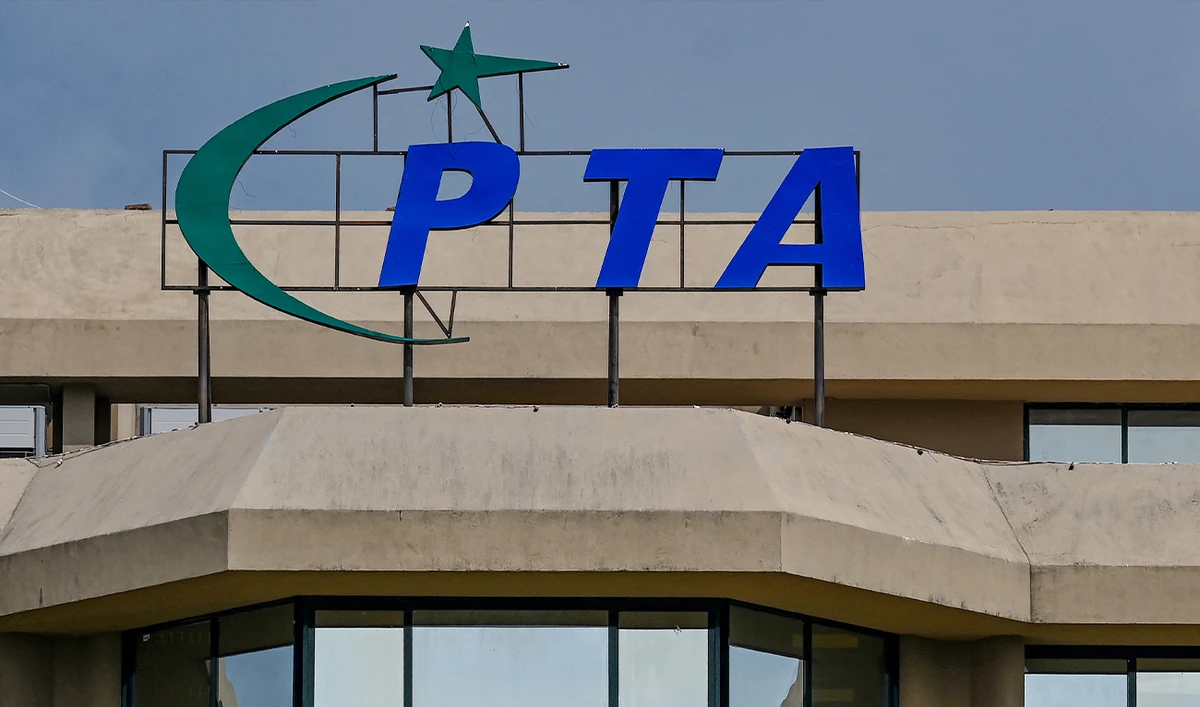
ISLAMABAD: The Pakistan Telecommunication Authority (PTA) on Thursday announced that it will hold a 5G spectrum auction in March, a move aimed at improving Internet speeds and connectivity in the South Asian country.
The development comes at a time of mounting pressure on Pakistan’s telecommunication networks and Internet service providers, with users and businesses complaining of slow speeds and frequent disruptions as a limited spectrum struggles to serve the South Asian nation of over 240 million.
Pakistan has more than 130 million broadband connections but access remains uneven, though its IT exports reached a record $3.8 billion in Fiscal Year 2024–25, up from $3.2 billion the previous year, marking an 18 percent year-on-year increase, according to the Pakistan Software Export Board.
The PTA said the spectrum auction for Next Generation Mobile Services/5G will be held on March 10, following constructive regulatory coordination and extensive stakeholder consultations, aimed at ensuring a smooth, transparent, and well-participated auction process.
“The confirmed timeline provides telecom operators and prospective bidders with adequate preparation time and reflects PTA’s commitment to facilitating optimal participation while ensuring full alignment with procedural and regulatory requirements,” the authority said.
It urged all interested parties to review the information memorandum for NGMS/5G in Pakistan and stay informed through updates on the PTA website.
Information Technology (IT) Minister Shaza Fatima Khawaja last month said the quality of Internet service in Pakistan is not at par with international best practices or even regional standards, and one of the fundamental reasons for this was the non-availability of the spectrum.
Pakistani Internet users currently operate on about 274 MHz of spectrum, compared with around 600 MHz in Bangladesh, that leads to congestion, she told a news conference on Dec. 23, likening the situation to “trying to run eight lanes of traffic through two lanes.”
She said the spectrum auction will help improve Internet services in the country.