Pakistan tightens private Hajj scheme for 2026 after thousands miss pilgrimage

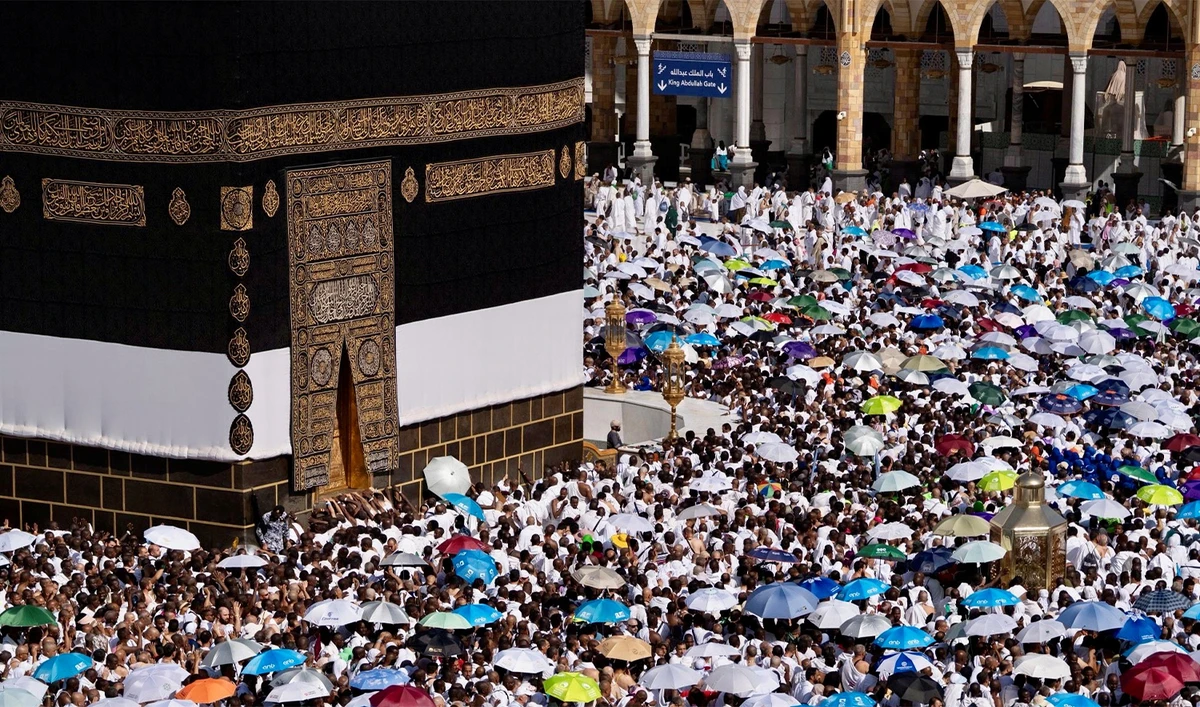
Muslim pilgrims perform Tawaf in the grand mosque, during the annual hajj pilgrimage in the holy city of Makkah, Saudi Arabia, on June 6, 2025. (REUTERS/File)
Short Url
Updated 29 January 2026
Follow

Pakistan tightens private Hajj scheme for 2026 after thousands miss pilgrimage

  • Saudi Arabia awarded Pakistan ‘Excellence Award’ for overall Hajj 2025 arrangements
  • The government says it refunded $12.5 million to pilgrims who went to Hajj last year

ISLAMABAD: Pakistan said on Wednesday it had tightened regulations for private Hajj operators for the 2026 pilgrimage after thousands of pilgrims were unable to travel last year, as the government moved to curb mismanagement and ensure refunds for affected applicants.

Federal Minister for Religious Affairs and Interfaith Harmony Sardar Muhammad Yousuf told the media in Islamabad that the private Hajj quota had been reduced and an investigation carried out on Prime Minister Shehbaz Sharif’s instructions.

The announcement came even as Pakistan received Saudi Arabia’s “Excellence Award” for its overall arrangements during Hajj 2025, while authorities said they had refunded Rs 3.5 billion ($12.5 million) to pilgrims who performed Hajj in 2025.

“Last year, 60,000 pilgrims were unable to perform Hajj under the private Hajj scheme, prompting the Prime Minister to order inquiries,” Yousuf said. “Consequently, the private Hajj quota has been reduced this year.”

He said private operators had been directed to prioritize pilgrims who were left behind last year and had yet to receive refunds, adding that full refunds would also be ensured for pilgrims unable to travel on medical grounds or under the hardship quota.

Yousuf said the government had expanded the “Pak Hajj App” and extended Saudi Arabia’s Makkah Route Initiative to Karachi to reduce travel and immigration difficulties for pilgrims.

He added that new regulations for Umrah and religious travel were being finalized to protect pilgrims from exploitation by private operators and to fully digitize the system.

The minister also said women who were confident of performing Hajj and Umrah without a male guardian could do so, with separate groups now being formed, while certificates would be mandatory for women traveling alone.

Responding to another question, Yousuf said no member of parliament or standing committee was being provided free Hajj or Umrah by the ministry, adding that all officials would bear their own expenses.
Pakistan telecom regulator urges restraint on social media amid regional tensions

Updated 28 February 2026
Follow

Pakistan telecom regulator urges restraint on social media amid regional tensions

  • PTA warns against sharing unverified content, says legal action may follow ‘fake news’
  • Advisory comes as Pakistan strikes targets in Afghanistan and Iran faces US, Israeli attacks

ISLAMABAD: Pakistan’s telecom regulator on Saturday urged citizens to avoid sharing “unverified or inflammatory” content online, warning that legal action could be taken against those spreading misinformation amid what it described as a “sensitive national situation.”

The advisory from the Pakistan Telecommunication Authority (PTA) comes as Islamabad says it is targeting militant positions inside Afghanistan following a recent flareup between the two neighbors, while Iran is under attack by the United States and Israel in an escalating regional conflict that has heightened security concerns across South and West Asia.

“In view of the prevailing sensitive national situation, Pakistan Telecommunication Authority (PTA) urges all citizens to be responsible while using social media and digital platforms,” the regulator said in a statement posted on X.

The PTA advised citizens “not to share, disseminate, forward, or upload any unverified, inflammatory, or misleading information/content that may directly or indirectly harm the national interest, public order, or state institutions.”

It said people should instead rely on authentic information based on official sources and refrain from spreading rumors and “fake news.”

“Sharing any fake news/information is liable to legal action in accordance with applicable laws,” the authority said, calling on citizens to act with “caution, maturity, and a strong sense of national responsibility” to help maintain stability and public confidence.

Pakistan in recent years has witnessed increasingly stringent implementation of the Prevention of Electronic Crimes Act (PECA), a cybercrime law that has drawn criticism from rights groups, with journalists and activists arrested and prosecuted under its provisions.