

 Arrogance of glass belongs in the past
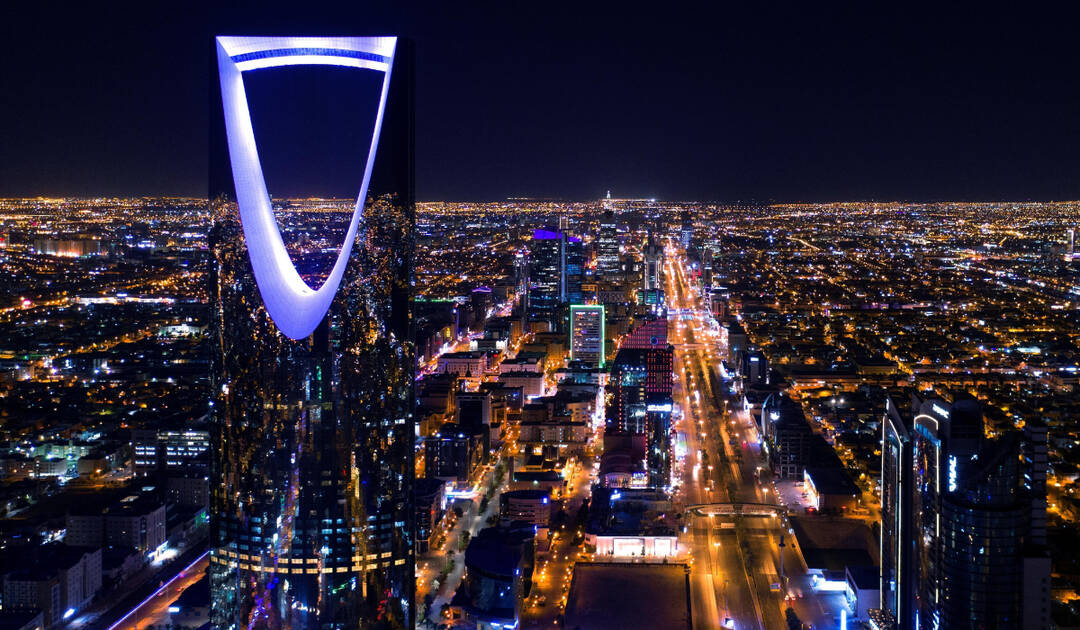

Look at the skyline of any modern Gulf city and you will see a contradiction. Shimmering glass towers rise from the sand, reflecting the sun with dazzling, defiant brightness. For decades, this aesthetic was sold as progress. The glint of steel and the hum of industrial air conditioning were accepted as the inevitable soundtrack of a modernized Kingdom. We were told that to go “green,” we needed complex algorithms, imported photovoltaics, and smart sensors to manage the heat we invited in.
We were wrong.
Imposing a temperate European architectural logic onto a harsh Arabian ecosystem was a quiet error. We sealed ourselves in glass boxes that fight the sun rather than dance with it, ignoring the climatic reality outside our windows. True sustainability in the Saudi ecosystem will not be found in a microchip or a foreign import; it is buried in the mud walls of Diriyah and the wind towers of Jeddah’s Al-Balad.
Sustainability must stop being treated as a product to buy and start being treated as a heritage to reclaim. The Bedouin and the urbanites of old Arabia were the original environmentalists — not out of ideology, but out of necessity. They mastered passive cooling, shade orientation, and thermal mass centuries before LEED certification existed.
The most exciting element of the giga-projects defining Vision 2030 is not the technology; it is the philosophical pivot back to nature. It is the realization that mud brick, compressed and modernized, often offers better insulation than the most expensive triple-glazed curtain wall. This is “retro-innovation.” It is the understanding that the future does not have to look like science fiction to be advanced.
Discussions of the “green” economy in the Middle East have become too sterilized. We talk about carbon credits and circular economies — necessary concepts, yes, but they often lack soul. The climate conversation needs to be humanized. We must pivot from “high-tech” to “high-sense.”
Consider a future Riyadh where buildings do not just consume energy to stay cool but breathe like living organisms. Imagine urban planning that mimics the narrow, shaded alleyways of our ancestors, forcing the wind to accelerate and cool streets naturally, rather than wide asphalt boulevards that bake in the noon heat.
This is not a call for nostalgia or a suggestion to live in the past. It is an argument that the most cutting-edge move we can make is to marry the computational power of AI with the bioclimatic brilliance of our history. We possess a unique “Saudi soft power” that the world is desperate for: the knowledge of how to thrive in heat. As the rest of the planet warms, the global north is looking to us. They should not be looking at our solar panels; they should be looking at our vernacular architecture.
We must stop apologizing for our climate and start designing for it. The future is not a glass box. The future is earthen, shaded, and undeniably ours.
• Abdulelah S. Al-Nahari is the group head of marketing and business development at a diversified investment group. He leads market expansion and brand strategies for subsidiaries in the events, MarCom, and hospitality technology sectors, aligning portfolio growth with Saudi Arabia’s evolving economic landscape.


