



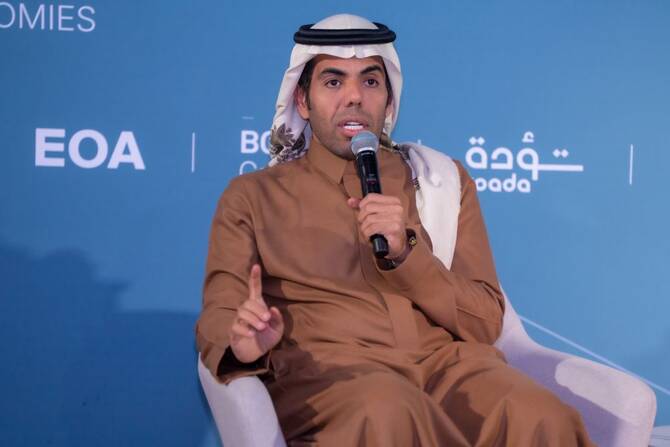

RIYADH: During the inaugural local edition of the UKSA Creative Forum in Riyadh on Tuesday, Lord Ed Vaizey and businessman Abdulaziz Al-Muqyteeb laid the groundwork for enhanced Saudi-UK creative collaboration.
Vaizey, who was formerly the UK’s culture minister, stressed the importance of collaboration between the two countries.
“The British creative economy can learn as much from Saudi, as Saudi can learn from the British,” he told Arab News.
“I think for too long in the West, there’s been this feeling that we should go over to Saudi and tell people what to do, and now, actually, I think it has got to a stage where we want to see many more Saudi people coming to London and telling us about the incredible innovations that they are introducing in the world of culture.”
“It’s a coming together of people, British people who love Saudi and hopefully Saudi people who love Britain, exchanging ideas.”
Al-Muqyteeb, chair of the UKSA Creative Forum and founder and chairman of Mung Investments, told Arab News that “there is a bridge between Saudi Arabia and the UK.”
“Since we started the business 20 years ago, we have actively been a part of the creative economy and hosting those creative and innovative platforms.”
“We are a part of the investment in the UK already through our company in the UK and we saw the bridge between Saudi Arabia and the UK and that is why we are hosting these kinds of events.”
Al-Muqyteeb says he has dedicated 20 years of his career to the creative economy. He focuses on nurturing Saudi talent and building strategic bridges with the UK to advance the Kingdom’s creative sectors under Vision 2030.
Al-Muqyteeb highlighted the Kingdom’s rich culture and passion, which he said creates a powerful combination when coupled with the UK’s deep experience.
“We have also the archive and the pictures and the history, that combination was creating a good future.”
Under Vision 2030, Saudi Arabia aims to increase the creative sector’s contribution to 3 percent of gross domestic product by 2030.
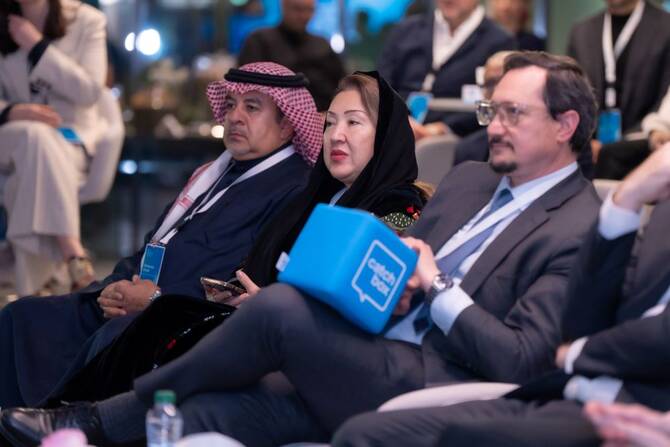
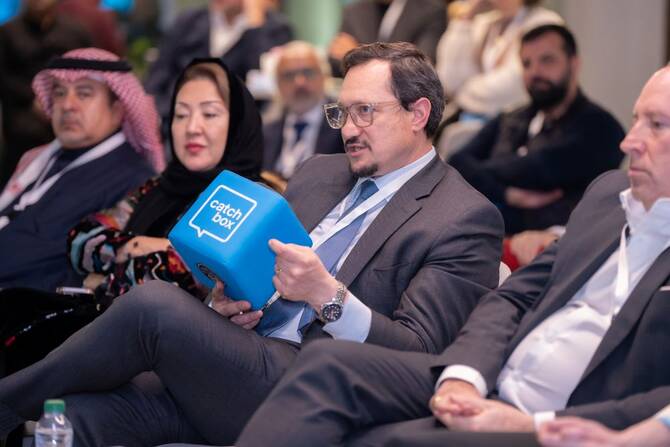
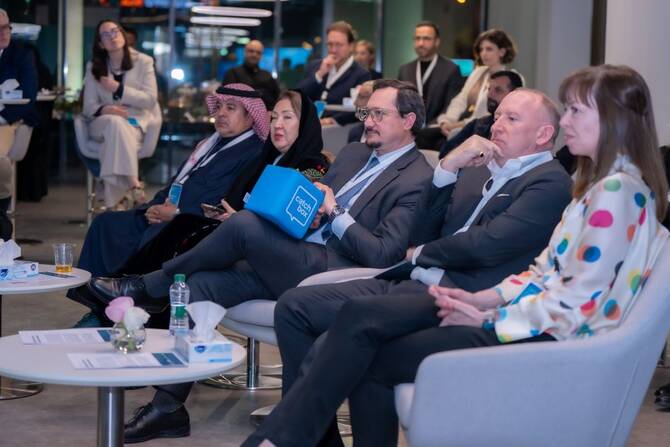
A vital pillar of this partnership is the cultivation of shared human capital. During the roundtable portion of the event, attendees included CEOs from major Saudi Arabian cultural commissions and creative heads behind some of the Kingdom’s landmark giga-projects.
During the open-floor roundtable session convened by BOP and EOA, leading creative executives discussed the various sectors and career paths projected to grow within Saudi Arabia.
Highlighting emerging roles in the museum industry, tourism and curation, they noted a significant increase in diverse career opportunities within the creative sector that did not exist prior to Vision 2030.
Creative economy goals under Vision 2030 target an increase in graduates in cultural disciplines to 255,000 and the creation of over 346,000 jobs.
When asked about the complementary benefits of the Saudi-UK collaboration, Al-Muqyteeb said there was a “good relationship.”
Reflecting on his journey in the creative sector, Al-Muqyteeb recalled how a participant at a workshop he hosted early in his career went on to launch a successful venture in the creative economy.
Saudi Arabia is already having a major shift in active investment in culture.
Minister of Culture Prince Badr bin Abdullah bin Farhan said in an op-ed published by Asharq Al-Awsat recently: “Saudi Arabia's Cultural Development Fund has empowered 1,517 entrepreneurs (both men and women) in all fields through its development programs,”
“The program also aims to bridge 45 percent of the existing financing gap, inject SR13.8 billion ($3.7 billion) into the sector in financial support in partnership with the private sector, and create 30,000 jobs.”


