

 Remote working will soon be universal, with Saudi Arabia ranking 44th globally
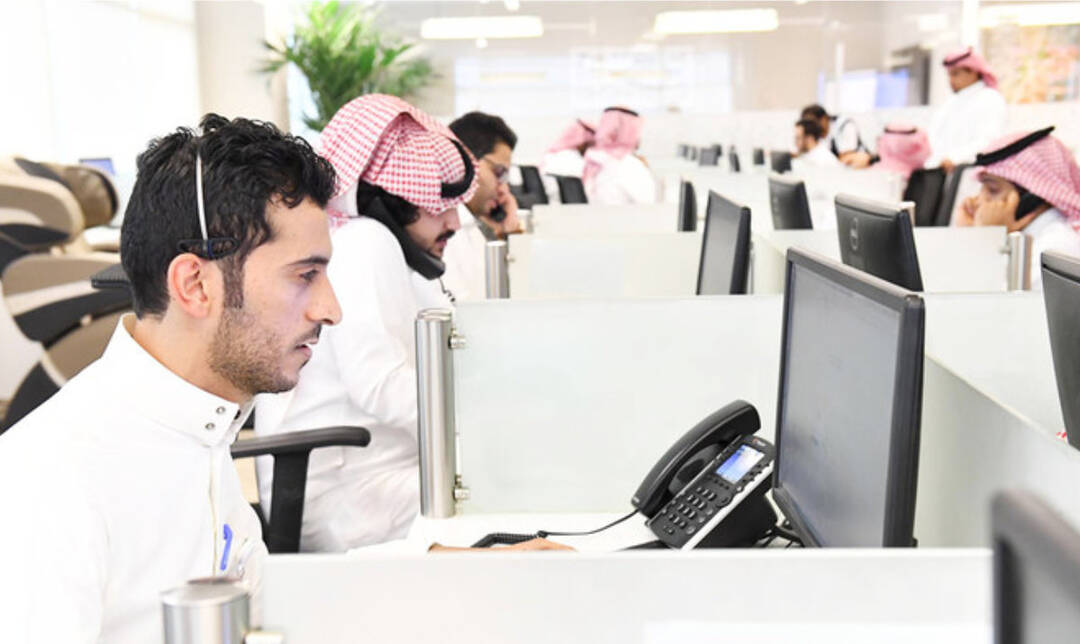

When it comes to remote working, Saudi Arabia leads Arab and Middle Eastern countries and ranks 44th in the world.
This is due to its development in cybersecurity, the strength of its economy and the existence of infrastructure that supports this type of work. Another factor is hybrid work, where remote is combined with face-to-face or office work.
All the above has led to a leap in the percentage of work that can be performed remotely in the public and private sectors, such as programming, digital shopping, design, and writing and editing, as well as customer service, teaching, accounting, translation and some craft professions such as fashion design.
The number of Saudi employees working remotely reached 190,000 in Q2 of 2025, with women accounting for about 85 percent of this number.
The state began adopting remote working before the coronavirus crisis, specifically when it issued the relevant regulations and legislation in 2014, so this is not a new phenomenon.
However, with the advent of the Kingdom’s Vision 2030 in 2016, with its goal of developing the labor market, employing Saudi talent in various sectors and a focus on increasing government support for digital transformation, the Ministry of Human Resources has implemented remote recruitment, training and contract documentation.
It launched the remote work and flexible work platforms and the remote work initiative and made the contractual relationship of remote workers subject to the provisions of the labor law, ministerial decisions and the internal regulations of each establishment. It also introduced mandatory registration for social insurance.
All these developments are guarantees that place remote work among the priorities of the Saudi leadership.
One example is Saudi Telecom Company, considered the first company in the Middle East to adopt remote working, according to Forbes. The magazine ranked STC among the 50 best digital companies in the world.
Remote working took its current form thanks in large part to computer expert and journalist Stephen Roberts whose 1988 book, “Computing Across America: The Bicycle Odyssey of a High-Tech Nomad,” charted his adventures.
There are now more than 70 countries that offer digital nomad visas for this type of remote work. An estimated 40 million people around the world work in this way, living on visas conditional on them obtaining remote contracts, sometimes with minimum salary requirements.
With medical insurance from the country where the employee resides, digital nomads do not settle in one place or tie themselves to an office. They move between places and countries, and all they need to be able to work is a laptop and fast internet.
It is expected that by 2035 there will be more than a billion digital nomads. Attracting them is beneficial because they will help the local economy of the country they are in through their various expenses, while costing it nothing.
According to a survey conducted by LinkedIn in 2025, 40 percent of Gen Z and millennials in America are willing to take a pay cut in exchange for greater flexibility at work, through remote or hybrid working arrangements. This is higher than previous generations, and it appears these young people are thinking about changing traditional work rules in the future.
But remote work can have its downsides. A study published by the Massachusetts Institute of Technology in 2023, in partnership with the University of California, found remote work leads to an 18 percent decline in productivity.
Employees who work from home are less productive than office employees, unless they are trained beforehand in the original work environment and familiarized with the company culture. When this happens, the results are similar.
Some time ago, my attention was drawn to a business incubator that supports remote employment in the Gaza Strip. Taqat was established in April 2024, according to CNN, because of the ongoing war that started in October 2023.
According to World Bank figures, eight out of 10 people in Gaza are unemployed.
With the help of the Palestinian Telecommunications Company and other external support, the incubator has provided 700 remote job opportunities, both inside and outside the Gaza Strip, in fields ranging from programming to engineering and design, among others.
It is hoped the Kingdom will invest in investable Palestinian talent, who have chosen to work remotely to preserve their dignity and avoid begging the occupier in times of war.
• Dr. Bader bin Saud is a columnist for Al-Riyadh newspaper, a media and knowledge management researcher, an expert and university professor in crowd management and strategic planning, and the former deputy commander of the Special Forces for Hajj and Umrah in Saudi Arabia.
X: @BaderbinSaud


