Pakistan launches privatization process for five power distributors under IMF reforms

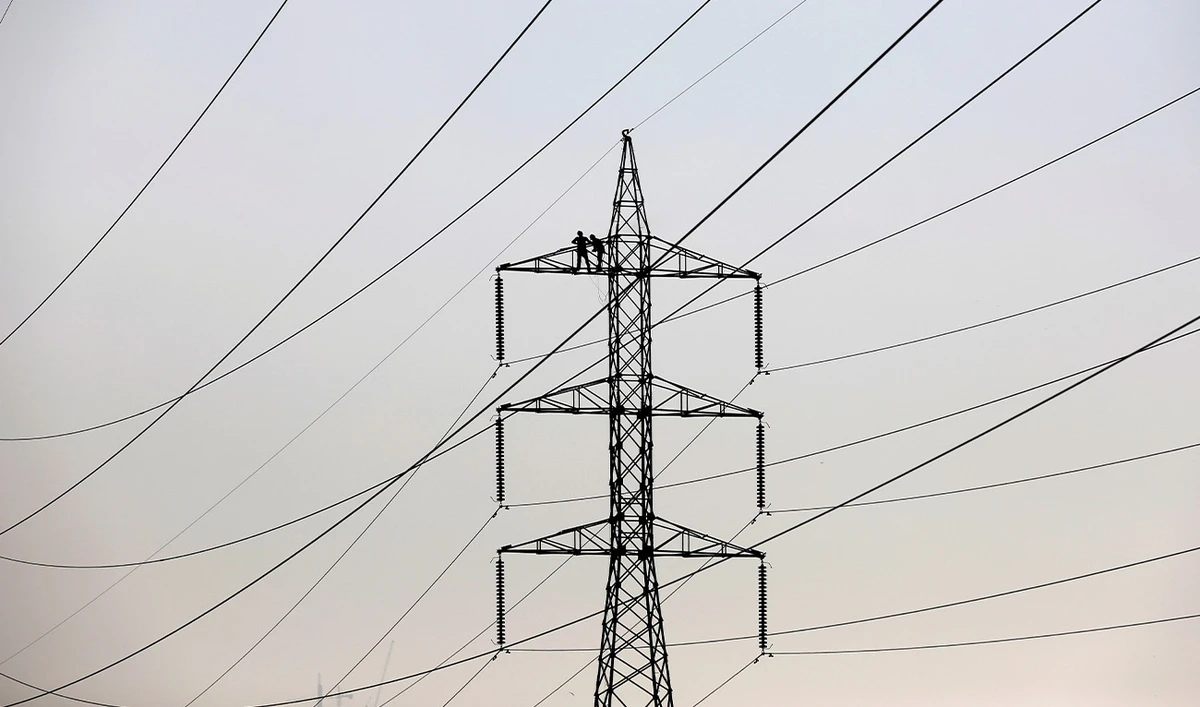
Technicians work to clean power transmission tower in Karachi, Pakistan, December 7, 2018. (Reuters/File)
Short Url
Updated 05 January 2026
Follow

Pakistan launches privatization process for five power distributors under IMF reforms

  • Power-sector losses have pushed circular debt above $9 billion, official documents show
  • Move is tied to IMF and World Bank conditions aimed at cutting subsidies and fiscal risk

KARACHI: Pakistan has appointed financial advisers and launched sell-side due diligence for the privatization of five electricity distribution companies, marking a long-awaited step in power-sector reforms tied to International Monetary Fund (IMF) and World Bank programs, according to official documents shared with media on Monday.

The five companies, namely Islamabad Electric Supply Company (IESCO), Faisalabad Electric Supply Company (FESCO), Gujranwala Electric Power Company (GEPCO), Hyderabad Electric Supply Company (HESCO) and Sukkur Electric Power Company (SEPCO), supply electricity to tens of millions of customers and have long been a major source of financial losses for the state.

Pakistan’s power sector has accumulated more than Rs2.6 trillion (about $9.3 billion) in circular debt as of mid-2025, driven largely by distribution losses, electricity theft and weak bill recovery, according to official government data cited in the documents. The shortfall has repeatedly forced the government to provide subsidies, adding pressure to public finances in an economy under IMF supervision.

“The objective is to reduce losses, improve efficiency and limit the government’s fiscal exposure by transferring electricity distribution operations to the private sector,” the documents said, adding that sell-side due diligence for five distribution companies is under way as a prerequisite for investor engagement.

Two utilities, the Quetta Electric Supply Company and Tribal Areas Electric Supply Company, are excluded from the current privatization phase due to security and structural constraints, the documents said.

Power-sector reform is a central pillar of Pakistan’s IMF bailout program, under which Islamabad has committed to restructuring state-owned enterprises, improving governance and reducing budgetary support. The World Bank has also linked future energy-sector financing to progress on structural reforms.

Electricity distribution companies in Pakistan routinely report losses exceeding 20 percent of supplied power, far above international benchmarks, according to official figures. These inefficiencies have been a persistent obstacle to economic growth, investment and reliable power supply.

Previous attempts to privatize power distributors have stalled amid political resistance, labor union opposition and concerns over tariff increases. While officials have not announced a timeline for completing transactions, the launch of due diligence marks the most concrete step taken in years. International lenders and investors will now be closely watching whether Pakistan can translate this phase into completed sales, a key test of its ability to deliver on IMF-backed reforms.

In a related development in Pakistan’s privatization agenda, the government last month concluded the long-delayed sale of a 75 percent stake in national flag carrier Pakistan International Airlines (PIA) in a publicly televised auction. A consortium led by the Arif Habib Group emerged as the highest bidder with a Rs135 billion ($482 million) offer for the controlling stake, in a transaction officials have said will end decades of state-funded bailouts and inject fresh capital into the loss-making airline.


Karachi mayor says city focused on rescue, identification after mall fire kills 67 

Updated 5 sec ago
Follow

Karachi mayor says city focused on rescue, identification after mall fire kills 67 

  • Blaze broke out on Jan. 17 at Gul Plaza, trapping workers and shoppers inside and burning for more than 24 hours 
  • Authorities say identification has been significantly slowed by the condition of the bodies recovered from the site

ISLAMABAD: Authorities in Karachi are focused on ongoing rescue operations and the identification of victims and handover of remains to families, the city’s mayor said on Friday, after a deadly fire at a shopping plaza killed at least 67 people this month.

The blaze broke out on Jan. 17 at Gul Plaza, a densely packed commercial building in the heart of the city, trapping workers and shoppers inside and burning for more than 24 hours before being brought under control. Recovery operations are still underway as teams sift through unstable debris at the site.

Karachi Mayor Murtaza Wahab said in a statement the city administration remained focused on retrieving remains and returning them to families as quickly as possible. His remarks came after he visited the homes of several victims, according to a statement from his office.

“Rescue personnel of the Karachi Metropolitan Corporation are still engaged in the rescue operation, while the administration is making every effort to hand over [remains] of the victims, loved ones to their families at the earliest,” Wahab was quoted as saying.

Identification has been complicated by the condition of the remains, Karachi Police Surgeon Dr. Summaiya Syed told reporters.

Most of the bodies recovered so far were discovered in fragments, she said, making forensic identification extremely difficult and prolonging the process for families waiting for confirmation.

Relatives of more than a dozen missing persons have remained near the destroyed plaza and at hospitals even after submitting DNA samples for testing. Some families have voiced frustration over the pace of recovery and identification efforts.

Wahab said the provincial government stood with affected families and had committed to long-term support.

“The Sindh government would also not sit back until the victims are fully rehabilitated and that all possible support would be provided [to them],” he said.

Authorities have yet to determine the cause of the fire. Police have said preliminary indications point to a possible electrical short circuit in the plaza which houses over 1,200 shops, though officials stress that conclusions will only be drawn after investigations are completed.

Deadly fires are a recurring problem in Karachi, a city of more than 20 million people, where overcrowded markets, aging infrastructure, illegal construction and weak enforcement of safety regulations frequently contribute to disasters. 

Officials say a blaze of this scale is rare.

The Sindh government has announced compensation of Rs10 million ($35,720) for each person killed in the fire and said all affected shopkeepers would also be compensated.