

Al-Eishan Palace jewel in Jouf’s cultural crown

1 / 5
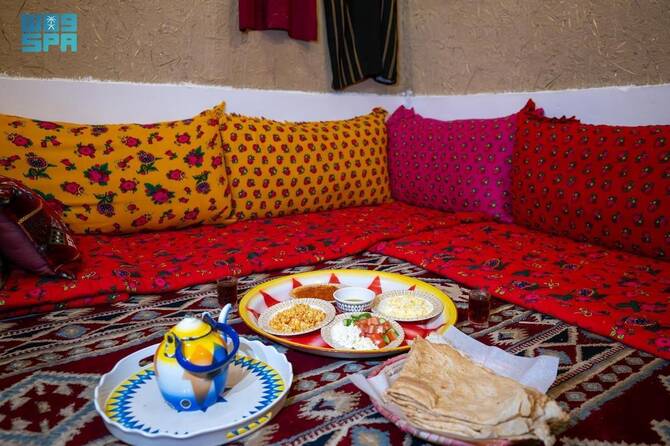
Located in the heart of Sakaka, Al-Eishan Palace dates back to 1852 and is surrounded by lush palm groves. (SPA)
2 / 5
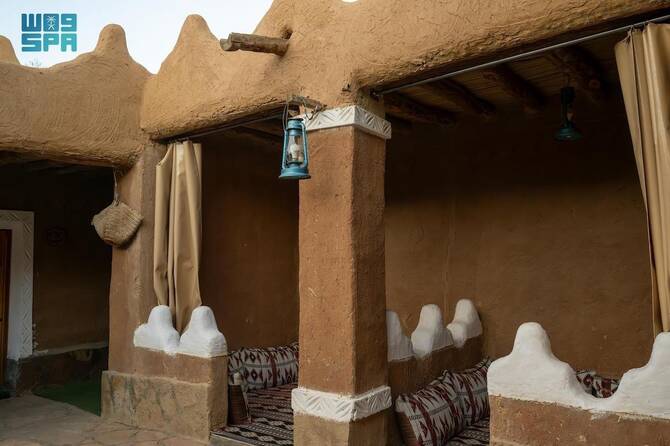
Located in the heart of Sakaka, Al-Eishan Palace dates back to 1852 and is surrounded by lush palm groves. (SPA)
3 / 5
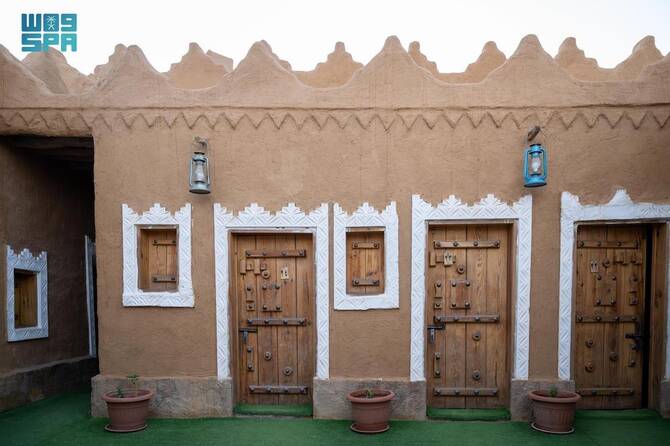
Located in the heart of Sakaka, Al-Eishan Palace dates back to 1852 and is surrounded by lush palm groves. (SPA)
4 / 5
Located in the heart of Sakaka, Al-Eishan Palace dates back to 1852 and is surrounded by lush palm groves. (SPA)
5 / 5
Located in the heart of Sakaka, Al-Eishan Palace dates back to 1852 and is surrounded by lush palm groves. (SPA)
Short Url
Updated 04 January 2026
Follow

Al-Eishan Palace jewel in Jouf’s cultural crown

  • Guests are greeted with coffee and freshly baked Maqshush, a thin flatbread with a distinctive flavor, at Al-Eishan Palace

RIYADH: Visitors to the Jouf region can explore a host of historical landmarks and unique architectural heritage, with mud brick palaces offering immersive cultural experiences that combine traditional cuisine and local hospitality.

The highlight is Al-Eishan Palace, where guests are greeted with coffee and freshly baked Maqshush, a thin flatbread with a distinctive flavor, the Saudi Press Agency reported.

Located in the heart of Sakaka, the building dates back to 1852 and is surrounded by lush palm groves. Built from mud, stone, tamarisk wood and palm fronds, it has five-meter high walls and spans more than 1,000 sq. meters. To the east, it borders orchards of peaches, pomegranates and grapes.

Parts of the palace were redeveloped in 2017-18, though the original foundations were maintained and traditional building materials were used for the renovations to ensure the building retained its character, including the majlis, inner courtyard and living quarters.

Al-Eishan Palace is open to visitors daily.


Sha’abanah festival brings Hijazi heritage to life ahead of Ramadan 

Updated 25 January 2026
Follow

Sha’abanah festival brings Hijazi heritage to life ahead of Ramadan 

Jeddah: The Sha’abanah festival celebrating Hijazi heritage drew more than 18,000 visitors to the Abadi Al-Johar Arena in Jeddah as part of the city’s pre-Ramadan festivities. 

Organized by Vertex 33, the three-day event from Jan. 22-24 offered an immersive celebration of local culture, crafts, and cuisine. 

The festival featured local boutiques offering oud incense and perfumes, artisanal shoes and a variety of handcrafted products from local entrepreneurs. 

Visitors also enjoyed a range of artistic workshops, such as pottery and mosaic, while children engaged in scented candle-making, art activities by Global Art, and thread kneading to create keychains and home wall hangings with Ramadan themes. 

A dining area served traditional Saudi cuisine, coffee, and festive Ramadan treats. 

Guests were entertained with live traditional Yanbu’awi performances, Al-Ajal dance displays, and a contemporary Saudi-style DJ, bringing together the energy of modern entertainment with the rich cultural heritage of Hijaz. 

The project was led by four young cultural enthusiasts, Abdulaziz Al-Jehani, Abdulmajeed Abualkheer, Ghoroub Al-Barakati and Shahad Abualkheer. 

Al-Jehani, CEO of Vertex 33, said Sha’abanah was inspired by a desire to revive the social traditions that once brought Hijazi communities together ahead of Ramadan. 

“At Vertex 33, we believe events should feel meaningful, not just entertaining, and Sha’abanah was our way of creating a space where people could reconnect with heritage in a lively, modern setting,” he told Arab News. 

“Bringing the festival together took just three months of planning, from concept development and cultural research to vendor selection, design, and on-ground coordination. 

“The positive response from attendees has reinforced Vertex 33’s commitment to supporting local artists and making Hijazi heritage central to future events,” he added. 

Entrepreneurs taking part in Sha’abanah praised the festival for providing exposure and opportunities to engage directly with customers. 

Afraa Damanhouri, founder of RuaqAfraa, said: “We are participating to make scented cake candles for both adults and children. Workshops like these promote business and help people understand the process behind different types of candles.” 

Reem Awad, founder and CEO of Black Mus, said: “Through Sha’abanah, we were able to meet our customers face to face, share the story behind our products, and help them understand the range of services and items we offer.” 

Chef Fayzah Al-Sulami, who took part in the event preparing and selling her homemade spices and traditional white sweet Saudi coffee, said: “I started teaching cooking on YouTube, and when people asked about the ingredients I use, I began selling my products. 

“It was amazing to see so many people take an interest, and sales were strong throughout all three days of the festival.” 

With Ramadan approaching, many local entrepreneurs offered gift packages, prayer baskets, homemade traditional coffee, and spices. 

Duaa Shukri, founder of Printful, said: “Ramadan is a time for giving. We created unique gift packages for children, teenagers and adults, with thoughtful items.”