

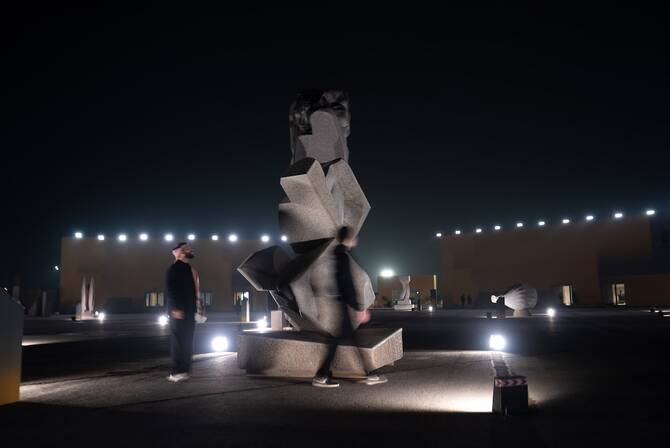
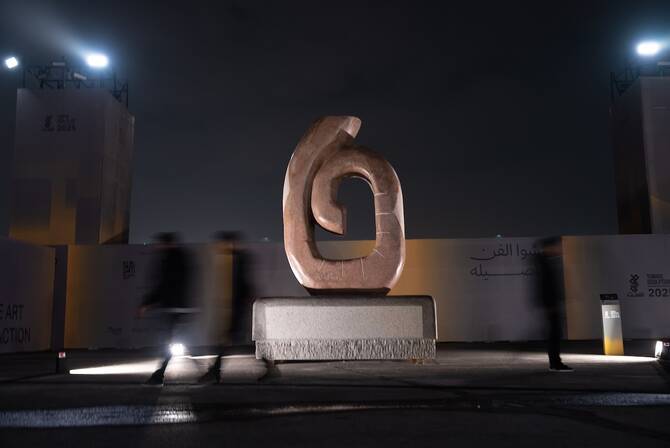

RIYADH: Tuwaiq Sculpture, an annual sculpture symposium under the Royal Commission for Riyadh City and Riyadh, has announced 25 artists to participate in the exhibition from Jan. 10 to Feb. 22, 2026.
This year, the initiative for both local and international artists is under the theme of “Traces of What Will Be” — highlighting cultural expression in the ways sculpture can shape cities. With the intention of encouraging culture exchange and dialogue, this year’s 25 Tuwaiq Sculpture participants are from a total of 18 countries, including Saudi Arabia, Palestine, the US, and many more.
According to the press release, this year’s Tuwaiq Sculpture presents the use of two materials in particular: Granite with optional stainless-steel integration as well as reclaimed metal. Of the 25 participating artists, 20 will work with granite while the remaining five will work with reclaimed metal. As the four weeks go on, the art pieces will become a part of Riyadh Art’s permanent public art collection.
Artists from diverse backgrounds are set to present a variety of approaches and interpretations of the theme, all aiming to convey conceptual reflections through sculpture.
“The seventh edition of Tuwaiq Sculpture received more than 590 applications, reflecting the cultural diversity and global interest in the symposium. The selection of the 25 participating artists was carried out by a jury of industry experts and specialists,” said Sarah Alruwayti, director of the Tuwaiq Sculpture Symposium.
“Their proposals show meaningful engagement with the theme and reflect the strength and diversity of contemporary sculptural practice. We look forward to welcoming them to Riyadh for the creation of new works that will become lasting additions to the city.”
Led by the Royal Commission for Riyadh City, Riyadh Art is one of the original projects under the Kingdom’s Vision 2030, with the mission of enriching cultural exchange and creative expression through the pursuit of art. As a part of that mission, Tuwaiq Sculpture now has over 153 sculptors from around the world since 2019 — with many of those artworks installed throughout Riyadh’s art landscape.
According to the statement, this progress in enriching the city with art and exhibitions that foster fruitful cultural relations reflects Riyadh Art’s goal of commissioning 1,000 public artworks to be installed throughout Riyadh as permanent representations of cultural creativity.
These milestone artistic endeavors are continuously witnessed by audiences and visitors as Tuwaiq Sculpture consistently engages with the community through exhibitions, workshops, and talks. Tuwaiq Sculpture 2026 echoes the symposium’s desire for community engagement as it allows visitors to witness the live creation of artworks for a month-long period.


