

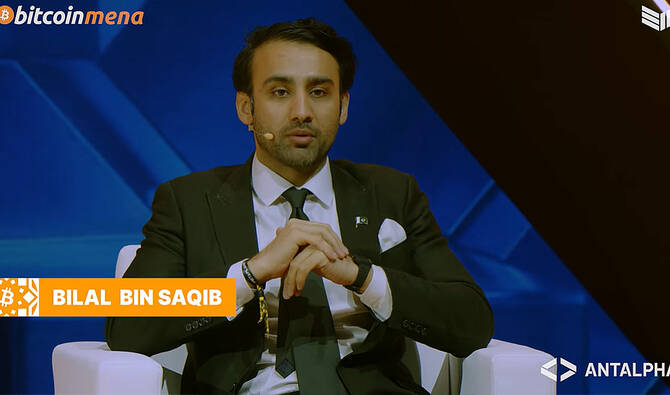

ISLAMABAD: Pakistan Virtual Assets Regulatory Authority Chairman Bilal bin Saqib said this week that Islamabad is eyeing billions in investment through digital assets initiatives and cryptocurrency projects in the coming years, state media reported.
Analysts have said Pakistan’s attempts to tap into the country’s growing crypto market, crack down on money laundering and terror financing, and promote responsible innovation could bring an estimated $25 billion in virtual assets into the tax net.
Pakistan has attempted to bring virtual asset service providers (VASPs) under a formal licensing regime in recent months. PVARA this month also granted no objection certificates (NOCs) to global crypto exchanges Binance and HTX.
Speaking during an interview at the Abu Dhabi Bitcoin Conference 2025, Saqib said Pakistan is reforming the unregulated crypto market to transform it into a “transparent and investor-friendly system in line with global standards,” state broadcaster Radio Pakistan reported on Saturday.
“He said that interim licenses, mining, tokenization and fintech pilot projects have been launched for major exchanges in Pakistan and billions of dollars are expected to be invested in these projects in the next few years,” Radio Pakistan said in its report.
The PVARA chairman said Pakistan has become the “center of attention” globally due to the significant progress it has achieved in crypto regulation.
Saqib said Islamabad considers Bitcoin and digital assets not only an investment but “a fundamental pillar of the future financial system.”
“He said that Pakistan’s goal is to make youth not consumers but digital creators and architects of the new economy,” Radio Pakistan said.
Pakistan’s move to formalize digital asset regulation comes amid broader economic reforms under an International Monetary Fund program, with authorities under pressure to strengthen financial controls, improve transparency and manage risks linked to emerging technologies.
While officials have framed the crypto framework as regulation-first rather than promotion-led, analysts say its implementation, particularly enforcement and coordination with the central bank, will be closely watched by international lenders and investors.


