



JEDDAH/RIYADH: Across the Kingdom, chefs are reimagining traditional Christmas dishes by infusing them with local flavors, ingredients and narratives, offering festive menus that blend global culinary traditions with Saudi Arabia identity.
From hotel lobbies in Jeddah and Riyadh to refined Arabic flavors and dessert plates inspired by the Kingdom’s southern regions, the trend reflects a growing confidence among Saudi chefs to reinterpret international occasions through a local lens.
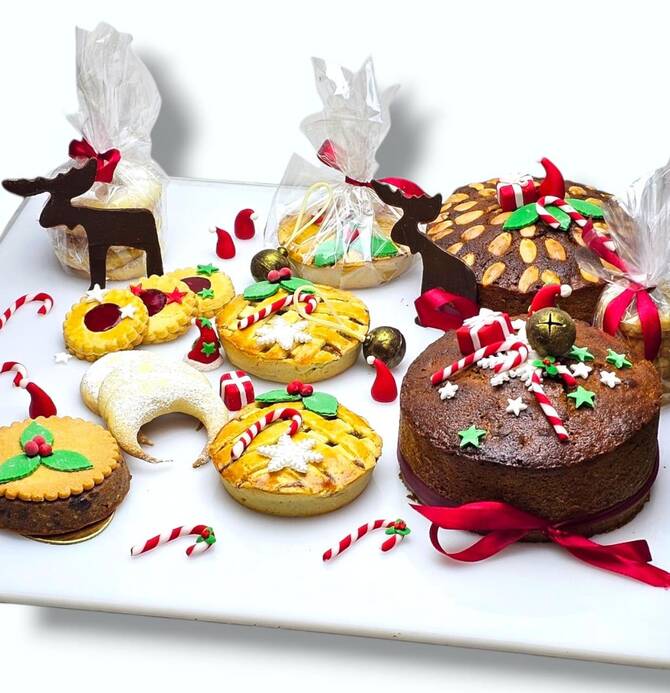
Saudi pastry chef and chocolatier Rida Al-Amri is among those leading the movement. This season, he is overseeing the Christmas lobby display at Assilah Hotel in Jeddah, while also preparing festive brunch and New Year offerings for guests.
Al-Amri said the concept emerged from a desire to create a festive experience that feels both familiar and rooted in place.
“The idea came from our desire to offer a unique experience that combines the global festive spirit of Christmas with the rich Saudi identity,” he told Arab News. “We wanted guests to feel they are celebrating an international occasion, but in the spirit of the place they are in.”
For this year’s menus, Al-Amri is incorporating locally sourced ingredients, including Saudi spices, dates and varieties of local honey, blending them into classic Christmas dishes with a contemporary approach that respects the original flavors.
Beyond the menus, Al-Amri is also responsible for designing the hotel’s festive lobby display, a process he says depends on subtle detail rather than overt symbolism.
“The balance lies in the details,” he said. “We keep the essential Christmas elements like colors and lighting, while adding touches inspired by Saudi culture, such as patterns, materials or heritage symbols, presented in an elegant and indirect way.”
He said what distinguishes this year’s Christmas and New Year brunches is the emphasis on a holistic experience.
“This year focuses on a complete experience, not just the food, but also presentation, variety and guest interaction,” Al-Amri said. “The menus have been carefully crafted, integrating new flavors and local touches, with close attention to visual details.”
He added that adaptations require respect for diversity. “The challenge lies in maintaining the identity of the global dish while adjusting the flavors to suit local tastes,” he said.
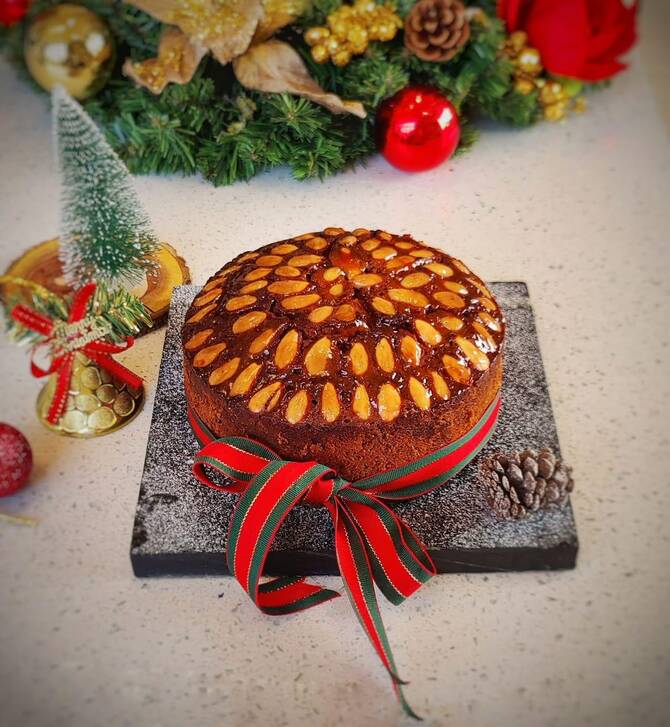
He said Saudi chefs today play an expanding role as cultural ambassadors. The dish that best represents this philosophy, Al-Amri said, is a festive plum cake made with dates.
“I am offering it this year because it embodies the concept of the entire menu, a mix of a global recipe with a clear Saudi touch,” he said.
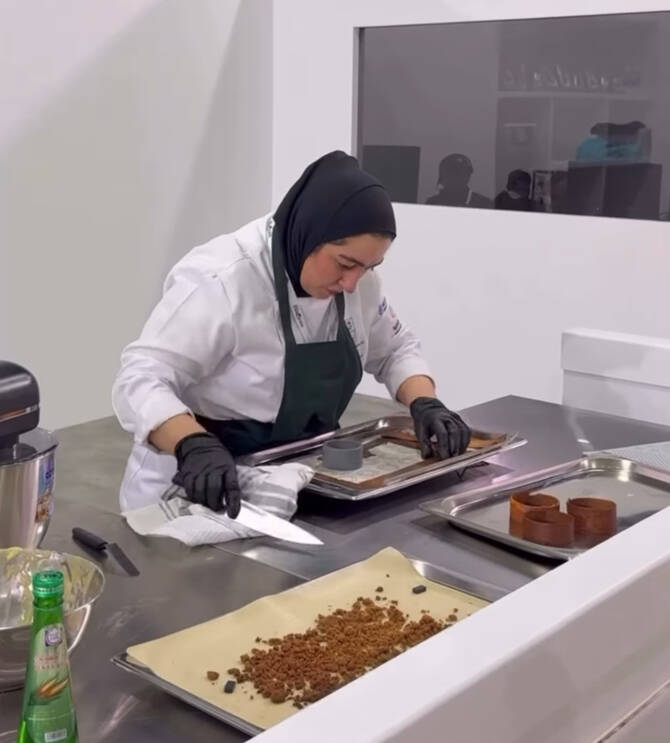
A similarly personal and culturally rooted approach defines the work of Asma Al-Khan, a Saudi chef and Le Cordon Bleu Paris graduate, whose Christmas-inspired dessert was shaped by family experience and regional inspiration.
“This dish was born from a personal experience, not only for Christmas dinner,” Al-Khan told Arab News. “My daughter has celiac disease, and I wanted to create a gluten-free dessert that is truly safe, without compromising flavor.”
Al-Khan drew inspiration from southern Saudi Arabia, while applying classical French techniques. “The biggest challenge was balancing kadi in a dessert,” she said. “Achieving that harmony became a moment of success.”
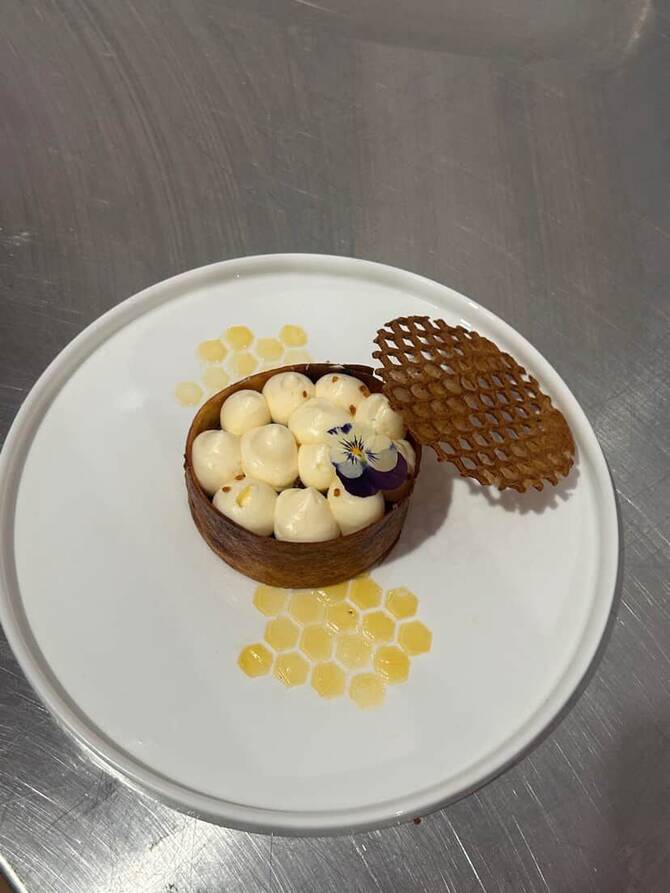
Known as Hidden Honey, the gluten-free dessert features layered elements including gavotte honey, millet and pecan sponge, millet crumble, orange gel, kadi cream, bee pollen and honey tuile.
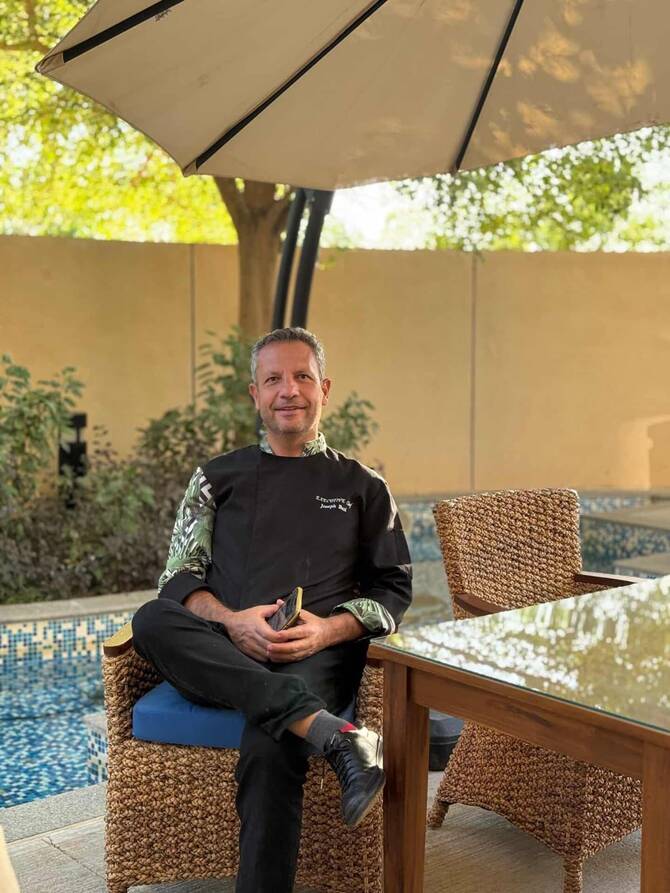
For Lebanese chef Joseph Bazi, Christmas in Saudi Arabia is not about recreating traditions exactly but reimagining them.
Growing up with rich Levantine flavors, Bazi wanted to create something that speaks to both Christmas nostalgia and Middle Eastern identity.
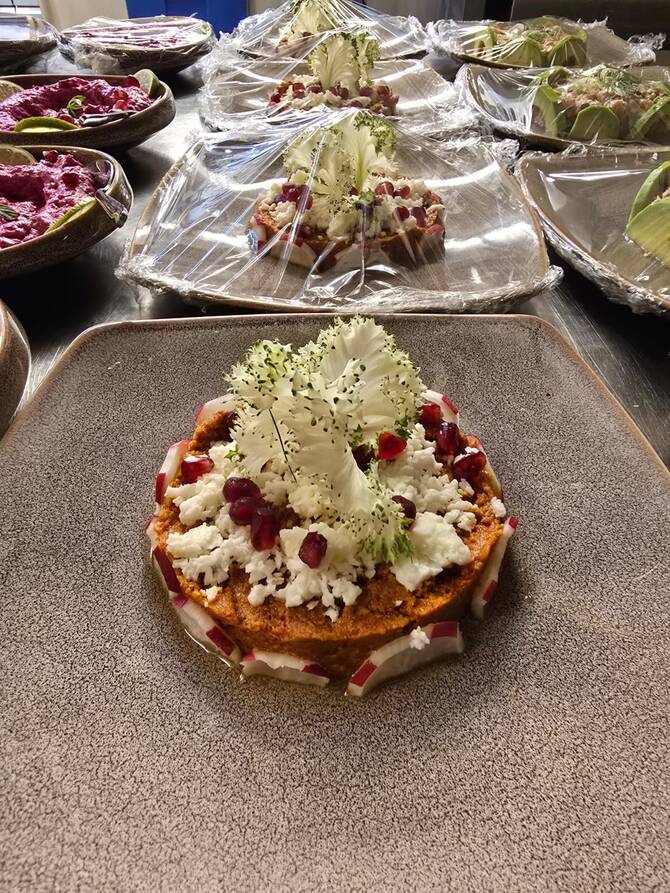
One of his standout creations is Mohamara Mont Blanc, a surprising twist on the classic French dessert. Instead of chestnuts, he uses mohamara, the beloved Levantine bell pepper and walnut spread, transforming it into a refined, creamy dish with just enough heat and depth.
“I wanted to take a flavor everyone in the region knows and elevate it into something unexpected,” Bazi told Arab News.
“Christmas is the perfect moment to play with comfort and creativity.”
He followed it with Kunafa Creme Brulee, a dish that instantly captured attention. Crispy kunafa strands replaces the traditional sugar crust, while the custard underneath stays silky and classic, bridging East and West in one spoonful.
“Kunafa is emotional,” he said. “Everyone has a memory with it. Turning it into a creme brulee makes it festive, modern, and still deeply familiar.”
For Bazi, these dishes reflect how Christmas is celebrated in Saudi Arabia today — intimate, multicultural, and driven by food that tells a story.
“In Saudi Arabia, Christmas isn’t about one tradition,” he added. “It’s about people coming together, sharing flavors, and creating new memories around the table.”


