

 The most valuable currency in the new Saudi Arabia is not oil — it is oxygen

Tiny confession to make: For most of my life, I treated the outdoors as a hostile transitional space — a brief, heated purgatory between my air-conditioned car and my air-conditioned office. Like many of us, I viewed the Saudi climate not as something to be lived in, but as something to be defeated by engineering.
But lately, something has been shifting in the tectonic plates of our culture and has forced me to rethink my relationship with the sun.
We read the press releases. We know the stat — billions of trees, the Green Riyadh initiative, the circular carbon economy, the massive rewilding of the nature reserves. But as a writer, I am less interested in the metrics of sustainability and more fascinated by the sociology of it.
While the world looks at our green initiatives as a contribution to the global climate fight, I see them as something far more intimate: a complete re-shaping of the Saudi personality.
We are witnessing the birth of what I call the “Shade Economy.”
For decades, our social infrastructure was built indoors. Our malls were our town squares; our living rooms were our parks. This insularity created a specific type of culture — private, enclosed and heavily curated. But look at what is happening now.
As the wadis are rehabilitated and the pedestrian walkways in Riyadh and Jeddah expand, we are seeing the emergence of a “third place” that we previously claimed was impossible in our geography.
The argument used to be: “It is too hot for sustainability to be a lifestyle.” That argument is dying.
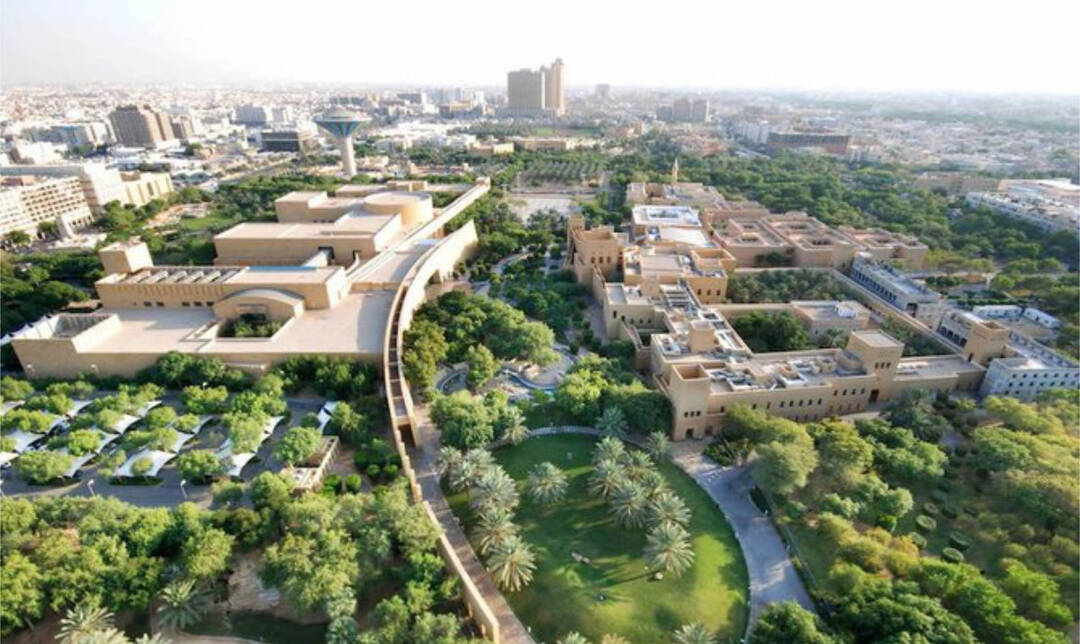
I walked through the Diplomatic Quarter in Riyadh recently, and then through one of the newer, revitalized districts. I saw something that felt genuinely radical: silence. The sustainability projects — the sheer volume of vegetation — are dampening the acoustic harshness of the concrete city. This is the soft power no one talks about. It is not just about exporting culture or tourism; it is about importing a slower, more deliberate tempo of life for the residents.
This is where the “green initiative” stops being a corporate buzzword and starts becoming a human reality. When we plant trees, we are not just lowering the urban heat island effect; we are lowering the collective blood pressure of the population.
There is a rebellious optimism in this. To plant a forest in a desert is perhaps the most defiant act of hope a nation can commit. It challenges the very definition of our geography. It suggests that the future of Saudi luxury is not gold or marble — it is walking 5 km in the middle of the city, under a canopy of Prosopis trees, breathing air that feels scrubbed clean.
The editors and economists focus on the “green ecosystem” as an industry, which it is. But for us, the people actually living through this transformation, it is an identity shift. We are moving from a society that hides from its environment to one that collaborates with it.
So let the critics talk about the return on investment of green projects. The real ROI is the moment you realize you have stopped rushing to the car and started lingering on the sidewalk.
• Abdulelah S. Al-Nahari is a business and marketing communications partner at a marketing solutions firm and leads strategic growth initiatives in line with Saudi Arabia’s digital-first vision.


