STOCKHOLM: The Swedish government on Friday proposed changes to the constitution that would allow revoking the citizenship of some criminal gang leaders, as part of its work to combat widespread organized crime.
In January, a cross-party parliamentary committee proposed constitutional changes to allow stripping the passports of people with dual nationality convicted of espionage or treason, but stopped short of suggestions targeting organized crime.
“The government has chosen to go further than the committee’s proposal precisely to make it possible to also revoke citizenship from, for example, gang leaders who are guilty of very, very serious harm to society,” Justice Minister Gunnar Strommer told a press conference.
He said a bill submitted to parliament on Friday includes a proposal that would allow revoking passports of double citizenship holders convicted of “crimes that gravely affect vital national interests” such as serious gang crime.
Sweden has been plagued by organized crime-related violence for well over a decade.
The government and its backers, the far-right and anti-immigration Sweden Democrats, won the 2022 election on a promise to reduce immigration and gang crime, which they say are linked. New general elections are due in 2026.
To change the Swedish constitution, the proposals need to pass a vote in parliament with a simple majority, followed by a general election and then a second Riksdag vote.
Strommer said he aims for the proposed changes to the constitution to enter into force at the start of 2027.

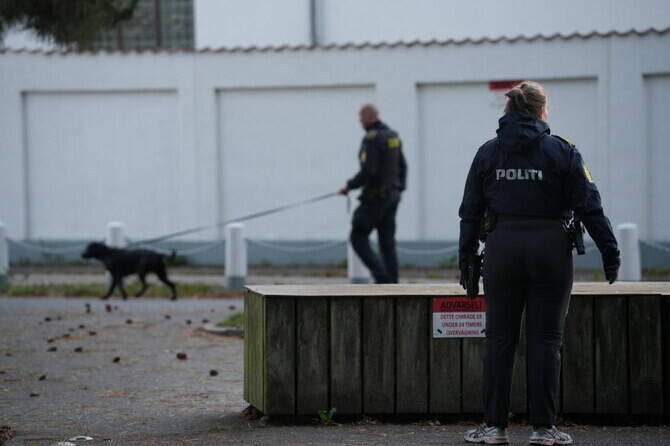
Sweden wants to strip organized crime leaders of citizenship
Short Url
https://arab.news/45cvf
Sweden wants to strip organized crime leaders of citizenship
- A bill submitted to parliament on Friday includes a proposal that would allow revoking passports of double citizenship holders convicted of “crimes”
Macron vows stronger cooperation with Nigeria after mass kidnappings
PARIS: French President Emmanuel Macron said Sunday that France will step up cooperation with Nigeria after speaking with his counterpart, as the West African country faces a surge in abductions.
Nigeria has been wracked by a wave of kidnappings in recent weeks, including the capture of over 300 school children two weeks ago that shook Africa’s most populous country, already weary from chronic violence.
Macron wrote on X that the move came at Nigerian President Bola Tinubu’s request, saying France “will strengthen our partnership with the authorities and our support for the affected populations,” while urging other countries to “step up their engagement.”
“No one can remain a spectator” to what is happening in Nigeria, the French president said.
Nigeria has drawn heightened attention from Washington in recent weeks, after US President Donald Trump said in November that the United States was prepared to take military action there to counter the killing of Christians.
US officials, while not contradicting Trump, have since instead emphasized other US actions on Nigeria including security cooperation with the government and the prospect of targeted sanctions.
Kidnappings for ransom by armed groups have plagued Nigeria since the 2014 abduction of 276 school girls in the town of Chibok by Boko Haram jihadists.
The religiously diverse country is the scene of a number of long-brewing conflicts that have killed both Christians and Muslims, often indiscriminately.
Many scholars say the reality is more nuanced, with conflicts rooted in struggles for scarce resources rather than directly related to religion.
Nigeria has been wracked by a wave of kidnappings in recent weeks, including the capture of over 300 school children two weeks ago that shook Africa’s most populous country, already weary from chronic violence.
Macron wrote on X that the move came at Nigerian President Bola Tinubu’s request, saying France “will strengthen our partnership with the authorities and our support for the affected populations,” while urging other countries to “step up their engagement.”
“No one can remain a spectator” to what is happening in Nigeria, the French president said.
Nigeria has drawn heightened attention from Washington in recent weeks, after US President Donald Trump said in November that the United States was prepared to take military action there to counter the killing of Christians.
US officials, while not contradicting Trump, have since instead emphasized other US actions on Nigeria including security cooperation with the government and the prospect of targeted sanctions.
Kidnappings for ransom by armed groups have plagued Nigeria since the 2014 abduction of 276 school girls in the town of Chibok by Boko Haram jihadists.
The religiously diverse country is the scene of a number of long-brewing conflicts that have killed both Christians and Muslims, often indiscriminately.
Many scholars say the reality is more nuanced, with conflicts rooted in struggles for scarce resources rather than directly related to religion.
© 2025 SAUDI RESEARCH & PUBLISHING COMPANY, All Rights Reserved And subject to Terms of Use Agreement.


