How Israel’s use of AI in Gaza has transformed warfare and the ‘automation of apartheid’

1 / 2
Soldiers are seen monitoring surveillance cameras at a command center at the IDF’s Re’im camp in southern Israel on November 5, 2023. (Israel Defense Forces)
2 / 2
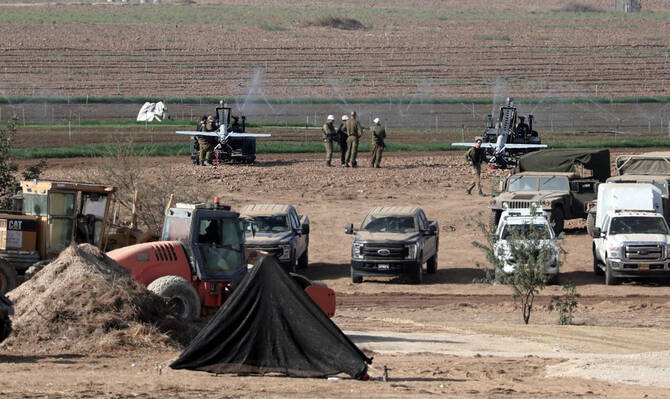
Israeli soldiers prepare armed drones stationed close to the Palestinian Gaza Strip enclave, from a field near the southern Israeli city of Sderot, on October 14, 2023, as fighting between Israel and the Hamas movement continues for the eighth consecutive day. (AFP)
Short Url
Updated 02 December 2025
Follow

How Israel’s use of AI in Gaza has transformed warfare and the ‘automation of apartheid’

  • Israel’s AI systems automate target generation at rapid speeds, raising concerns about human oversight and accountability
  • Data-driven targeting tools reshape battlefield decision-making, sparking debate over the ethical limits of algorithmic warfare

LONDON: Kill lists drawn up from vast databases, facial recognition cameras tracking targets, quadcopter drones mounted with machine guns. The Israeli military’s artificial intelligence-powered systems played a central role in the Gaza war.

The ruthless efficiency of AI programs to process data and produce bombing targets combined with reports of limited human oversight has been blamed in part for the extremely high number of civilian casualties.

The scale with which automation and machine learning were used and developed during the war has led military experts to conclude that the world is now at a turning point in how wars of the future will be fought.
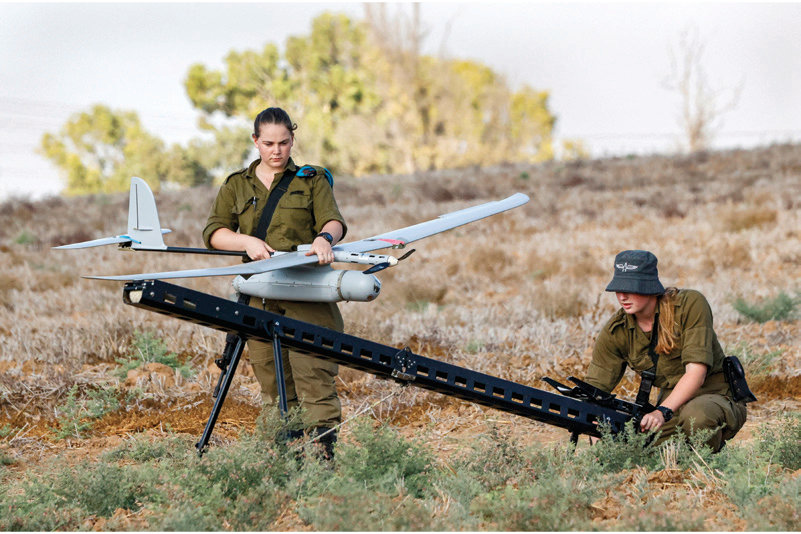


An Israeli soldier prepares an Elbit Systems Skylark I unmanned aerial vehicle (UAV or drone) for take-off near the border with the Gaza Strip in southern Israel on August 21, 2020, as part of monitoring operations in the area. (AFP)

For Palestinians, the legacy of this AI-driven conflict goes beyond the immediate trail of death and destruction. These technologies will very likely be channeled back into the occupation, entrenching what many describe as an “automated apartheid.”

Israel has long been accused of using the occupied Palestinian territories as a laboratory to develop sophisticated military and surveillance technologies.

It has spent years gathering vast quantities of intelligence and data from Gaza and the occupied West Bank. Despite this, during previous wars with Palestinian militant groups in Gaza in 2014 and 2021, the Israeli Air Force actually ran out of targets to hit.

“They were hitting everything they had and that they could identify during the war, and they would run out of targets,” Noah Sylvia, a research analyst at the UK-based Royal United Services Institute, told Arab News.

“So they created a bank of targets in the event of the next war … a database of tens of thousands of targets to strike as needed.”
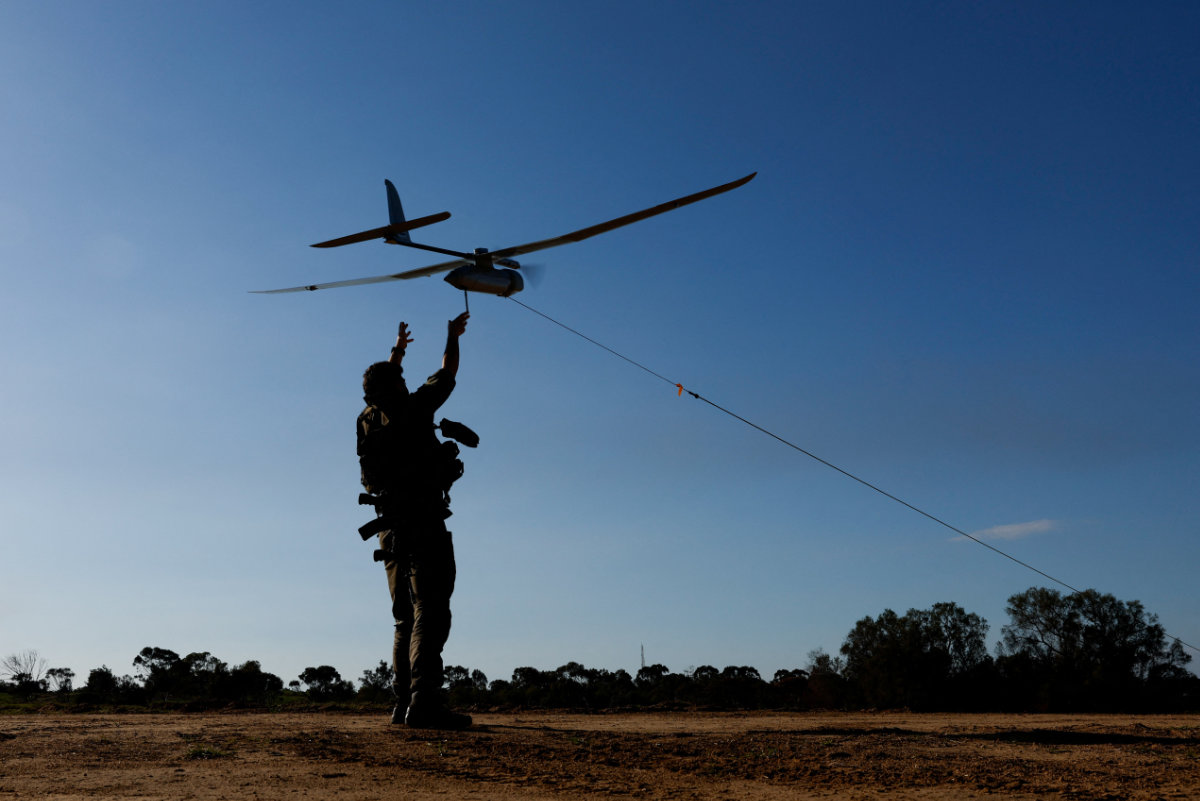


An Israeli soldier launches a drone near the Israel-Gaza border, amid the ongoing conflict between Israel and the Palestinian Islamist group Hamas, in southern Israel, on January 15, 2024. (REUTERS/File)

A book published in 2021 by Yossi Sariel, at the time commander of Unit 8200, Israel’s elite cyber-warfare agency, offered a chilling indication of the role AI would play in creating such a target bank.

“Imagine 80,000 relevant targets that are produced before combat and 1,500 new targets created every day during a war,” he wrote in “The Human-Machine Team,” which described how AI could transform the way wars are fought.

Human beings, he wrote, were “the bottleneck” preventing the creation and approval of those targets. “A team consisting of machines and investigators can blast the bottleneck wide open.”

When Israel launched its military campaign in Gaza in retaliation for the Hamas-led attack of Oct. 7, 2023, this vision became a reality.

During the first week of the war, the Israeli military reported dropping 1,000 bombs a day. By early December 2023, it reported 10,000 airstrikes.


An action shot of XTEND’s XTENDER drone, used for tactical indoor reconnaissance. (XTEND)

Studies estimated that the initial months of the conflict amounted to one of the most intensive bombing campaigns in history, with levels of destruction comparable to the bombing of three German cities, Dresden, Hamburg and Cologne, during the Second World War.

Details of the AI-powered systems driving the campaign started to emerge in reports from the Israeli magazine +972.

An investigation published in November 2023 revealed that the Israeli military was using a system called “The Gospel,” which selected buildings as targets far faster than had previously been possible. 

One former Israeli intelligence officer described the system as a “mass assassination factory.”

Five months later, +972 revealed the existence of the “Lavender” program, which instead of selecting structures as targets, selected people. The system made even the lowest ranked members of Hamas and Islamic Jihad targets for the air force’s bombs.

Sources told the magazine that the system selected 37,000 suspected militants and their homes as possible airstrike targets in the early days of the conflict.
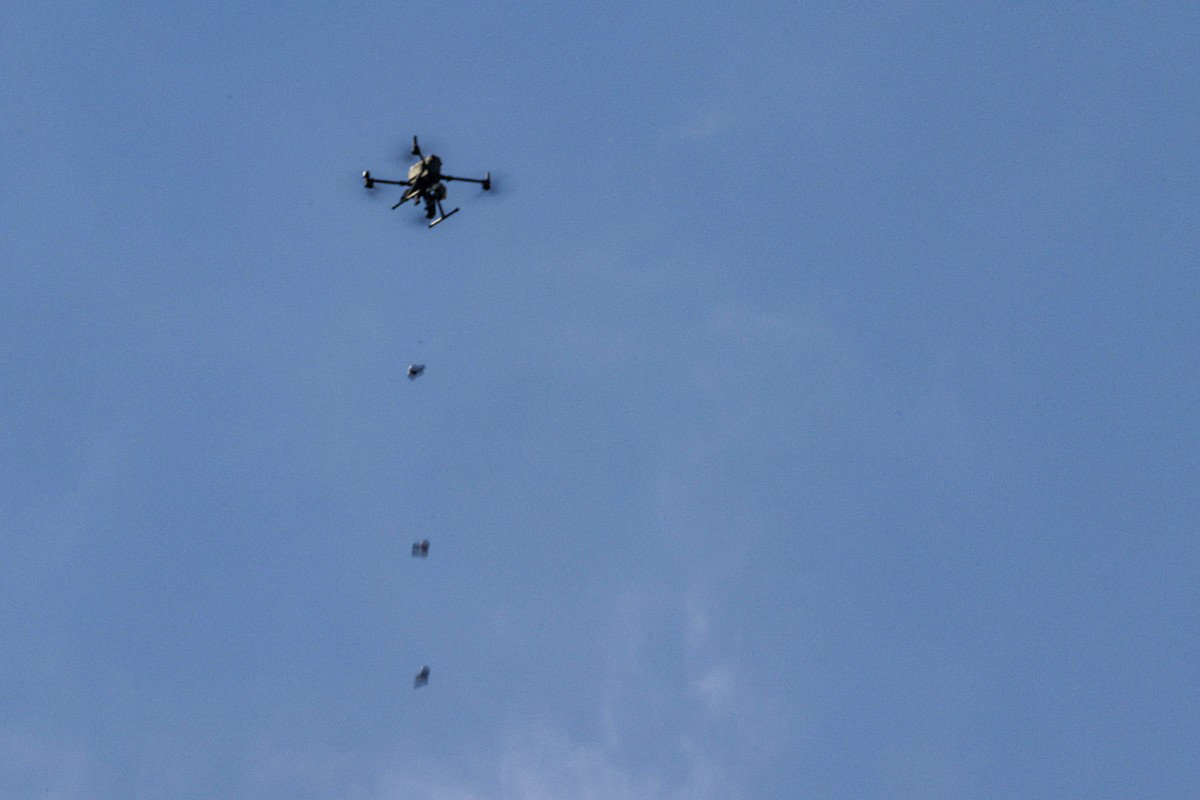


An Israeli drone drops tear gas canisters to disperse gatherings in the vicinity of Ofer military prison located between Ramallah and Beitunia in the occupied West Bank on October 13, 2025. (AFP)

The article revealed another system named “Where’s Daddy?” that could simultaneously track the thousands of individuals flagged by Lavender and send a signal when they reached their family homes.

According to the report, the military preferred to bomb them in their homes, usually at night in the presence of their families, because it was easier to locate them there.

Sources also told +972 that during the early weeks of the war, the army decided it was acceptable to kill 15 to 20 civilians for every low-ranking Hamas militant and, on occasions, 100 civilians for a senior commander.

There were also alarming details about the levels of human oversight of the targets supplied by the AI programs, known as Decision Support Systems.
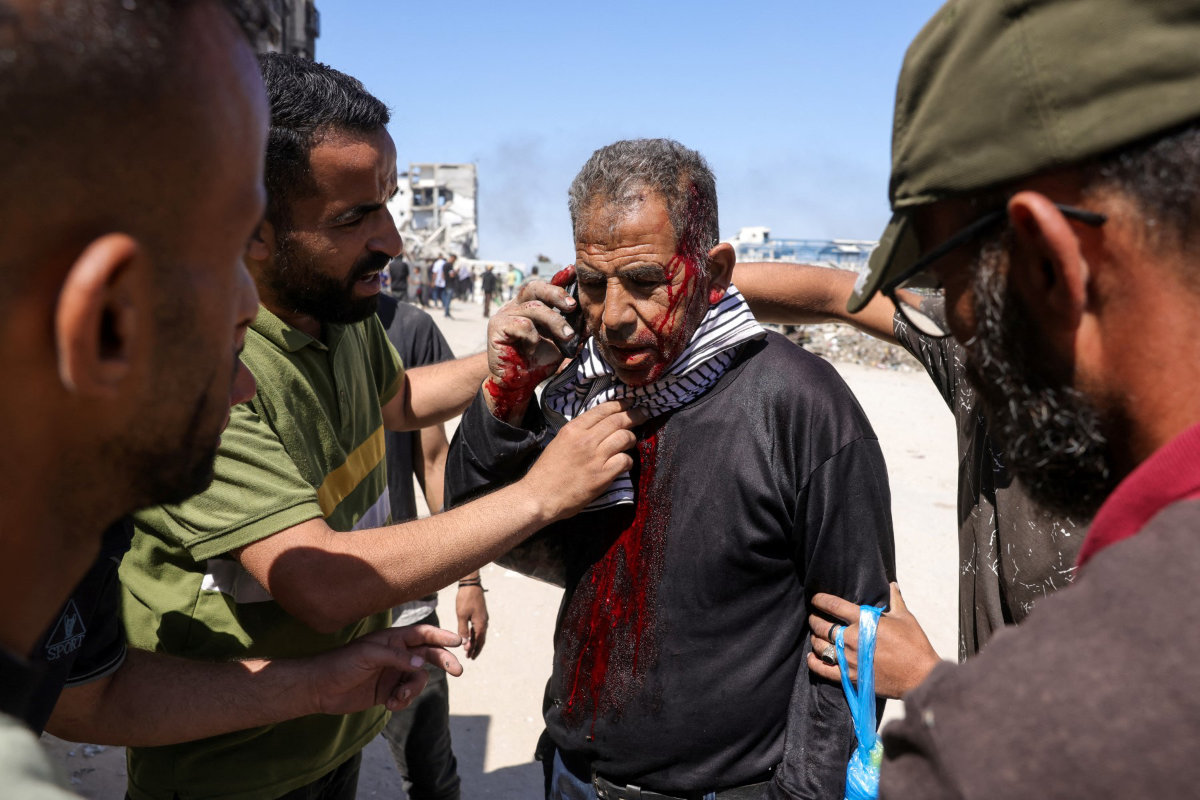


Palestinians tend to an injured man as he speaks on his mobile phone following an Israeli drone strike in Jabalia, in the northern Gaza Strip on May 23, 2025. (AFP)

Sources described a “rubber stamp” approach to the targets flagged by the systems, with a mere 20 seconds spent on each one before a bombing was authorized.

“That is going to make it near impossible for meaningful, substantive human input in a targeting selection process,” Asaf Lubin, an associate professor at Indiana University Maurer School of Law and a former Israeli intelligence analyst, told Arab News.

Israel insists that the AI systems it uses are merely tools to help identify targets and that all targets are independently verified by an intelligence analyst as legitimate to attack.

But Lubin suggests that the quantity of targets being generated would have made it impossible for a human to carry out proper verification or allow for the capacity to challenge the information.

“Our entire legal frameworks in international humanitarian law and the laws of war are rooted on an understanding that there will be a process, an iterative process, for those involved in the targeting decision making,” he said.

“Automation bias and technology played a role in loosening that process, that iterative process, that would have allowed for more review, scrutiny, analysis, questioning.”
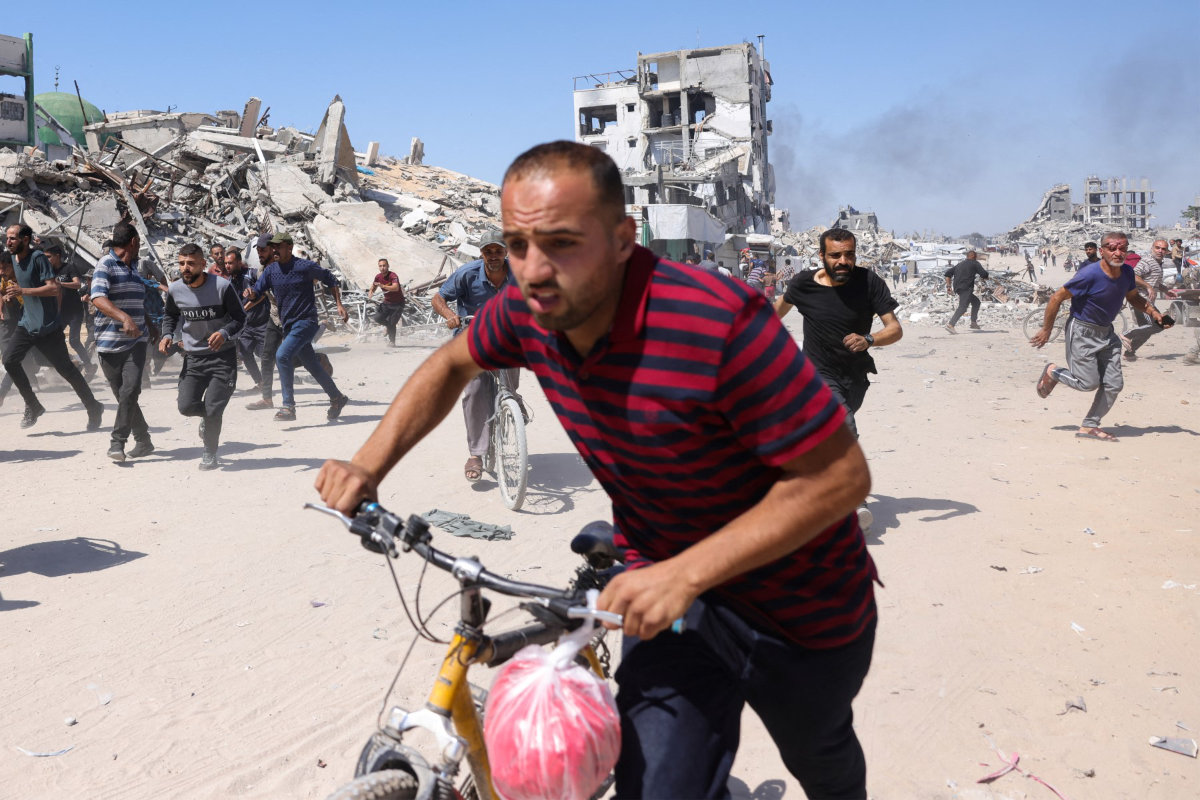


Palestinians run for cover during an Israeli drone strike in Jabalia, in the northern Gaza Strip on May 23, 2025. (AFP)

Anwar Mhajne, an associate professor of political science at Stonehill College in Massachusetts, said the AI systems gave Israel’s military a “facade of confidence” in their ability to select targets.

She said this led to a “confirmation bias” based on the Israeli forces’ existing view of Palestinians in Gaza.

“If the person approving the targets has a bias of his own, then it’s easy to just say, ‘oh, well, the data told me that it is, so it’s not my fault’.”

Mhajne added: “The way the weapons have been used, all these weapons, all these systems helped facilitate genocide in Gaza.”

Experts agree that while AI played a part, the ultimate responsibility for the huge civilian death toll rests with Israel and the conduct of its forces.

“There’s no question that AI systems were utilized and they generated kill lists and target lists in ways not seen before in the previous confrontations between the Israelis and Palestinians,” Lubin said.
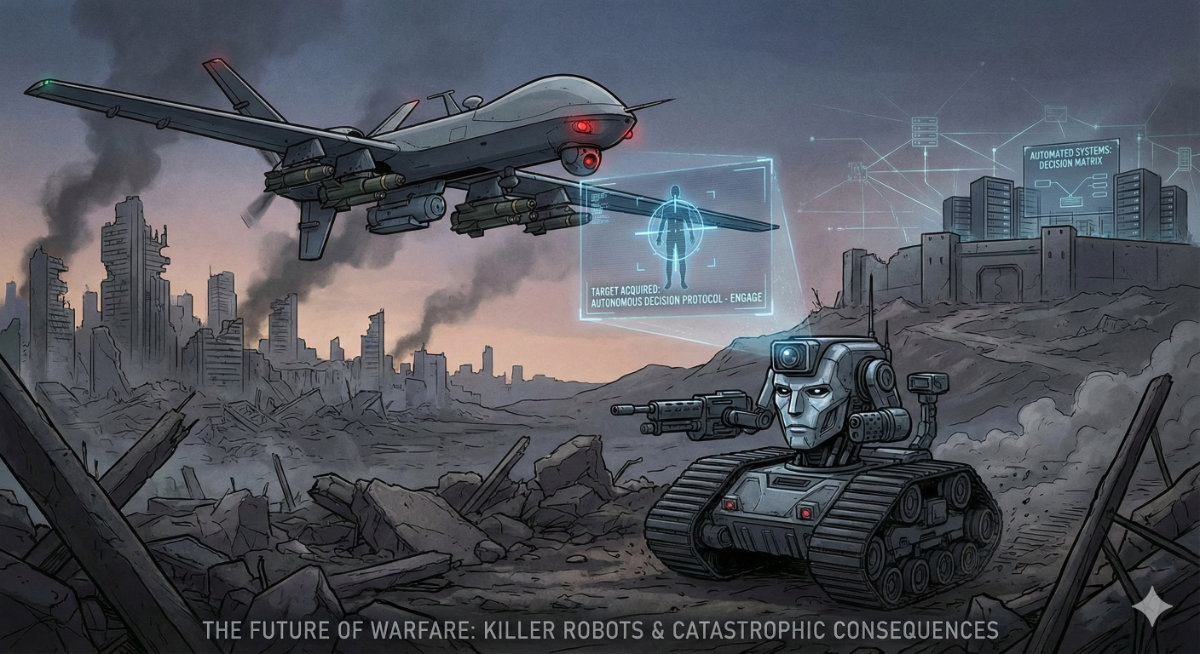


Illustration image courtesy of Gemini

However, he added, the scale of the civilian death toll “can also be tied to decisions that have nothing to do with technology, that have everything to do with policy changes and the way the military decided to operate in the context of this operation and in the wake of Oct. 7.”

Israel has so much information on Gaza that they “know exactly what they’re doing, at any given time,” RUSI’s Sylvia said. “They know how many casualties there are going to be.

“What artificial intelligence does is that it takes your existing operating procedures and allows you to do them more quickly and at a greater scale.

“How ethically you use artificial intelligence correlates largely with your existing operating procedures.”

Another legacy of the Gaza war is the involvement of major international technology companies in Israel’s military AI systems.

Microsoft said in September it had cut off some of its services to Unit 8200 after media reports that the Azure cloud was being used to store intercepted phone calls made by ordinary Palestinians.
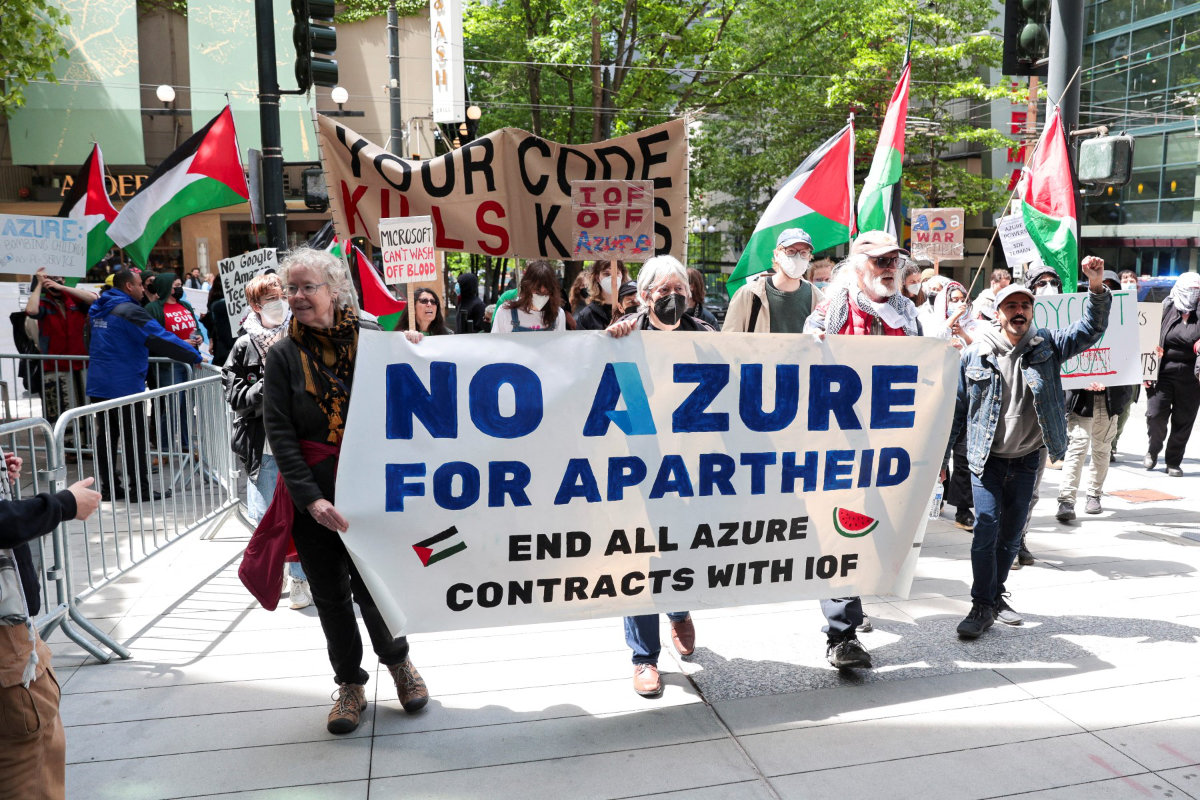


Pro-Palestinian demonstrators protest outside the Microsoft Build conference at the Seattle Convention Center in Seattle, Washington on May 19, 2025. (AFP)

It is those ordinary Palestinians who will now live under the shadow of the new AI-powered military and surveillance technologies developed by Israel during the conflict.

“Automated apartheid is not only becoming more real, it is accelerating,” Jalal Abukhater, policy manager for 7amleh, a non-profit organization that advances the digital rights of Palestinians, told Arab News.

“The AI systems refined during the war, whether for predictive analytics, biometric monitoring, automated targeting, or mass data extraction, will entrench and expand the occupation and apartheid regime.

“These tools don’t disappear after conflict — they become part of everyday governance.”

Mhajne, who is a Palestinian citizen of Israel, said the use of AI is both entrenching the occupation and making it “more and more sophisticated.”

“Mainly why Israel is able to produce all of this is because of the massive institutions of occupation,” she said.



A THOR vertical takeoff and landing (VTOL) micro-unmanned aerial system (UAS), developed as military tactical mule platform and part of the "Legion-X" line of robotic and autonomous combat solutions produced by the Israel-based international defense electronics company Elbit Systems, is pictured during a press demonstration at their headquarters in Ramat HaSharon in central Israel on July 10, 2023. (AFP)

The development of AI military systems raises fears that the future will be dominated by killer robots — autonomous drones or vehicles making decisions on who lives and who dies.

The Gaza war showed that the automated systems working in the background to make decisions on who or what is a target are already in place.

When used with the same recklessness that was apparent in Gaza, the consequences are catastrophic — nearly 70,000 Palestinians were killed in two years, according to Gazan health authorities.

With the rapid development of automated warfare, at a time when international legal norms and rules are coming under strain, Lubin sees Gaza as a “pivotal moment” that will “redefine wartime activity.”

“It’s not just about the targeting cycle. It’s about every aspect of the war machine,” he said.

“It’s a very dangerous time we’re entering into.”


Why Gaza aid curbs are deepening children’s health crisis despite ceasefire

Updated 04 December 2025
Follow

Why Gaza aid curbs are deepening children’s health crisis despite ceasefire

  • Humanitarian aid deliveries are still restricted, leaving thousands of children without sufficient food, medicine, and basic shelter
  • International agencies warn that without urgent, unrestricted aid, child mortality and long-term health crises will escalate sharply

DUBAI: Two months into Gaza’s fragile ceasefire, children in the besieged enclave continue to bear the brunt of a deepening humanitarian crisis, with aid agencies warning that Israel’s continued restrictions on relief supplies are exposing the population to malnutrition and disease. 

Despite the Oct. 10 ceasefire, humanitarian groups say convoys carrying much-needed aid remain stuck at border crossings. Meanwhile, thousands of families displaced by two years of war are now enduring heavy rains in overcrowded shelters, heightening the risk of disease. 

For displaced children, limited access to medical care and vaccinations could have long-term, irreversible consequences. Without timely medical intervention and proper nutrition, healthcare workers warn that children are far more vulnerable to illness and death. 

Caption

The UK-based charity Medical Aid for Palestinians has reported a rise in cases of child malnutrition, with medical facilities facing “critical shortages” of supplies needed to treat postwar health complications. 

“While the number of severely malnourished patients has decreased compared with the peak of the famine, cases are still regularly presenting to hospital emergency departments and medical points,” Rohan Talbot, MAP’s director of advocacy and campaigns, told Arab News. 

In November, the organization’s nutrition cluster identified 575 children with acute malnutrition, including 128 with severe malnutrition, out of 7,930 children screened. The highest rates were in Gaza City, where almost 10 percent of children screened were malnourished. 

“We have also seen birth defects attributed to poor nutrition in mothers and lack of access to proper food and medical care,” said Talbot, warning that malnutrition could have long-term effects on children, leaving them at risk of stunting, poor development, and recurrent infections. 

A man carries the body of Palestinian baby Zainab Abu Haleeb, who died due to malnutrition, according to health officials, at Nasser Hospital in Khan Younis, southern Gaza Strip, on July 26, 2025. (REUTERS)

Last week, MAP reported that three of Gaza’s largest hospitals — Al-Shifa, Nasser and the Patient’s Friends Benevolent Society — remain overwhelmed with critically injured and malnourished patients. 

Staff are unable to provide adequate care or carry out surgeries postponed during the war, with some patients dying as a result. 

Medical supplies have not “meaningfully increased” since the ceasefire began, leaving a collapsed healthcare system with little capacity to recover, the organization said. 

According to the UN, only half of Gaza’s 36 hospitals are currently partially operational, and not a single hospital in the enclave is fully functional.  

A nurse examines a malnourished child at Nasser Hospital in Khan Younis, southern Gaza Strip, on July 25, 2025. (REUTERS)

The Patient’s Friends Benevolent Society Hospital, the main pediatric facility in northern Gaza, has reported critical shortages of essential drugs, medical supplies, cleaning materials, and sterilization equipment. 

On Nov. 14, the hospital — already damaged in the fighting — was flooded by heavy rain, trapping children and their families on the ground floor. 

“Medical intervention was not enough to save the lives of children, so we lost a large number of them in the intensive care unit,” Dr. Majd Awadallah, the hospital’s medical director, said in a statement. 

“These problems are unsolvable without opening the crossings and allowing the unconditional entry of essential materials, especially medicines. How can a hospital operate in surgical and maternity cases without cleaning materials?”   

INNUMBERS

600 Aid trucks expected to enter Gaza daily under ceasefire deal.

145 Actual average number of aid trucks entering Gaza per day.

(Source: Gaza’s Government Media Office)

On Monday, the UN Relief and Works Agency accused Israel of blocking around 6,000 aid trucks carrying food, medicine, tents and blankets — enough to sustain the enclave for three months. 

The organization warned that 1.5 million people urgently need shelter after heavy rains in November flooded displacement camps and damaged at least 13,000 tents. 

Israel’s military operation in Gaza, triggered by the Hamas-led Oct. 7, 2023, attack, has displaced about 2.1 million Palestinians — roughly 95 percent of the population — and destroyed nearly 78 percent of the enclave’s 250,000 buildings, according to UN figures. 

Most of the displaced now live in makeshift tents, some erected over the rubble of their former homes, without proper sanitation, clean water, insulation or sewage systems, contributing to the spread of infectious diseases. 

The World Health Organization has reported a rise in cases of Guillain-Barre Syndrome, acute watery diarrhea, and acute jaundice syndrome, the latter of which can be linked to hepatitis A. 

Though more aid has been reaching the devastated enclave since the ceasefire, humanitarian organizations warn this is insufficient to meet the population’s needs. 

Under the US-brokered truce, at least 600 aid trucks were expected to enter Gaza daily. However, Gaza’s Government Media Office said the enclave has received an average of just 145 trucks a day since the agreement began. 

Palestinians collect aid supplies from trucks in Khan Younis, southern Gaza Strip, on October 12, 2025, amid a ceasefire between Israel and Hamas. (REUTERS)

Of the aid that has entered Gaza, only 5 percent of the trucks contained medical supplies, according to the UN. 

“The strain on Palestinians’ lives is only deepening,” said Talbot. “Even the most basic materials needed for shelter continue to be blocked by Israeli authorities.” 

Though food availability has slightly improved due to the entry of humanitarian and commercial trucks, aid organizations still report limited quantities and less diverse food in markets. 

The World Food Programme said food consumption remained below pre-conflict levels by mid-October, as meat, eggs, vegetables, and fruits remain unaffordable for many families. Talbot said the food shortages are affecting patient recovery and overall public health. 

“Local food production has been severely disrupted, and humanitarian access remains extremely constrained by Israeli restrictions, with a severe lack of properly nutritious food entering Gaza,” he said. 

The war has eroded purchasing power, leaving 95 percent of the population entirely dependent on aid, UNRWA said, urging Israel to facilitate rapid at-scale and unimpeded humanitarian access. 

Although the ceasefire was intended to bring relief, near-daily Israeli strikes have killed 347 Palestinians, including at least 67 children, and injured 889 others, pushing Gaza’s death toll to more than 70,000, according to the Ministry of Health. 

Gaza’s Government Media Office has documented 535 Israeli violations since the ceasefire began, while satellite imagery shows more than 1,500 buildings have been destroyed during this period. 

In a statement last week, rights monitor Amnesty International accused Israel of continuing to commit genocide in Gaza by severely restricting the entry of aid and blocking the restoration of services essential for civilian survival. 

Agnes Callamard, the organization’s secretary-general, said the ceasefire creates “a dangerous illusion that life in Gaza is returning to normal,” warning that the lack of proper food, water and shelter could lead to “slow death” of Palestinians in Gaza. 

This includes blocking equipment needed to repair life-sustaining infrastructure and to remove unexploded ordnance, contaminated rubble and sewage — all of which pose serious and potentially irreversible public health and environmental risks, she said. 

Israel denies accusations it is deliberately obstructing aid, and accuses Hamas of stealing humanitarian assistance. 

Israeli soldiers secure humanitarian aid, amid the ongoing conflict in Gaza between Israel and the Palestinian Islamist group Hamas, near the Erez Crossing point in northern Gaza, on May 1, 2024. (REUTERS)

COGAT, the Israeli military arm that oversees humanitarian matters, insists that “hundreds of trucks” enter Gaza daily. 

In a Nov. 30 statement, the unit said it “approved 100,000 pallet requests submitted by organizations, of winter-related items, shelter equipment, and sanitation supplies.” 

“These supplies are ready and waiting for weeks for immediate coordination by the relevant organizations so they can enter Gaza,” the statement read. 

Israel and Hamas have continued to trade accusations of ceasefire violations as the first phase nears completion. 

Under this initial phase, Israel was required to withdraw its troops behind a temporary boundary known as the yellow line, while Hamas was to release all living and deceased hostages. 

The next stage of the Trump 20‑point Gaza peace plan, endorsed by the UN Security Council on Nov. 18, faces major obstacles, including Hamas disarmament, Israel’s full withdrawal from Gaza, governance of the enclave, and international security arrangements. 

Despite these obstacles, aid agencies are continuing live-saving work, stepping up efforts to provide essential health services, distribute clean water, support trauma and emergency responses, and offer mental health support. 

On Nov. 21, the WHO, UNRWA, and the UN children’s fund UNICEF, announced the completion of the first round of vaccinations, which immunized more than 13,700 children against measles, polio, mumps and rubella, hepatitis B, tuberculosis, rotavirus and pneumonia. 

The agencies are now preparing for rounds two and three after 1.6 million syringes procured by UNICEF entered Gaza in mid-November. 

The UN also distributed food parcels to more than 264,000 families in the same month. 

However, aid workers say that these efforts represent only a fraction of what is needed to mitigate the worsening humanitarian crisis and help the population recover. 

“A ceasefire must mean more than this; it must bring an end to Palestinians’ suffering and allow them to regain their dignity and safety,” said Talbot. 

“Without a flood of aid and assistance, we will see more avoidable deaths and deprivation.”