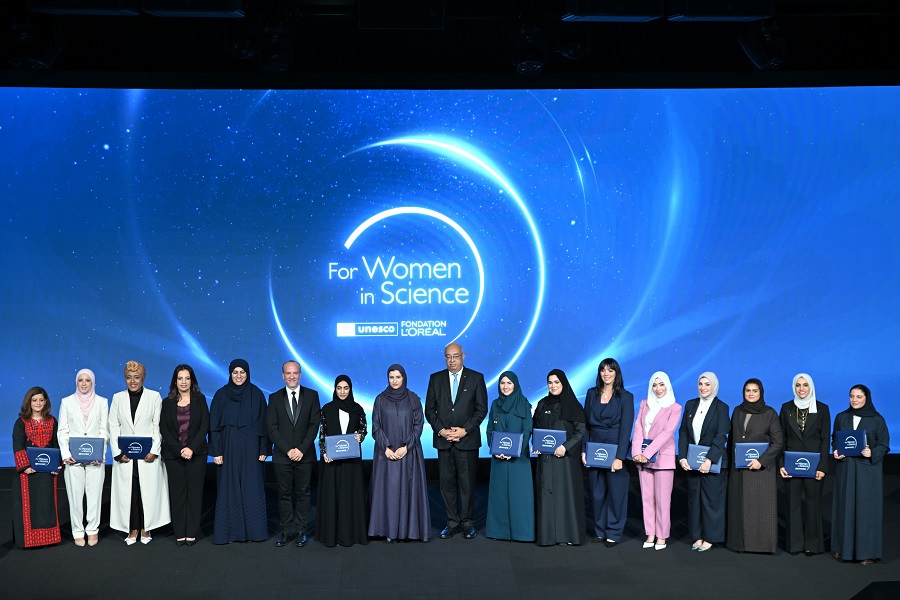
DUBAI: The L’Oreal-UNESCO For Women in Science Middle East Regional Young Talents Program, with the UAE’s Khalifa University of Science and Technology, has highlighted the work of 12 Arab female scientists whose research is shaping the region’s scientific future.
The program recognizes the work of Arab women in areas of science, technology, engineering and mathematics whose research addresses urgent challenges.
We spoke to six honorees about why they chose their particular area of research and what they hope to achieve.
“Within robotics, soft robotics attracted me the most. It is a young, unconventional, and fast-growing field inspired by the adaptability and elegance of nature. Soft robots offer new design possibilities that blend scientific rigor with creativity.
“My research focuses on developing a flexible robotic arm for inspection and maintenance inside aero-engines and other confined industrial environments. The goal is to reduce maintenance downtime, lower operational costs, and increase safety and precision. By enabling robots to reach places humans or traditional rigid robots cannot, this work addresses real-world challenges and supports the development of smarter and safer systems.”
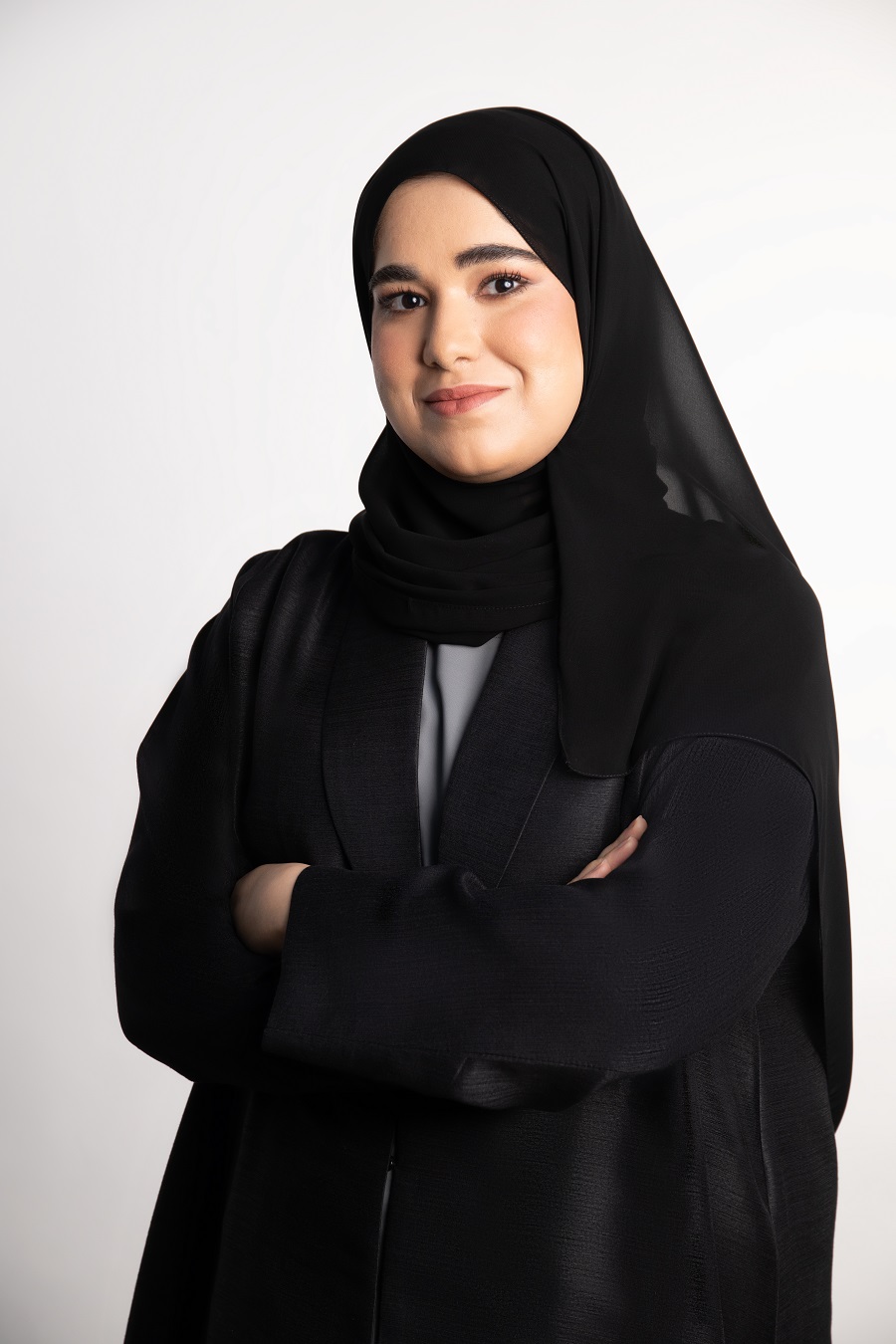
“I wanted to start with the patients themselves, to understand the biological changes occurring within their microbiome and how these changes relate to major health conditions such as cardiovascular disease, breast cancer and impaired wound healing. These conditions are particularly prevalent in our Arab region, and I believe that by targeting the gut microbiome, we can uncover new pathways for prevention and treatment.
“My research is driven by a strong focus on conditions that affect women’s confidence, well-being and quality of life. I’m deeply passionate about contributing to the global shift toward personalized medicine, where treatment is tailored to each individual’s unique biological profile. This passion first developed during my clinical rotations as an undergraduate, where I witnessed women of different ages struggling with breast cancer and chronic wounds.
“Through my research, I aspire to help prevent or better manage these diseases by restoring balance within the gut microbiome, ultimately improving patients’ lives and advancing precision healthcare in our region.”
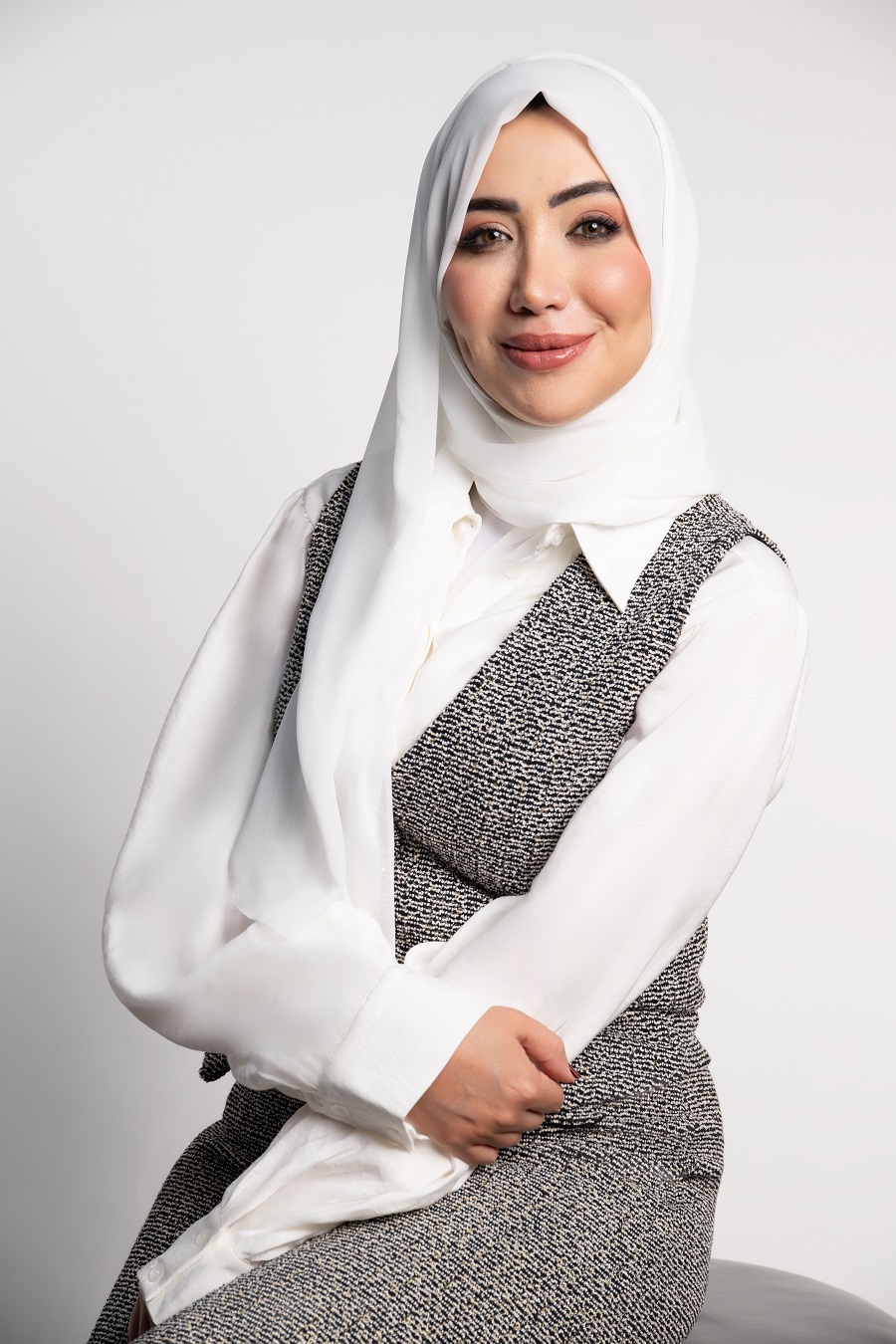
“I chose this research project to understand why obesity leads to chronic inflammation, which is a major cause of insulin resistance and type 2 diabetes. Although we know these conditions are linked, the exact mechanisms that sustain inflammation remain unclear.
“My goal is to discover how dietary factors, such as fatty acids and hormones released from fat tissue, influence our genes and immune cells. I am particularly interested in how these signals modify gene activity through epigenetic changes that control which genes are turned on or off. By studying these mechanisms, I hope to identify early biomarkers and novel therapeutic targets. This knowledge could pave the way for more effective prevention and treatment of metabolic diseases. Ultimately, my goal is to design personalized nutrition strategies that support lasting metabolic balance and overall health.”
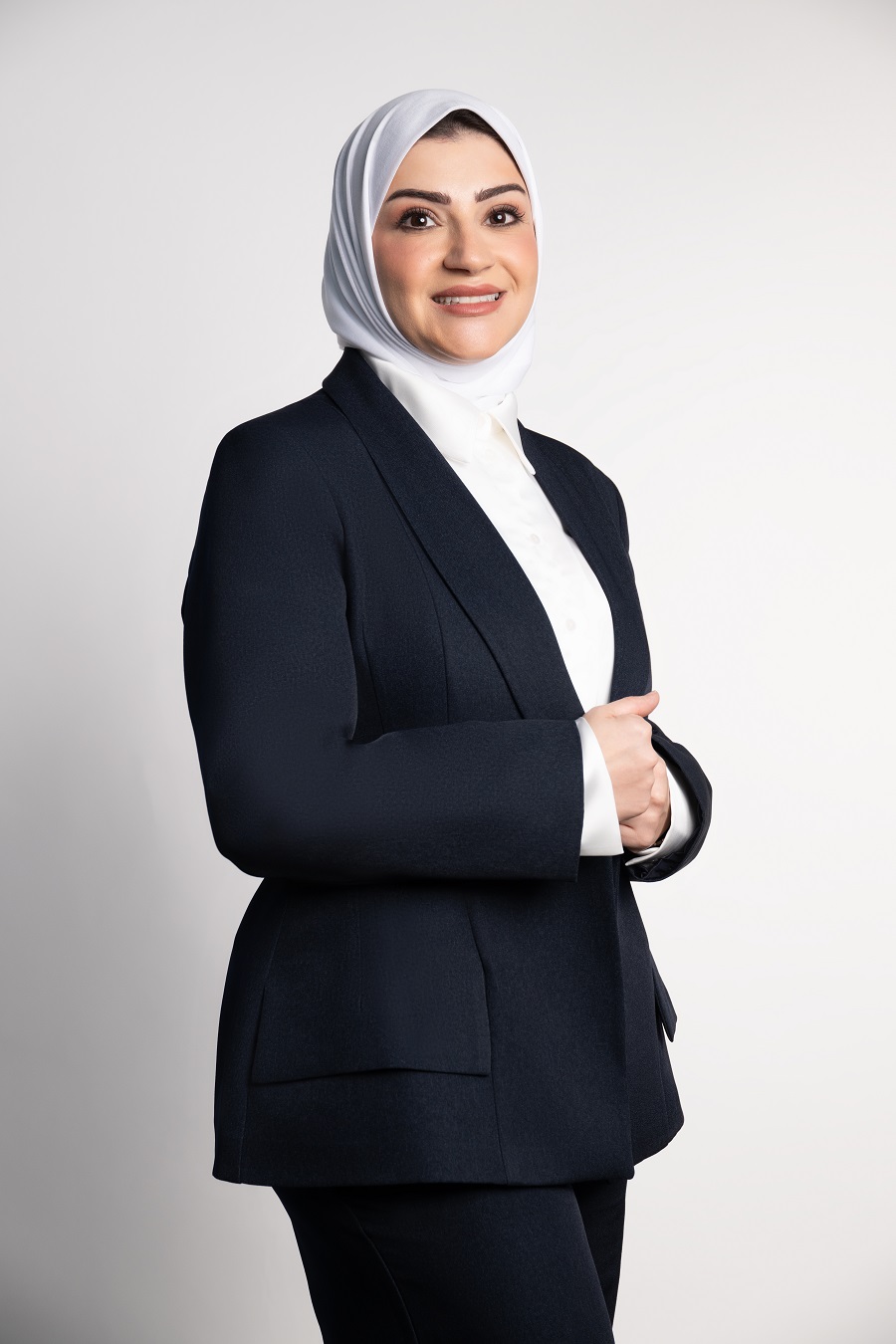
“I chose this research because I’ve always been fascinated by what lies beyond the genetic code, the hidden layers of regulation that determine how our genes behave. I’ve always believed that nothing is created by God for no reason, and that every molecule, no matter how small or obscure, has a purpose and a role to play in our bodies.
“During my Ph.D., I was introduced to the world of long non-coding RNAs, molecules that make up most of our genome but were once dismissed as ‘junk.’ That idea never sat right with me. Imagine that we know the function of only about 2 percent of our DNA, even though each cell holds two full meters of DNA folded inside its nucleus. What about the remaining 98 percent? What functions are hidden there? That question became my driving force.
“In my current work at New York University Abu Dhabi, I focus on a molecule called MEG3, which regulates genes involved in metabolism and cartilage health. My goal is to uncover how MEG3 and other lncRNAs shape the 3D architecture of our DNA inside the nucleus, and how their disruption contributes to diseases such as osteoarthritis, Alzheimer’s disease and metabolic disorders.
“Ultimately, I want to address a broader question: How can we move from treating symptoms to understanding the root causes of disease at the molecular level? I hope to use this molecular knowledge to translate it into diagnostic tools and therapeutic targeting of lncRNAs, a very new and rapidly growing field worldwide. By decoding how RNA molecules orchestrate gene expression, I aim to pave the way for epigenetic and RNA-based therapies that restore balance and health, reflecting the beautiful precision with which life was designed.”

“I chose this research project because I wanted to understand how plants cope with harsh environmental conditions like heat, drought and diseases. These stresses are becoming more common in our region, and they directly affect food production and farmers’ livelihoods. My goal was to identify natural ways to strengthen plants so they can survive and grow under these challenges without needing large amounts of water or chemicals. Ultimately, the problem I wanted to address is how we can build a more sustainable and resilient agricultural system that supports long-term food security.”
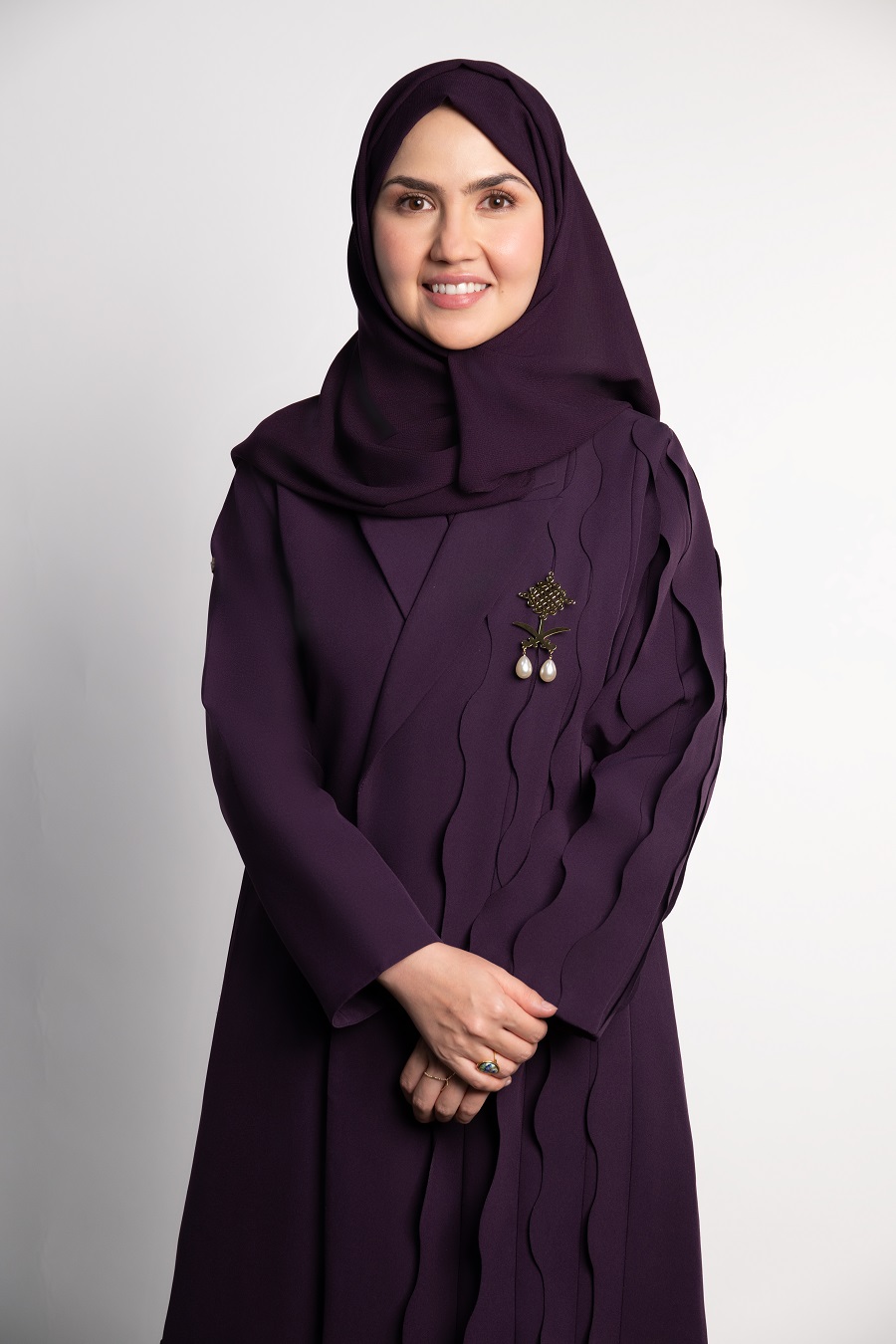
“I chose this research project because I wanted to address a significant challenge in Oman’s agricultural sector, post-harvest losses, which reduce food quality and limit the economic value of local produce. Conventional packaging, which is easily damaged during transportation, is a major factor in these losses, and I saw an opportunity to develop practical solutions.
“I also wanted to leverage my knowledge, experience and advanced tools to design innovative packaging solutions that reduce losses, improve food security and strengthen the resilience of agricultural sectors in Oman, the region and beyond.”