LONDON: A man convicted of terrorism offenses won a legal challenge against the British government on Tuesday for being unlawfully held in segregation for 22 hours a day after prison guards were attacked by another terrorism inmate.
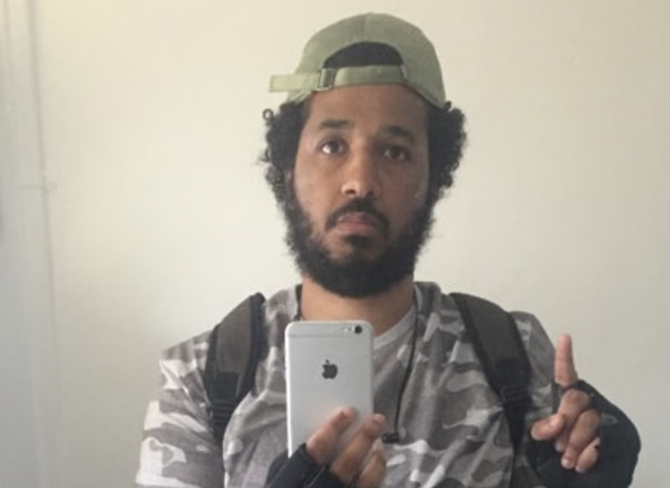
Sahayb Abu, who is serving a minimum 19-year prison term for planning an attack in Britain, took legal action against the Ministry of Justice.
He was one of several prisoners who were segregated after Hashem Abedi, the brother of a man who detonated a suicide bomb after an Ariana Grande concert in Britain in 2017, attacked prison guards in April at Frankland prison in northern England.
In response, Abu – who had previously been put in a separation center over concerns he could radicalize fellow inmates – and other people convicted of terrorism charges were relocated and put under strict segregation measures for staff safety.
Abu, who had pre-existing mental health issues, was locked in his cell for more than 22 hours per day and not permitted to associate with any other prisoner for more than four months, his lawyers told London’s High Court.
They said Abu’s segregation was severely detrimental to his mental health, triggering panic attacks and acts of self-harm, and that his segregation was unlawful.
Judge Clive Sheldon ruled that officials unlawfully failed to obtain information about Abu’s mental health condition, when they were aware segregation could make it worse.
The judge also ruled that Abu’s human right to freedom from inhuman or degrading treatment had been breached from mid-August, when he wrote to say that he would self-harm.
Sheldon said the segregation measures could have been lessened “without unduly compromising the safety of the staff,” though he added he might not have found a breach of the human rights of a prisoner “with an ordinary level of resilience.”
The Ministry of Justice did not immediately reply to a request for comment.

Convicted terrorist wins UK legal case over ‘unlawful’ prison segregation
https://arab.news/9k8sr
Convicted terrorist wins UK legal case over ‘unlawful’ prison segregation
- Lawyers said Abu’s segregation was severely detrimental to his mental health, triggering panic attacks and acts of self-harm
US military kills 6 in strike on alleged drug boat in the Eastern Pacific
- Sunday’s attack brought the death toll to at least 157 people since the Trump administration began targeting those it calls “narcoterrorists” in small vessels in early September
WASHINGTON: The US military said it killed six men Sunday in a strike on an alleged drug-smuggling vessel in the eastern Pacific Ocean as part of the Trump administration’s campaign against alleged traffickers.
Sunday’s attack brought the death toll to at least 157 people since the Trump administration began targeting those it calls “narcoterrorists” in small vessels in early September.
As with most of the military’s statements on the more than 40 known strikes in the Eastern Pacific Ocean and Caribbean Sea, US Southern Command said it targeted alleged drug traffickers along known smuggling routes. The military did not provide evidence that the vessel was ferrying drugs. It posted a video on X that showed a small boat being blown up as it floated on the water.
President Donald Trump has said the US is in “armed conflict” with cartels in Latin America and has justified the attacks as a necessary escalation to stem the flow of drugs into the United States. But his administration has offered little evidence to support its claims of killing “narcoterrorists.”
In a meeting with Latin American leaders on Saturday, Trump encouraged them to join the US in taking military action against drug-trafficking cartels and transnational gangs, which he said pose an “unacceptable threat” to the region’s national security.
To that end, Ecuador and the United States conducted military operations this past week against organized crime groups in the South American country.
With Saturday’s gathering, Trump aimed to demonstrate that he remains committed to focusing US foreign policy on the Western Hemisphere, even while waging a war on Iran that has had repercussions across the Middle East.
Critics have questioned the overall legality of the boat strikes as well as their effectiveness, in part because the fentanyl behind many fatal overdoses is typically trafficked to the US over land from Mexico, where it is produced with chemicals imported from China and India.
The boat strikes also drew intense criticism following the revelation that the military killed survivors of the very first boat attack with a follow-up strike. The Trump administration and many Republican lawmakers said it was legal and necessary, while Democratic lawmakers and legal experts said the killings were murder, if not a war crime.


