

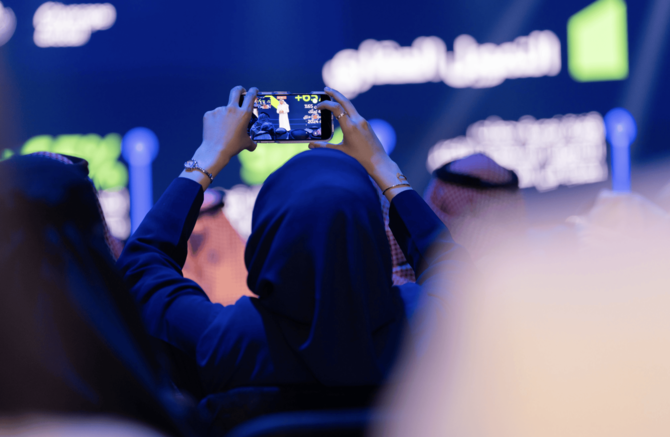

RIYADH: The 2025 edition of the Cityscape Global exhibition, which opened in Riyadh on Nov. 17, has emerged as a platform for multiple high-value project deals and announcements in the real estate sector.
On the opening day, Majid Al-Hogail, Saudi Arabia’s minister of municipal and rural affairs and housing, announced real estate agreements and deals exceeding SR161.2 billion ($42.3 billion), reflecting the continued expansion of the Kingdom’s property market.
Strengthening the real estate sector is a central pillar of Saudi Arabia’s Vision 2030 strategy, as the Kingdom accelerates efforts to diversify the economy and reduce reliance on crude revenues.
The Real Estate General Authority expects the domestic market to reach $101.62 billion by 2029, with an anticipated compound annual growth rate of 8 percent from 2024.
The latest edition of Cityscape Global also saw multiple agreements signed by leading property players.
NHC inks deal with Mountain View

SPA
National Housing Co. signed a SR2.64 billion agreement with Egypt-based Mountain View Co. to develop an integrated real estate project, including commercial components, in Riyadh’s Al-Fursan district, SPA reported.
The project covers more than 930,000 sq. meters and includes 1,923 villa-type residential units within an integrated urban environment.
Al-Fursan is the largest NHC destination in the Kingdom, spanning more than 35 million sq. meters and featuring over 50,000 housing units.
In a separate statement, Mountain View said its partnership with NHC underscores both parties’ commitment to transforming the Kingdom’s real estate landscape by delivering a residential project of global standards that supports urban development goals and enhances quality of life under Saudi Vision 2030.
Hassan Allam Holding partners with NHC
In another major deal, NHC signed a SR3 billion residential real estate development agreement with Hassan Allam Holding to develop a mixed-use project in Riyadh’s Khozam district.
The project spans more than 200,000 sq. meters and includes 2,600 residential units and mixed-use commercial components, according to SPA.
In a separate press statement, Hassan Allam, CEO of Hassan Allam Holding, said: “This milestone reflects our confidence in Saudi Arabia’s dynamic real estate sector and our commitment to long-term investment in the Kingdom.”
He added: “For decades, we have delivered landmark projects that connect people, infrastructure, and opportunity. Through this partnership with NHC, we are bringing that legacy to Riyadh, building communities that combine sustainable design with lasting value for residents.”
Makkah Gate Development Deal

SPA
NHC signed a sub-development agreement with Turkish developer Emlak Konut to build several allocated plots within the Makkah Gate destination.
SPA reported that the agreement covers 255,000 sq. meters and includes more than 1,000 residential villas.
The partnership strengthens investment ties between Saudi Arabia and Turkiye and reflects NHC’s efforts to attract leading international developers to the Kingdom.
MoU with Almana Group of Hospitals
Saudi Arabia’s Ministry of Municipalities and Housing signed a joint memorandum of understanding with Almana Group of Hospitals to enable investment and commercial opportunities and develop projects with both health and urban dimensions.
The MoU allows Almana Group to review available investment opportunities, assess feasibility, and evaluate optimal site use.
It also includes cooperation on health and service-related developments within the real estate ecosystem, supporting integrated urban environments with medical and community facilities aimed at improving quality of life.
“The signing of this MoU comes as an extension of the efforts of the Ministry of Municipalities and Housing to stimulate partnerships with the private sector to develop municipal and health services, and enhance the health sector’s investments in major development projects, in line with the objectives of the Kingdom’s Vision 2030,” reported SPA.
MoU to elevate sports projects
The Ministry of Municipalities and Housing also signed an MoU with the Ministry of Sports to develop the Kingdom’s urban environment through sports projects and related initiatives.
“This partnership between the two ministries will contribute to providing an attractive investment environment in the sports sector, enhancing the urban landscape in the Kingdom’s cities through the development of high-quality public spaces and open parks, and designing them in accordance with the needs of sports and community activities,” said SPA.
The agreement will expand private sector participation in developing and managing sports facilities within public parks and unlock new investment opportunities for specialized sports spaces.
Cooperation areas include developing zones around sports stadiums and improving public access to sports activities, as Saudi Arabia prepares to host major tournaments including the 2027 AFC Asian Cup and the 2034 FIFA World Cup.


