Saudi Arabia’s events infrastructure surges 32%, fueling tourism goals

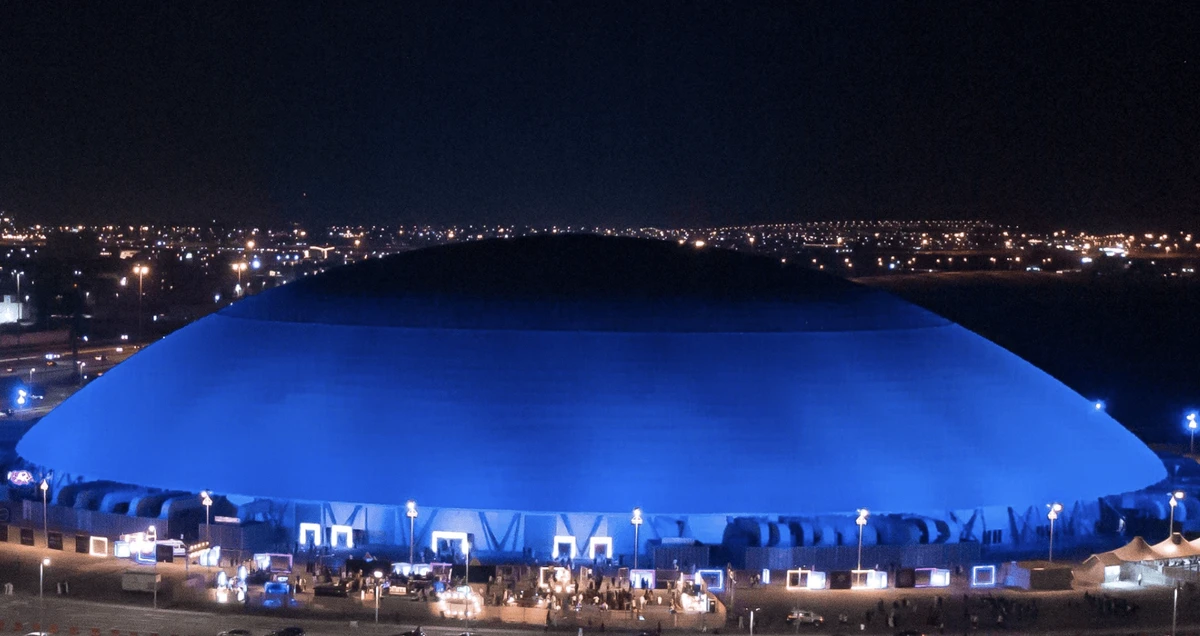
Jeddah Superdome is one of the key venues in Saudi Arabia’s business events infrastructure. Jeddah Superdome
Short Url
Updated 17 November 2025
Follow

Saudi Arabia’s events infrastructure surges 32%, fueling tourism goals

RIYADH: The Saudi Conventions and Exhibitions General Authority announced record growth in the Kingdom’s business events infrastructure, reporting a 32 percent year-on-year increase in capacity across 923 accredited venues. 

According to a statement, this expansion reflects significant investment aligned with Vision 2030’s tourism and event sector priorities, driving a 320 percent increase in exhibition space since 2018 to a total of 300,520 sq. meters.

Chairman of SCEGA, Fahd Al-Rasheed, said: “Saudi Arabia is creating unprecedented growth and opportunities for the business events sector, as Vision 2030 delivers a golden decade of events including Expo 2030 and the FIFA World Cup 2034.”

These figures were released in SCEGA’s latest event infrastructure snapshot, which highlights capacity growth across the Kingdom’s provinces as new tourism destinations open to the world. 

Riyadh, Makkah, and the Eastern Province collectively account for 90 percent of the capacity, led by major venues such as the Riyadh Exhibition and Conference Center in Malham, the Jeddah Superdome, and the Dhahran Expo Center.

Other provinces establishing their presence include Madinah with the King Salman International Conference Center, AlUla with Maraya Hall, Asir with the King Khalid University Conference Center, and Najran with the Prince Mishaal Exhibition Center.

Saudi Arabia’s burgeoning business event sector opportunities will be showcased to more than 2,000 global event leaders at the International Meetings, Incentives, Conferences and Exhibitions Summit, taking place between Nov. 26 to 27 in Riyadh.

This second edition of the event is set to provide attendees with unparalleled access to the world’s fastest-growing business events sector.

Al-Rasheed added: “The International MICE Summit will bring together decision-makers from across Saudi Arabia’s provinces including newly established destination management organizations, to collaborate with global event leaders and support Saudi tourism’s 2030 target of welcoming 150 million visitors.”

Saudi Arabia achieved its initial 2030 tourism target of 100 million visitors seven years ahead of schedule, leading to a revised upward target of 150 million.

The Kingdom welcomed 60.9 million visitors, both local and international, in the first half of 2025 alone, with total tourism spending crossing SR161.4 billion ($43 billion). The two-day IMS25 program will feature ministers, private sector CEOs, and commercial announcements.
Saudi minister at Davos urges collaboration on minerals

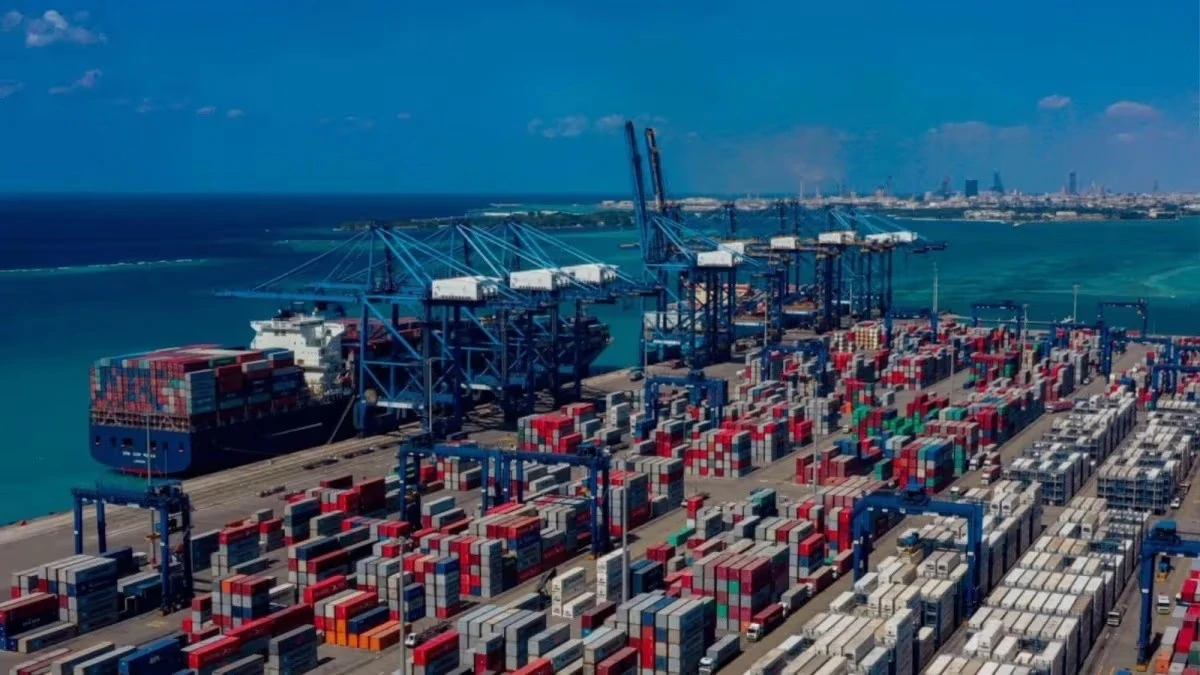
Global collaboration on minerals essential to ease geopolitical tensions and secure supply, WEF hears. (Supplied)
Updated 51 min 44 sec ago
Follow

Saudi minister at Davos urges collaboration on minerals

  • The reason of the tension of geopolitics is actually the criticality of the minerals

LONDON: Countries need to collaborate on mining and resources to help avoid geopolitical tensions, Saudi Arabia’s minister of industry and mineral resources told the World Economic Forum on Tuesday.

“The reason of the tension of geopolitics is actually the criticality of the minerals, the concentration in different areas of the world,” Bandar Alkhorayef told a panel discussion on the geopolitics of materials.

“The rational thing to do is to collaborate, and that’s what we are doing,” he added. “We are creating a platform of collaboration in Saudi Arabia.”

Bandar Alkhorayef, Saudi Minister of Industry and Mineral Resources 

The Kingdom last week hosted the Future Minerals Forum in Riyadh. Alkhorayef said the platform was launched by the government in 2022 as a contribution to the global community. “It’s very important to have a global movement, and that’s why we launched the Future Minerals Forum,” he said. “It is the most important platform of global mining leaders.”

The Kingdom has made mining one of the key pillars of its economy, rapidly expanding the sector under the Vision 2030 reform program with an eye on diversification. Saudi Arabia has an estimated $2.5 trillion in mineral wealth and the ramping up of extraction comes at a time of intense global competition for resources to drive technological development in areas like AI and renewables.

“We realized that unlocking the value that we have in our natural resources, of the different minerals that we have, will definitely help our economy to grow to diversify,” Alkhorayef said. The Kingdom has worked to reduce the timelines required to set up mines while also protecting local communities, he added. Obtaining mining permits in Saudi Arabia has been reduced to just 30 to 90 days compared to the many years required in other countries, Alkhorayef said.

“We learned very, very early that permitting is a bottleneck in the system,” he added. “We all know, and we have to be very, very frank about this, that mining doesn’t have a good reputation globally.

“We are trying to change this and cutting down the licensing process doesn’t only solve it. You need also to show the communities the impact of the mining on their lives.”

Saudi Arabia’s new mining investment laws have placed great emphasis on the development of society and local communities, along with protecting the environment and incorporating new technologies, Alkhorayef said. “We want to build the future mines; we don’t want to build old mines.”