NEW DELHI: Indian agricultural exporters are among the winners from US President Donald Trump’s exemption of dozens of food items from his reciprocal tariffs regime, which some analysts say could help to revive lost demand.
Trump on Friday removed tariffs he had imposed on more than 200 food products, including beef, as consumer concerns mount over rising US grocery prices.
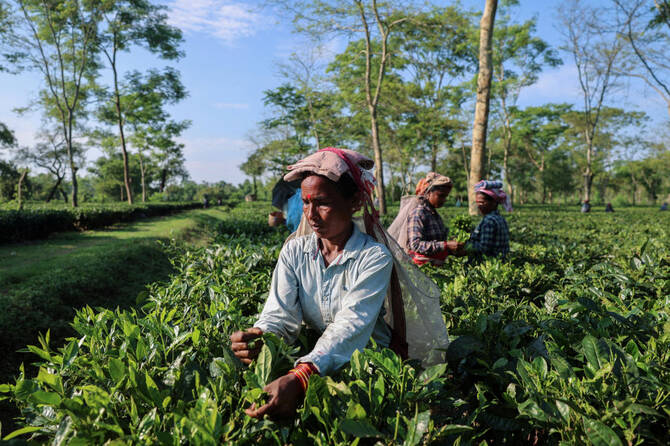
Unlike EU and Vietnamese suppliers facing 15–20 percent duties, Indian exporters of tea, coffee, spices and cashew nuts were hit harder after Trump doubled tariffs to as high as 50 percent on imports of certain Indian goods, including a punitive 25 percent levy from the end of August on India’s Russian oil purchases.
Ajay Sahai, director general of the Federation of Indian Export Organizations (FIEO), says that between $2.5 billion and $3 billion of exports will benefit from the tariff exemptions.
Positive signal for wider trade talks
“This order opens space for premium, speciality and value-added products,” he said. “Exporters who shift toward higher-value segments will be better protected from price pressures and can tap rising consumer demand.”
Officials involved in trade and farm export policy said the exemptions are also a positive signal for ongoing US–India trade talks and could ease export pressure triggered by this year’s tariff increases.
Exports of Indian goods to the US fell nearly 12 percent year on year in September to $5.43 billion after tariffs were raised. Indian farm exports, estimated to account for $5.7 billion of the country’s $87 billion exports to the US in 2024, were among those hit.
“The move benefits Indian farmers and exporters of tea, coffee, cashew and fruits and vegetables,” a senior official involved in Indian farm export policy said on condition of anonymity.
Ajay Srivastava, founder of the Global Trade Research Initiative lobby group, said India’s US-bound farm exports — focused on a few high-value spices and niche products — would register limited gains given its weak presence in key exempt items such as tomatoes, citrus fruits, melons, bananas and fruit juices.
“The tariff shift would marginally strengthen India’s position in spices and niche horticulture and help revive some lost US demand after the tariff hikes,” Srivastava added.
Latin American, African and ASEAN suppliers are likely to make larger gains, he said, adding that it was not immediately clear whether Indian exports will be exempt from 25 percent reciprocal tariffs or full 50 percent tariffs.
Exporters, however, fear that other factors will keep potential gains in check, pointing to high freight costs, strong competition from Vietnam and Indonesia and tougher US quality requirements.
“Tariff relief is important, but market recovery also depends on logistics and our ability to match prices,” one exporter said.


![]()

Trump tariff rollback offers relief for Indian farmers
Short Url
https://arab.news/cmcsu
Trump tariff rollback offers relief for Indian farmers
- Indian exporters had been hit harder than EU rivals among others
- Coffee, spices and tea among exempt products


Latest updates


© 2026 SAUDI RESEARCH & PUBLISHING COMPANY, All Rights Reserved And subject to Terms of Use Agreement.