

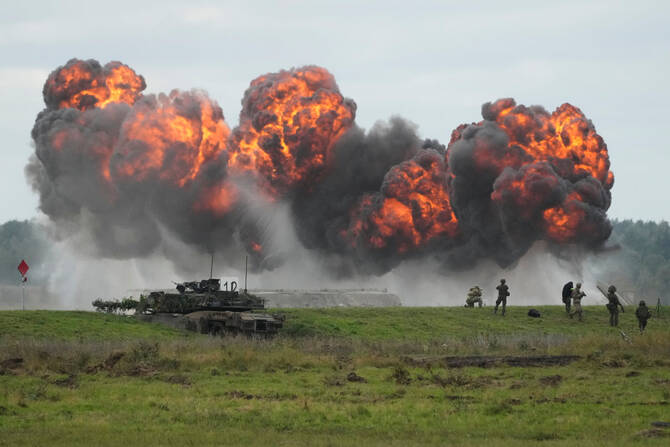
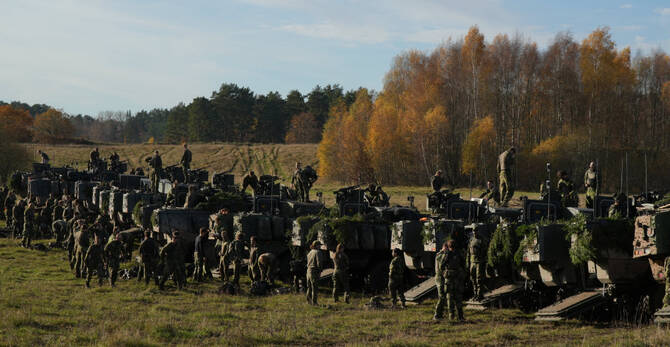

BERLIN: Russia must never come to the assumption that it can win a war against NATO or one of the alliance’s members, Germany’s Chief of Defense Carsten Breuer warned in a speech to the country’s top military brass in Berlin on Friday.
“We need to look into the lessons learned from the war in Ukraine, adapt them for ourselves and develop our own concepts and structures accordingly because the war in Ukraine is our teacher,” Breuer said, adding that Moscow expected a quick win when it invaded its neighbor in 2022.
“We must prevent Russia from another miscalculation like this. Russia must never come to the assumption that it can win a war against NATO or a single NATO country.”
Another top German military official warned that Russia has capacity for a limited attack against NATO territory at any time but a decision to act would depend on the Western allies’ posture.
“If you look at Russia’s current capabilities and combat power, Russia could kick off a small-scale attack against NATO territory as early as tomorrow,” Lt. Gen. Alexander Sollfrank told Reuters in an interview. “Small, quick, regionally limited, nothing big — Russia is too tied down in Ukraine for that.”
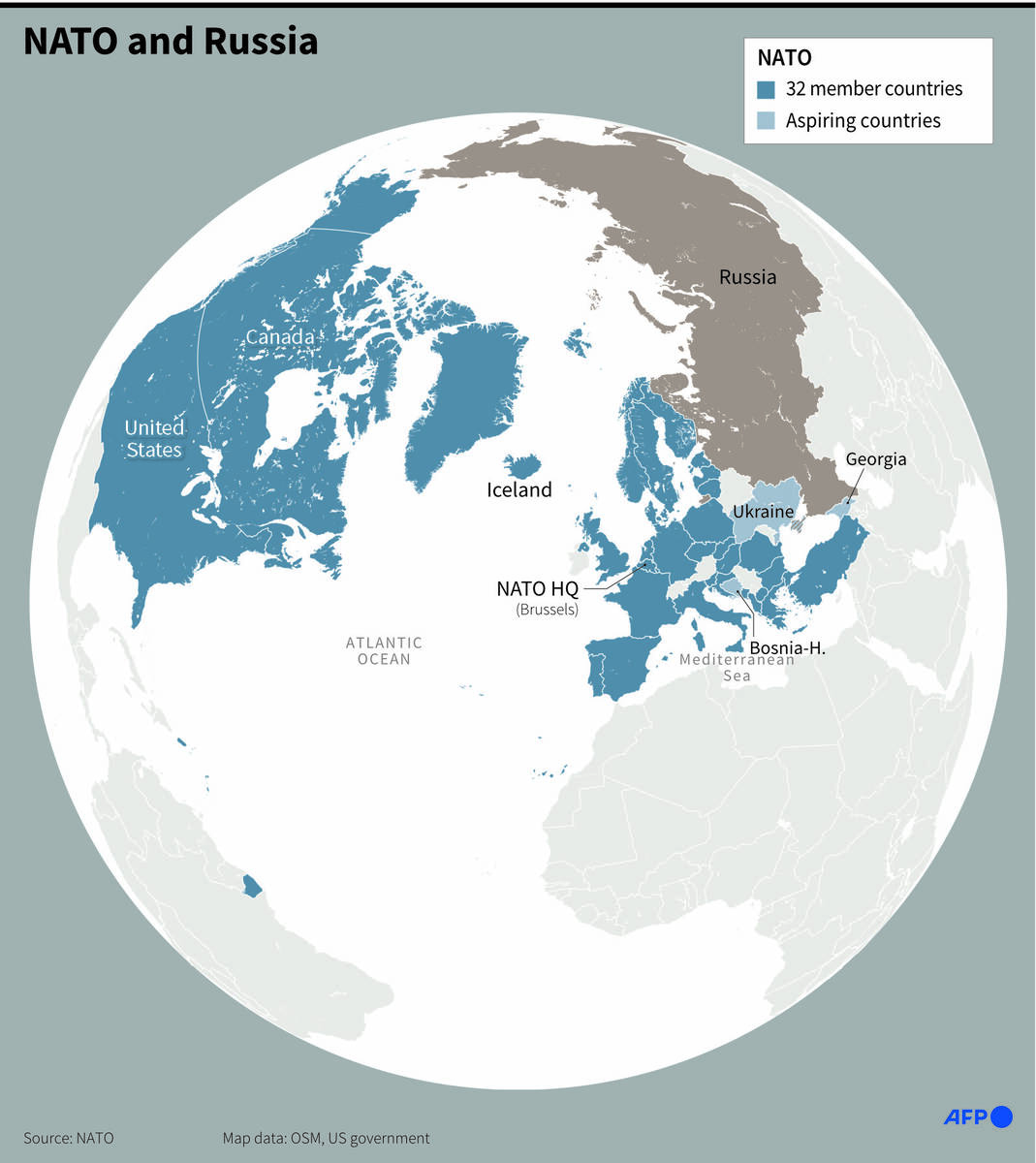
Sollfrank, who heads Germany’s joint operations command and oversees defense planning, also echoed NATO warnings that Russia could potentially mount a large-scale assault on the 32-member alliance as early as 2029 if its armament efforts persist.
President Vladimir Putin denies aggressive intentions, saying Moscow’s 2022 full-scale invasion of Ukraine was defense against NATO’s own expansionist ambitions against Russia.
Speaking at his headquarters, a sprawling barracks in the north of Berlin, Sollfrank said that despite setbacks in Ukraine, Russia’s air force retains substantial combat strength, and its nuclear and missile forces remain unaffected.
And while the Black Sea Fleet has suffered significant losses, other Russian fleets have not been reduced, he said.
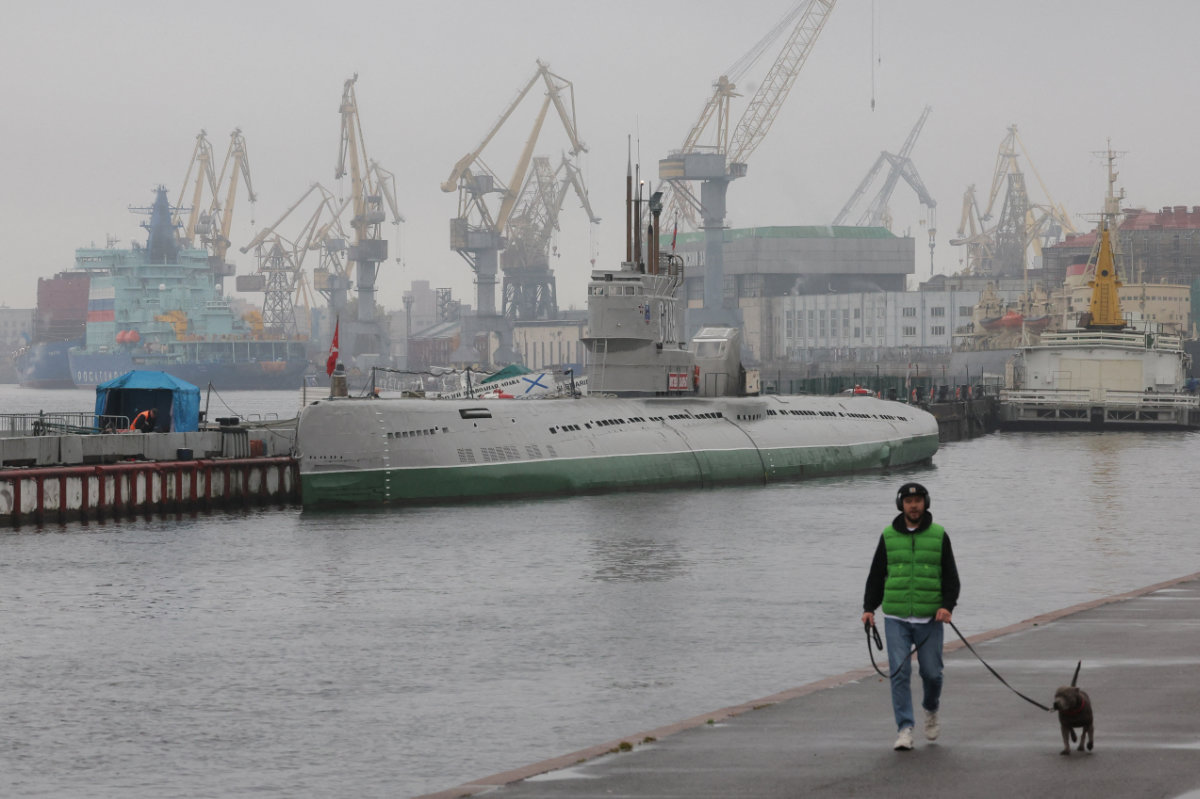
Despite the battering the Russian fleet had suffered from Ukrainian attacks in the Black Sea, the Russian Navy remains a force to reckon with. (Reuters)
“The ground forces are suffering losses, but Russia says it aims to boost its total troop numbers to 1.5 million soldiers.
“And Russia has enough main battle tanks to make a limited attack conceivable as early as tomorrow,” Sollfrank added, without saying such an attack was currently being planned.
Sollfrank has led the joint operations command since its establishment in 2024, a move that reflected a major shift away from expeditionary missions such as in Afghanistan or Mali back toward the defense of NATO territory. Before taking over his current job, Sollfrank ran NATO’s logistics command JSEC in the southern German town of Ulm.
‘Russian attack in the realm of the possible’
Recent drone incursions into Polish airspace have stoked Western fears of Russian escalation. Earlier this year, Berlin loosened its constitutional debt brake to meet NATO’s new core military spending target of 3.5 percent of national output by 2029, a move that will boost defense spending to some 160 billion euros ($187 billion) in 2029 from almost 100 billion euros in 2025. Additionally, Germany plans to expand its armed forces by 60,000 troops, bringing its total military personnel to around 260,000.
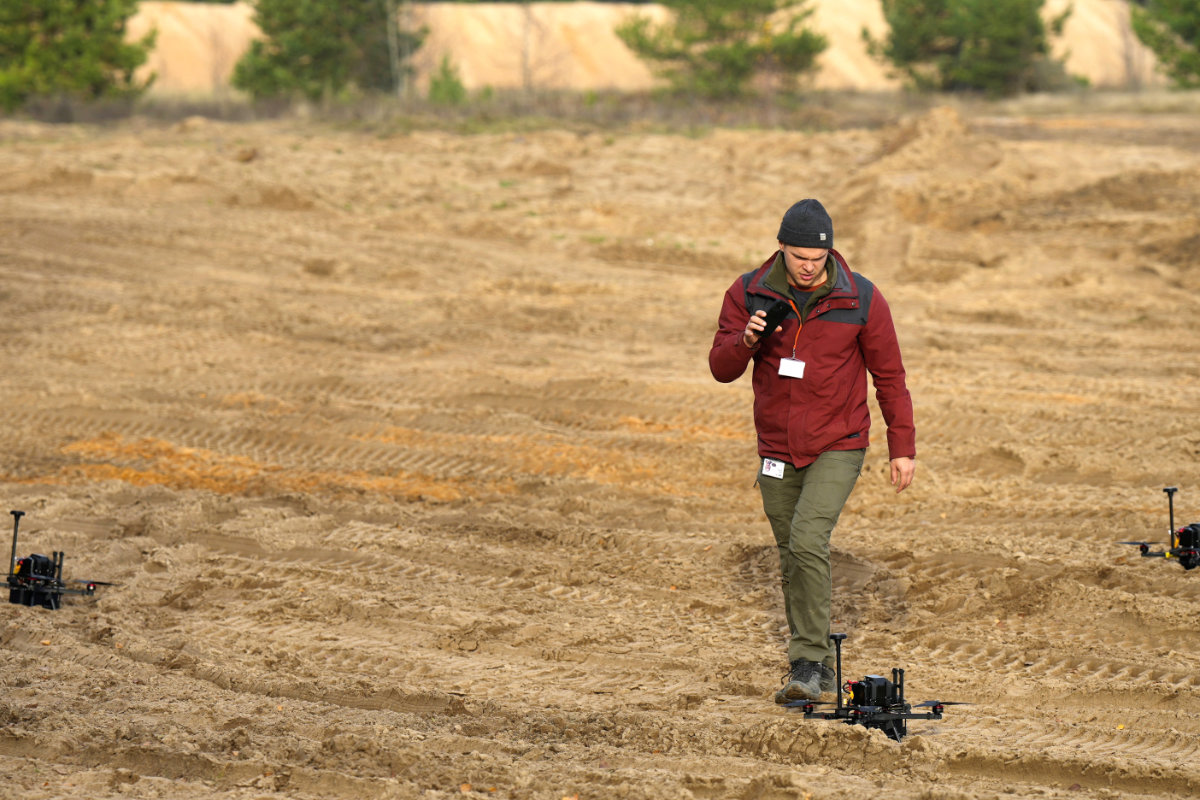
A specialist inspects drones during NATO's Digital Backbone Experimentation (DiBaX) media day in Adazi, Latvia, on November 7, 2025. (REUTERS)
Sollfrank said whether Moscow might choose to attack NATO would be determined by three factors: Russia’s military strength, military track record and leadership.
“These three factors lead me to the conclusion that a Russian attack is in the realm of the possible. Whether it will happen or not depends to a large extent on our own behavior,” he added, alluding to NATO’s deterrence efforts.
The general noted that Moscow’s hybrid warfare tactics, including drone incursions, should be viewed as interconnected elements of a strategy that also included the war on Ukraine.
“The Russians call this non-linear warfare. In their doctrine, this is warfare before resorting to conventional weapons. And they threaten to use nuclear weapons — which is warfare by intimidation,” Sollfrank said.
Russia’s aim, he added, was to both provoke NATO and to gauge its response, in order to “foster insecurity, spread fear, to do damage, to spy and to test” the alliance’s resilience.


