- It finds Sudanese Armed Forces and Rapid Support Forces guilty of ‘ethnically targeted executions, sexual violence and deliberate use of starvation as weapon of war’
- ‘Destruction of essential infrastructure has defined this war,’ including attacks by the SAF and RSF on hospitals, markets, water systems and humanitarian convoys
NEW YORK CITY: Both of the warring factions in Sudan’s civil war, the Sudanese Armed Forces and the paramilitary Rapid Support Forces, are committing war crimes and crimes against humanity, according to the UN’s Independent International Fact-Finding Mission for the Sudan.
Speaking on behalf of the mission, which presented its investigative report to the UN General Assembly’s Third Committee on on Thursday, Joy Ngozi Ezeilo said its investigations documented large-scale atrocities committed by both sides, including “ethnically targeted executions, sexual violence and the deliberate use of starvation as a weapon of war.”
Describing the findings as “direct and harrowing,” she continued: “Our initial investigations point to a deliberate pattern of ethnically targeted executions of unarmed civilians, assaults, sexual violence, widespread looting and destruction of vital infrastructure, and mass forced displacement.”
The mission said the atrocities had intensified during and after the fall of the besieged city of El-Fasher to the RSF, when civilians, particularly those from non-Arab communities, were targeted.
“Our fact-finding mission has gathered verified videos and testimonies showing ongoing attacks against civilians,” Ezeilo said.
The RSF’s campaign in El-Fasher and the nearby Zamzam and Abu Shawk camps included mass killings, torture, rape, sexual slavery, pillaging, forced displacement, and starvation tactics, the mission found. Thousands of civilians, mostly from non-Arab communities, were killed.
“Widespread sexual violence has characterized this conflict,” Ezeilo said, adding that women and girls, some as young as 10 years old, were subjected to rape, gang rape, sexual slavery and forced marriage. Men and boys, too, fell victim to sexual violence.
“These crimes are not isolated incidents but part of a deliberate strategy to punish, intimidate and erase ethnic identities,” she said.
The mission concluded that these large-scale, systematic and lethal attacks amounted to war crimes and crimes against humanity, including persecution on intersecting gender, political and ethnic grounds.
The fact-finders also accused the RSF’s rival, the Sudanese Armed Forces, of serious violations amounting to war crimes. These included indiscriminate airstrikes on populated areas and civilian infrastructure, reprisal attacks against civilians, and failure to protect hospitals, medical workers and humanitarian operations.
Ezeilo said the mission was “particularly concerned” that two senior World Food Programme officials had been ordered to leave Sudan on Wednesday, exacerbating an already dire humanitarian situation.
“Destruction of essential infrastructure has defined this war,” Ezeilo said, highlighting attacks by both the SAF and RSF on hospitals, markets, water systems and humanitarian convoys.
Less than a quarter of health facilities remain operational, and nearly 25 million people face acute food insecurity.
“The combination of starvation tactics, mass killings and destruction of infrastructure by the RSF may amount to extermination as a crime against humanity,” the mission warned.
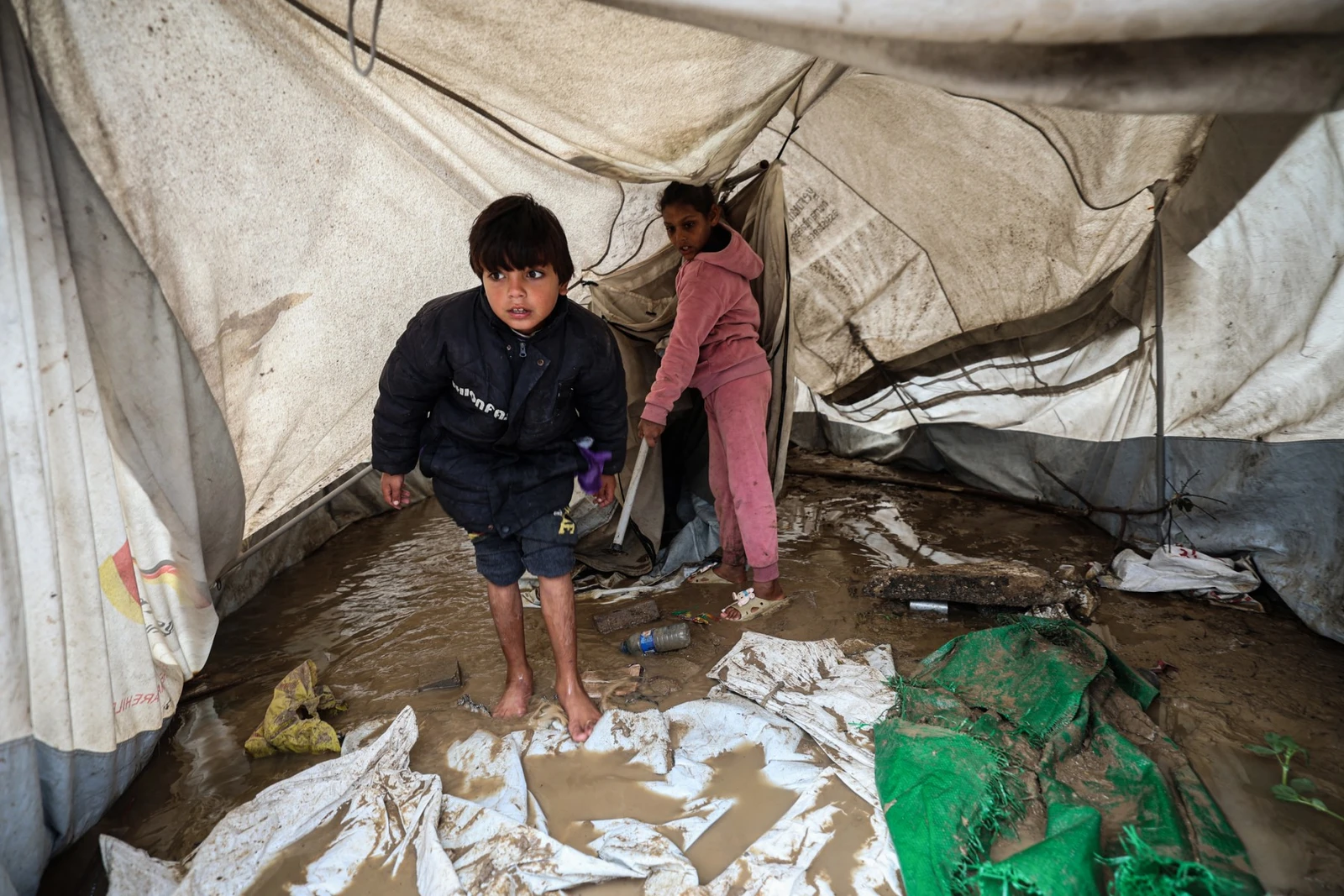
Civic life across Sudan has “collapsed,” Ezeilo said, with cities and towns in ruins and more than 11 million people displaced inside and outside the country. Humanitarian access remains blocked amid worsening levels of starvation and disease among trapped civilians.
Those who have fled El-Fasher include wounded and unaccompanied children, while women face further sexual violence during their desperate journeys to escape the city.
“This is only the latest chapter in the book of brutality,” Ezeilo said.
According to the investigators, authorities in Sudan are “unwilling and unable” to conduct genuine investigations or prosecutions relating to international crimes. The country’s justice system is marked by “impunity, selective justice, lack of fair trial guarantees and a failure to protect victims or provide remedies,” they said.
“Our report therefore sets out a path to justice through inclusive Sudanese dialogue,” Ezeilo said. Victims and survivors have “the right to know the truth about violations committed, the fate of the missing, and the role of authorities,” she added, as well as the right to see perpetrators held accountable through fair trials.
The mission called for expansion of the International Criminal Court’s jurisdiction over all of Sudan, and the creation of an independent judicial mechanism to complement the work of the court.
Ezeilo welcomed the ICC’s Oct. 6 judgment in a trial that began in 2022 which found former Janjaweed militia leader Ali Kushayb guilty of 27 counts of war crimes and crimes against humanity in Darfur more than 20 years ago. She described the verdict as proof that “accountability is possible.” The RSF primarily consists of Janjaweed militias.
She also urged states to apply universal jurisdiction to the prosecution of international crimes, saying this was “not interference but a shared duty to uphold international law.”
Ezeilo said “justice must include reparations,” and stressed that victims “cannot wait for peace to receive assistance.”
The mission proposed the creation of a specialist office for victim support and reparations, to help provide interim aid including shelter, food, medical care, psychological support, education and livelihood assistance.
It also called on all states to use their influence to halt the fighting and achieve peace, and urged all parties involved in the war to cease hostilities, protect civilians and respect the principles of international law. However, it warned that peace in the country cannot be sustained without reforms.
“Sustainable peace requires transforming Sudan’s justice and security sectors,” the mission said. Reforms are needed to end the immunity for state actors, align Sudan’s domestic laws with international standards, restore judicial independence, and ensure no one is above the law.
“These reforms must be rooted in an inclusive, democratic transition,” Ezeilo said, and “women must be at the center of these efforts.”
She concluded: “Justice is not optional. It is the path to peace — for without justice, peace is a mirage.”