- PM appoints first Director General as Tax Policy Office begins work under Finance Division
- Move fulfills IMF condition to separate tax policy from revenue collection by Federal Board of Revenue
ISLAMABAD: Pakistan has operationalized its newly established Tax Policy Office (TPO) by appointing senior tax expert Dr. Najeeb Ahmed Memon as its first Director General, the government has said, marking a major structural reform separating tax policy from tax administration.
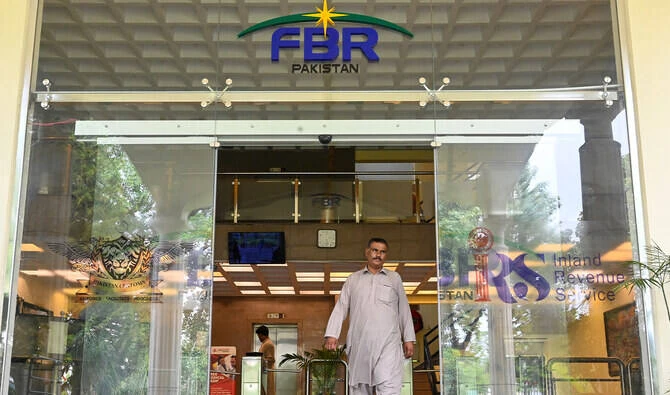
The step fulfills a commitment under Pakistan’s ongoing IMF program, which required shifting tax policy formulation out of the Federal Board of Revenue (FBR) to address long-standing concerns that the same institution should not design taxes and collect them. The TPO will function under the Finance Division, while the FBR will now serve solely as a tax collection authority.
“The TPO will lend support to the analysis of tax policies and proposals through data modeling, revenue and economic forecasting as well as the country’s international tax treaties and obligations,” the notification for the Tax Policy Office said.
“The responsibilities and structure of the TPO may be amended as deemed necessary for its optimal functioning with the approval of the Federal Cabinet.”
The office will report directly to the Finance Minister, and will lead budget-related tax policy preparations beginning with the 2026-27 federal budget.
The TPO was first notified in February 2025, but had remained dormant until the appointment of its leadership. Officials said rules, staffing procedures and operational protocols will be finalized in the coming weeks.
Dr. Memon, who has over two decades of experience in tax law, policy design and international taxation, has previously worked with the World Bank, GIZ, HM Revenue & Customs, and Tax Inspectors Without Borders.
Besides Memon, several directors have also been appointed under a special professional pay scale for business taxation, international taxation, direct and indirect taxation, and personal taxation.
The separation of tax policy and tax collection has been a long-standing structural benchmark in Pakistan’s IMF programs aimed at improving revenue-raising capacity, widening the tax base, and reducing discretionary exemptions.