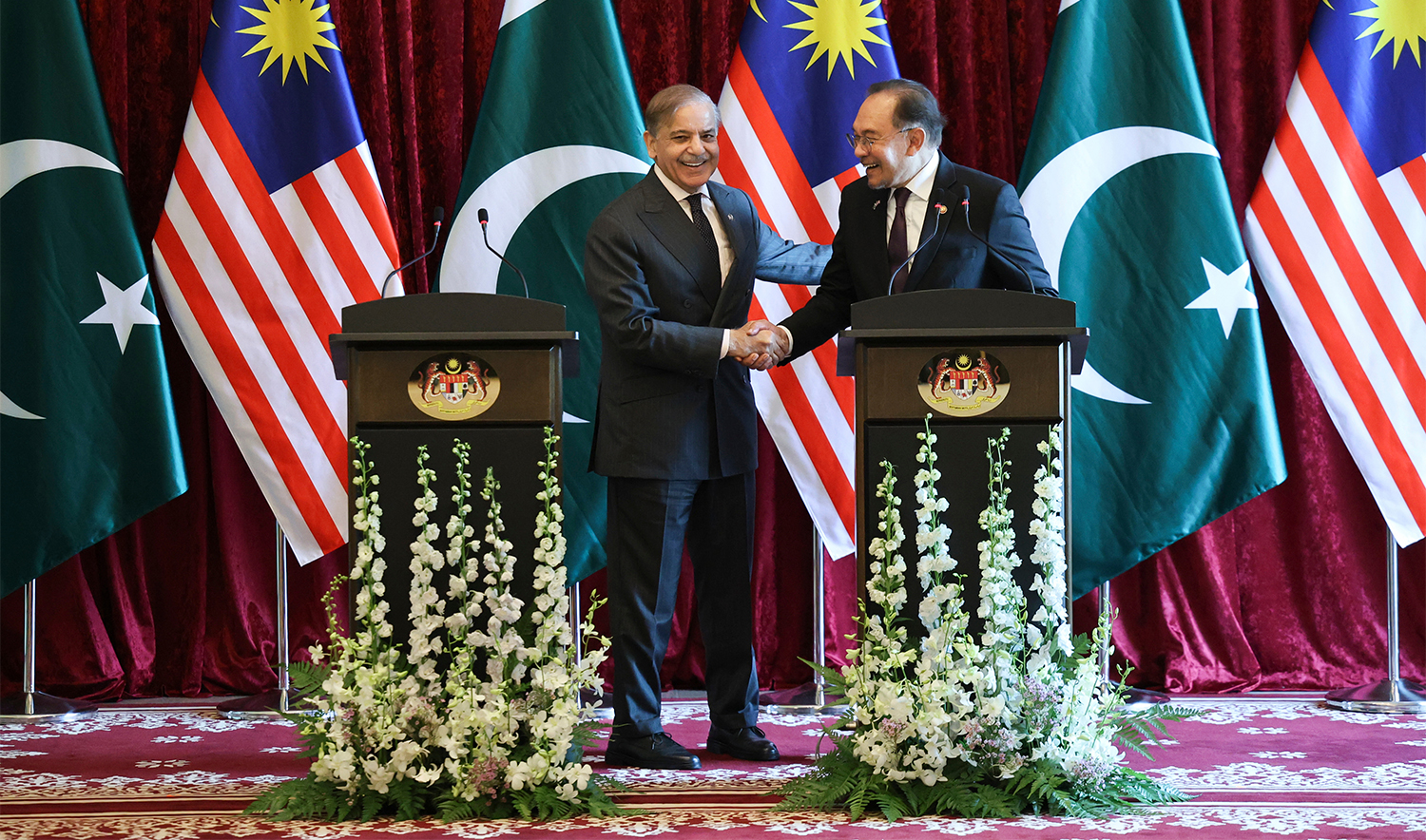
ISLAMABAD: Pakistan and Malaysia on Monday announced a new $200 million halal meat trade quota and pledged to deepen cooperation in the digital economy, agriculture and education as part of a renewed effort to expand economic and strategic ties between the two Muslim nations.
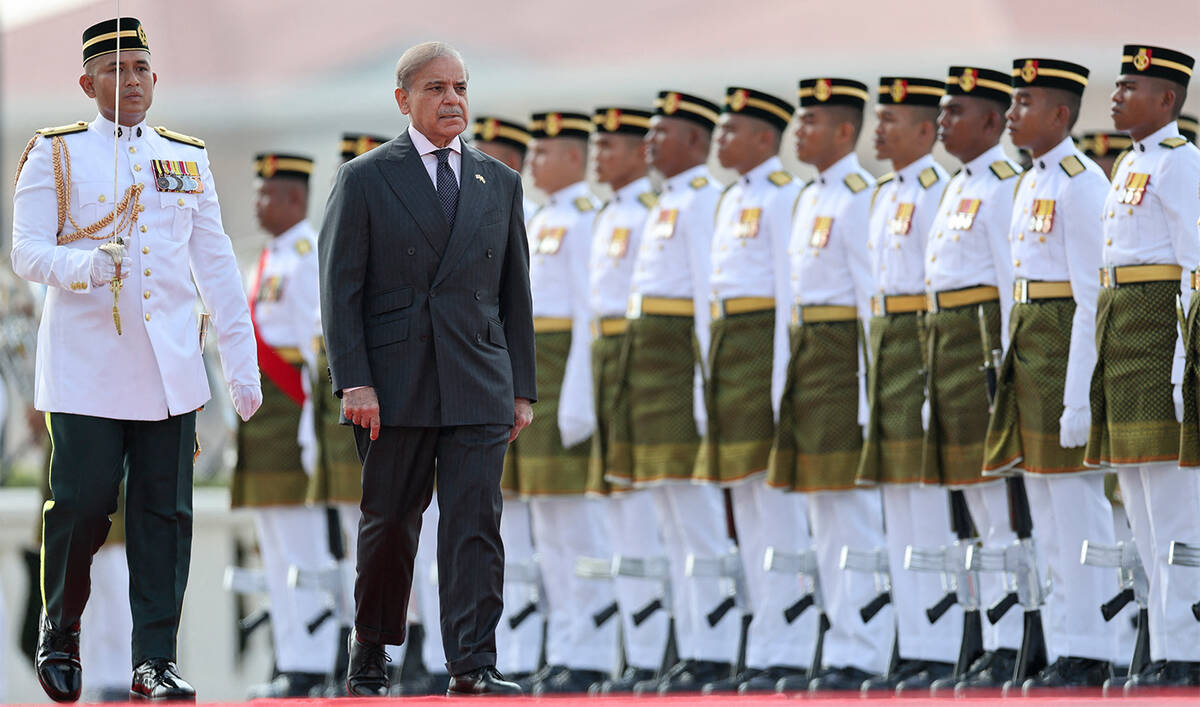
The announcement came during Pakistani Prime Minister Shehbaz Sharif’s three-day visit to Malaysia, where he held wide-ranging talks with Malaysian Prime Minister Anwar Ibrahim.
Addressing a joint press conference with Sharif, Ibrahim said Kuala Lumpur had already increased rice imports from Pakistan and was now prepared to facilitate beef and meat imports under a new halal trade framework.
Anwar added that the decision followed discussions with Sharif, who had proposed expanding agricultural exports to Malaysia, including up to $200 million worth of meat. He said both governments had also agreed to explore new areas of collaboration in science, technology, engineering, mathematics (STEM), innovation, digital industries, and semiconductors, noting Pakistan’s strong early performance in these sectors among Muslim nations and Malaysia’s readiness to build on that potential.
“This quota of exporting meat to Malaysia will be regulated by market price mechanisms and all halal certification required by Malaysian authorities,” Sharif assured Ibrahim as he addressed the joint press conference in Putrajaya.
“We will make all possible efforts to meet your conditionalities so that this cooperation expands further in the years ahead.”
Ibrahim said Malaysia welcomed Pakistan’s growing role in halal production and would facilitate increased imports of beef and meat products.
“There is an interest to export beef, meat, into Malaysia. We will facilitate this, of course,” he said.
Beyond agricultural trade, both leaders discussed expanding partnerships in AI, digital innovation, and vocational and technical training, with Sharif calling for joint ventures that combine Malaysian expertise and Pakistani talent.
The two sides also reaffirmed commitments under the Malaysia-Pakistan Closer Economic Partnership Agreement (MPCEPA), which provides preferential access for goods and services.
On global and regional issues, Ibrahim praised Pakistan’s stance on counterterrorism and its support for peace in South Asia, while both leaders backed US President Donald Trump-led efforts for a ceasefire and humanitarian access in Gaza.
Cultural diplomacy also featured in the visit, with Sharif launching the Urdu translation of Ibrahim’s book “SCRIPT,” calling it a bridge between Islamabad and Kuala Lumpur.
Sharif, on his first official visit to Malaysia as prime minister, said Pakistan aimed to learn from Malaysia’s advances in technology, skills development and economic management.
Bilateral trade between Pakistan and Malaysia currently stands at around $1.4 billion annually, according to official data from both governments. Pakistan exported goods worth about $515 million to Malaysia in 2024, while imports from Malaysia were valued at nearly $960 million, leaving Islamabad with a trade deficit of roughly $445 million, according to the State Bank of Pakistan and the Malaysian external trade statistics.
Malaysia’s exports to Pakistan are dominated by palm oil and other vegetable fats, as well as machinery, rubber products, and organic chemicals, while Pakistan’s main exports to Malaysia include rice, textiles, seafood, and minerals. Officials say there is growing interest in diversifying the trade basket beyond commodities toward IT services, halal certification and higher-value manufactured goods.
The two countries have traded under the Malaysia-Pakistan Closer Economic Partnership Agreement (MPCEPA) since 2008, which provides preferential market access for goods and services.
In October 2024, they signed four new memorandums of understanding to boost cooperation in trade, investment, and industrial collaboration, and later agreed to renegotiate and modernize their bilateral free trade framework to reflect emerging opportunities in digital and sustainable sectors.