

Jeddah shines as Saudi Arabia’s best city for quality of life, ranks second in Arab world

1 / 3
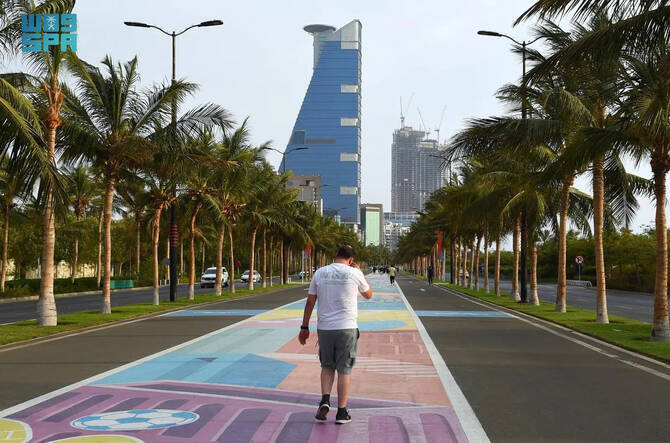
Jeddah has been placed 74th globally in the Quality of Life Index for 2025, according to data from Numbeo. (File/SPA)
2 / 3
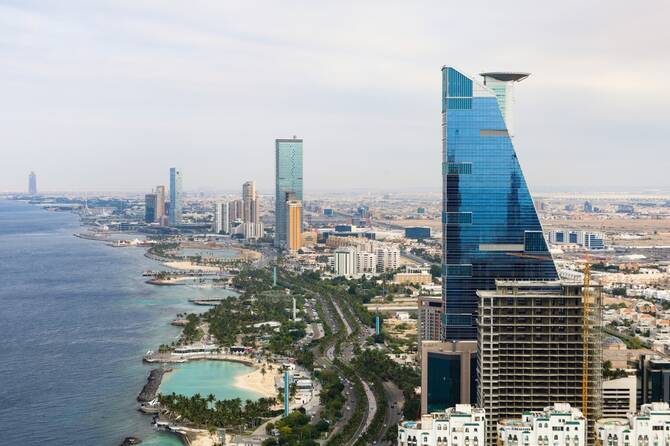
Jeddah has been placed 74th globally in the Quality of Life Index for 2025, according to data from Numbeo. (File/Shutterstock)
3 / 3
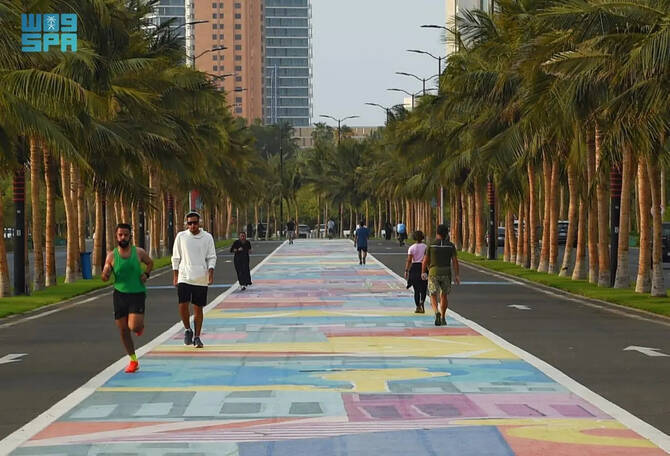
Jeddah has been placed 74th globally in the Quality of Life Index for 2025, according to data from Numbeo. (File/SPA)
Short Url
Updated 29 September 2025
Follow

Jeddah shines as Saudi Arabia’s best city for quality of life, ranks second in Arab world

  • Jeddah Municipality has completed landmark projects to reshape urban landscape

RIYADH: Jeddah has been placed 74th globally in the Quality of Life Index for 2025, according to data from Numbeo that enables users to view, share, and compare information about cities worldwide.

It is the highest-ranked city in Saudi Arabia and the second in the Arab world after Muscat, the Saudi Press Agency reported on Monday.

The achievement is attributed to continuous improvements in safety, healthcare, infrastructure development, the provision of modern public facilities, and the city’s commitment to transforming developmental ambitions into tangible realities that serve both residents and visitors.

Under the umbrella of the Ministry of Municipal and Rural Affairs and Housing, and in line with the Quality of Life Program within Saudi Vision 2030, Jeddah Municipality has completed landmark projects that have helped to reshape the city’s urban landscape.

Among the most prominent projects are the coastal developments, which include five integrated waterfronts.

These areas feature walking and cycling paths, public squares, children’s play areas, and artistic sculptures, making the sea a part of the city’s daily life. Along the waterfronts, service facilities such as restaurants, cafes, rest areas, and piers allow visitors to explore the coastline up close.

“Jeddah has become more pedestrian-friendly, in my opinion. Also, there are now huge spaces across the city for outdoor activities,” resident Hala Hussain told Arab News.

She added that these outdoor activities are ideal during the cooler months of the year.

Hussain added: “The sea is part of our identity as Jeddawis, and seeing all these changes to accommodate our life near the sea makes us feel connected to nature.”

These projects include continuous beach maintenance programs which ensure cleanliness, protect the marine environment, and raise community awareness about the importance of preserving these spaces.

The municipality has also opened more than 445 parks spread across different neighborhoods, including specialized areas like Al-Saja Park, which features pathways and interconnected gardens and serves as a model for green space planning.

Prince Majid Park, the largest of its kind, spans over 130,000 sq. meters and boasts shaded walkways and family-friendly play areas, making it a gathering point for all generations.

Jeddah Municipality’s projects also focus on enhancing pedestrian pathways, installing modern lighting systems, and expanding sidewalks to increase comfort and safety.

These initiatives have encouraged residents to engage in physical activities and improved their daily mobility, while the municipality has also enhanced cleaning and maintenance programs. These include sidewalk and highway cleaning, removal of large amounts of waste, including unwanted concrete barriers, as well as the regulation of street vendors to ensure a healthy and safe urban environment.

The municipality has also invested in developing central areas by improving neighborhood centers, upgrading commercial and service facilities, and creating spaces for community activities. 

Jeddah has adopted innovative waste management programs, including waste sorting at source, converting waste into resources, and monitoring pollution, which has positively impacted air quality and environmental comfort within the city.

With its balanced approach to coastal, public facility, and community service projects, Jeddah has shown itself to be both an economic and tourist hub, and stands as a living example of a good quality of life, in which natural environments seamlessly merge with infrastructure and services to offer a comprehensive urban experience that meets the needs of both residents and visitors.


Saudi reserve given ‘dark sky’ listing in boost to astrotourism ambitions 

Updated 5 sec ago
Follow

Saudi reserve given ‘dark sky’ listing in boost to astrotourism ambitions 

  • Imam Turki bin Abdullah Royal Reserve Development Authority announced on Monday that the desert received official accreditation from DarkSky International

RIYADH: Saudi Arabia’s Nafud Desert has been listed as one of more than 250 Dark Sky Sites worldwide, which authorities say marks a commitment to protecting the environment from light pollution. 

Imam Turki bin Abdullah Royal Reserve Development Authority announced on Monday that the desert received official accreditation from DarkSky International, the global body committed to tackling light pollution in urban and rural areas. 

Welcoming the accreditation, Ahmed Al-Qarni, official spokesperson at the royal reserve, told Arab News: “It’s a new achievement in the journey of protecting nature and astronomy in Saudi Arabia. 

“The adoption of the Great Nafud Desert in Imam Turki bin Abdullah Royal Reserve by the International DarkSky Association, as the largest site in the Middle East, (represents) a culmination of a precise scientific path, and another step that enhances the Kingdom’s position as a leading destination in sustainability, nature protection, and astronomical tourism.” 

Abouazza El-Mhamdi, associate professor in the physics and astronomy department at King Saud University’s College of Science, said that the announcement is a “a major achievement for both science and tourism. 

“This accreditation protects the pristine night sky from light pollution, creating an invaluable natural laboratory for astronomers,” he added. 

“It provides an ideal Saudi location for adequate Earth-based telescopes and is a prime candidate for detailed site surveys, enabling sensitive observations of stars and galaxies. 

“At the same time, it establishes the reserve as a premier global destination for stargazing and astrotourism, supporting sustainable economic growth.” 

The reserve development authority also posted on X: “Away from the clamor of the lights ... there is a darkness that shines. 

“We are proud of the adoption of the Great Nafud Desert within the Imam Turki bin Abdullah Royal Reserve as one of the dark sky places certified by the DarkSky International.” 

Located within the reserve east of the Hail-Al Jawf road, the Great Nafud Desert covers an area of about 13,416 sq. km, making it one of the largest accredited Dark Sky Sites in the region and one of the least light-polluted sites in the Kingdom, the Saudi Press Agency reported. 

Fulfilling the organization’s criteria was the result of comprehensive scientific work that included field studies, precise astronomical observations, advanced nighttime analyses, and the implementation of specialized engineering practices for managing nighttime lighting and controlling light pollution sources. 

These efforts, undertaken by the authority, are part of its commitment to protecting the desert’s natural nighttime landscapes, enhancing the sustainability of ecosystems and preparing the site to serve as a global model for preserving the natural sky. 

CEO of the Imam Turki bin Abdullah Royal Reserve Development Authority, Engineer Mohammed Al-Shaalan, said in a statement that the accreditation is a culmination of the interest of the country’s leadership in the environment and the protection of natural sites. 

It also reflects the support of Prince Turki bin Mohammed bin Fahd bin Abdulaziz, chairman of the authority’s board of directors, he added. 

Al-Shaalan said that the accreditation represents a significant step that enhances the reserve’s presence on the international map and contributes to the development of astronomical tourism, scientific research, and specialized environmental experiments. 

The area provides visitors and researchers with unique opportunities to observe the night sky and to monitor astronomical phenomena in a natural environment with low light pollution. 

He added that the authority has developed tourism facilities in the desert such as “The Leaf” camp located near the dark sky zone.