

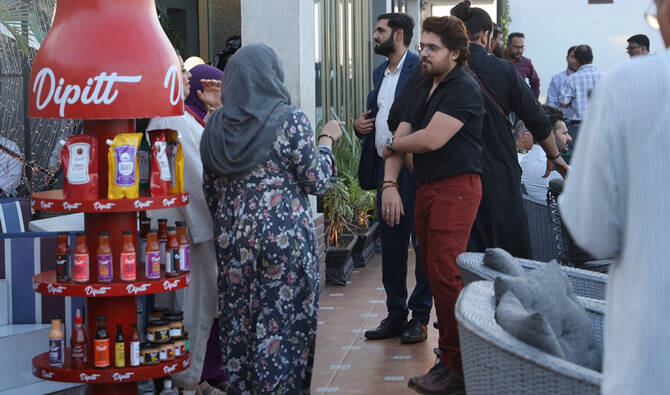

KARACHI: Pakistan’s ITT Foods, known for its sauces and confectionery under the Dipitt brand, is planning to set up a production hub in Saudi Arabia as part of its strategy to expand its footprint across the Gulf Cooperation Council (GCC), the company’s chief executive said, with negotiations also underway on a major collaboration in the UAE.
The Karachi-based food company is already a supplier to leading Saudi retailers and food chains. Now, it is eyeing local production facilities to cut logistics costs, localize key ingredients, and serve regional markets faster.
“Saudi Arabia has been a potential hub for us and more so with every day passing,” Syed Zeeshan Haider, CEO of ITT Foods, told Arab News in an interview.
He said the company was in advanced talks to take over a tomato manufacturing facility in Jeddah Industrial Zone 2 that was shut down in 2023 by a Saudi steel company diversifying into food production.
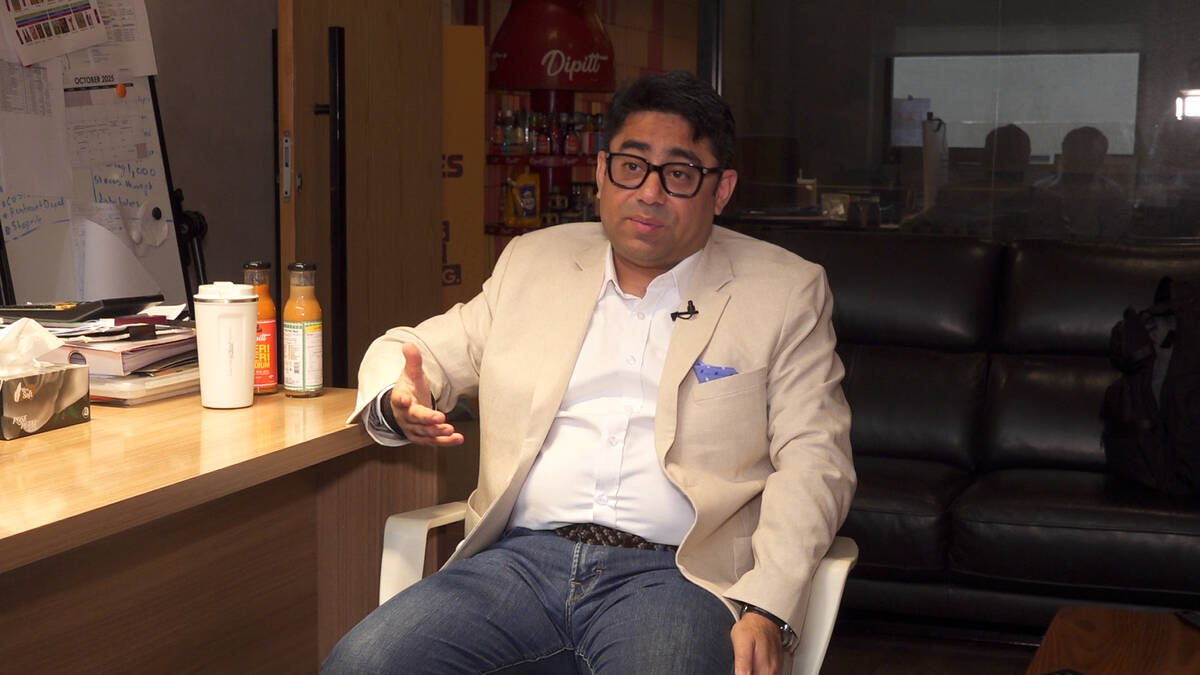
Zeeshan Haider, CEO of ITT Foods, speaks during an interview with Arab News in Karachi on September 16, 2025. (AN Photo)
“There is already a tomato manufacturing facility over there which was closed in 2023,” Haider said. “It’s a joint venture that we are exploring over there with the Saudi partners … I think by next year, by 2026, it will be done.”
ITT Foods has worked with Saudi retailer Hyper Panda since 2019 and also supplies sauces to Herfy, one of the Kingdom’s biggest food chains. The company is in talks with other large retailers to broaden its Saudi base.
“We have been working with one of the biggest Saudi retail chain which is called Hyper Panda. They have about 20 plus percent market share,” Haider said. “Similarly, Tamimi is there. Al Othaim is there. So, we are talking to them on various channels.”
Haider said ITT Foods was also engaging with e-commerce platforms in Saudi Arabia to boost retail penetration, while developing new products tailored to local demand.
Beyond Saudi Arabia, ITT Foods is negotiating a deal in the UAE with the country’s largest bottled water company.
“We are working with another partner in UAE which is one of the biggest water brand in UAE. I cannot disclose their name right now, but I am sure you guys will hear it in a few months’ time,” Haider said.
“They want to launch their sauces, so we will be the one manufacturing for them.”
In retail, ITT Foods supplies sauces to Nesto and other major UAE supermarket chains, while also expanding into Qatar and Lebanon.
GCC GROWTH STARTEGY
Haider said Dipitt operates in about 32 countries globally, with GCC markets accounting for some of its strongest revenues. Exports currently make up about 40 percent of the company’s sales.
The Dipitt market is already about $600 million, Haider said, referring to the GCC sauces segment. “That would be around 10 percent that we aim for in the next 5 years. That’s what our objective is.”
Haider said ITT Foods was also exploring joint ventures with Gulf partners to speed up market access, provide fresher products, and reduce delays in project launches.
“So, that’s one way that we are looking at right now because there is lot of markets that we are unable to export from Pakistan,” he said. “So, we are exploring those options also to increase our export markets and also to service them at a much faster pace.”
Looking ahead, Haider said ITT Foods aimed to turn Saudi Arabia into its GCC hub, while also expanding further into Europe and North America:
“I think our first step is to see on the production facility on how we can start moving our products to one of the GCC regions and start serving that region from that specific area and then see what we can do further. That’s pretty much the goal in the first 5 years or 10 years from now on.”
Haider said ITT Foods was actively innovating to match Gulf food trends, particularly in the sauces category.
“In GCC what we are doing now is that we are developing a specific range of Arabic sauces,” he said. “For example, dates. Date syrups are very much used in GCC. So, we are working on those. We are working on new flavors for the GCC market specifically.”
He added that rising tourism in Saudi Arabia, along with increased numbers of pilgrims for Hajj and Umrah, was also boosting demand while recent regulatory reforms in Saudi Arabia had also made it easier to do business.
“For example, Saudi Food and Drug Authority which is SFDA is all online. So, we can access it from anywhere,” he said.
He acknowledged that sugar taxes on ketchup, syrups and mayonnaise remained a challenge but said ITT Foods was adapting like other exporters.
“The food trend is also changing a lot in GCC with each day passing,” Haider said. “So, we are trying to work on those and innovate and bring those things.”


