

LONDON: Hundreds of actors, directors and other film professionals have signed a pledge vowing not to work with Israeli film institutions they say are “implicated in genocide and apartheid against the Palestinian people,” it was announced on Monday.
“As film-makers, actors, film industry workers, and institutions, we recognise the power of cinema to shape perceptions,” the pledge stated.
“In this urgent moment of crisis, where many of our governments are enabling the carnage in Gaza, we must do everything we can to address complicity in that unrelenting horror,” it added.
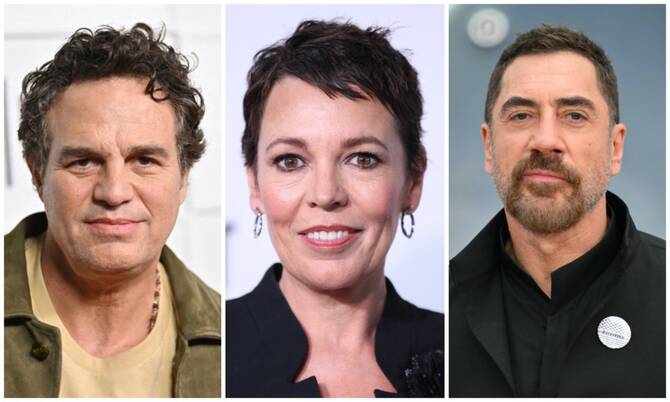
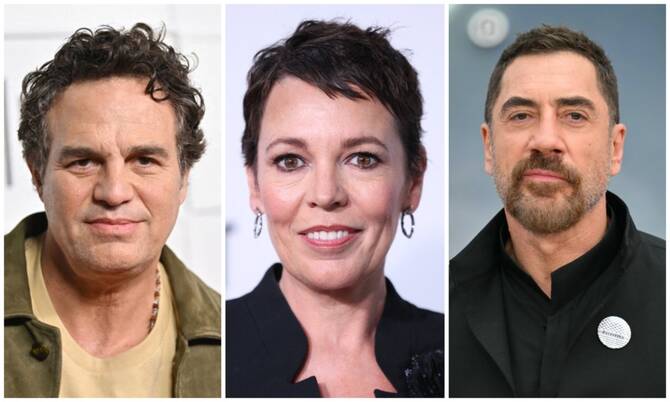
Signatories include actors Olivia Colman, Mark Ruffalo, Tilda Swinton, Javier Bardem, Ayo Edebiri, Riz Ahmed, Josh O’Connor, Cynthia Nixon, Julie Christie, Ilana Glazer, Rebecca Hall, Aimee Lou Wood and Debra Winger.
Film-makers Yorgos Lanthimos, Ava DuVernay, Asif Kapadia, Boots Riley and Joshua Oppenheimer also joined more than 1,200 signatories as of Sunday night.
The statement, published by Film Workers for Palestine, commits signatories not to collaborate with institutions deemed complicit — including festivals, broadcasters and production companies — citing examples such as “whitewashing or justifying genocide and apartheid, and/or partnering with the government committing them.”
It continued: “We answer the call of Palestinian film-makers, who have urged the international film industry to refuse silence, racism, and dehumanization, as well as to ‘do everything humanly possible’ to end complicity in their oppression.”
Screenwriter David Farr, one of the signatories, said: “As the descendant of Holocaust survivors, I am distressed and enraged by the actions of the Israeli state, which has for decades enforced an apartheid system on the Palestinian people whose land they have taken, and which is now perpetuating genocide and ethnic cleansing in Gaza. In this context I cannot support my work being published or performed in Israel. The cultural boycott was significant in South Africa. It will be significant this time and in my view should be supported by all artists of conscience.”
Commenting on her decision to sign, Absolutely Fabulous actress Julia Sawalha said: “Witnessing the annihilation of the Palestinians in Gaza by Israel over the past two years has splintered the depths of me, and the unrelenting silence to their suffering is unconscionable. As an actress and artist, I carry both the right and the duty to use my voice—to shatter the silence by taking action. This pledge is my way of joining a global community that refuses to be intimidated, that refuses to surrender to hopelessness, and that insists on saying loud and clear: the lives of Palestinians matter.”
An FAQ accompanying the pledge said: “Israel’s major film festivals (including but not limited to Jerusalem film festival, Haifa international film festival, Docaviv and TLVFest) continue to partner with the Israeli government while it carries out what leading experts have defined as genocide against Palestinians in Gaza.”
It stressed that “the call is for film workers to refuse to work with Israeli institutions that are complicit in Israel’s human rights abuses against the Palestinian people. This refusal takes aim at institutional complicity, not identity.”
The campaign, inspired by the cultural boycott of apartheid South Africa, does not explicitly reference the Boycott, Divestment, Sanctions movement but is among the most prominent cultural boycott efforts announced since Israel’s war in Gaza began, The Guardian reported.
The pledge comes just days after “The Voice of Hind Rajab,” a film about a 5-year-old girl killed by Israeli forces in Gaza, received a 23-minute standing ovation at its Venice film festival premiere, with Brad Pitt, Jonathan Glazer, Joaquin Phoenix, Rooney Mara and Alfonso Cuaron among its executive producers.


